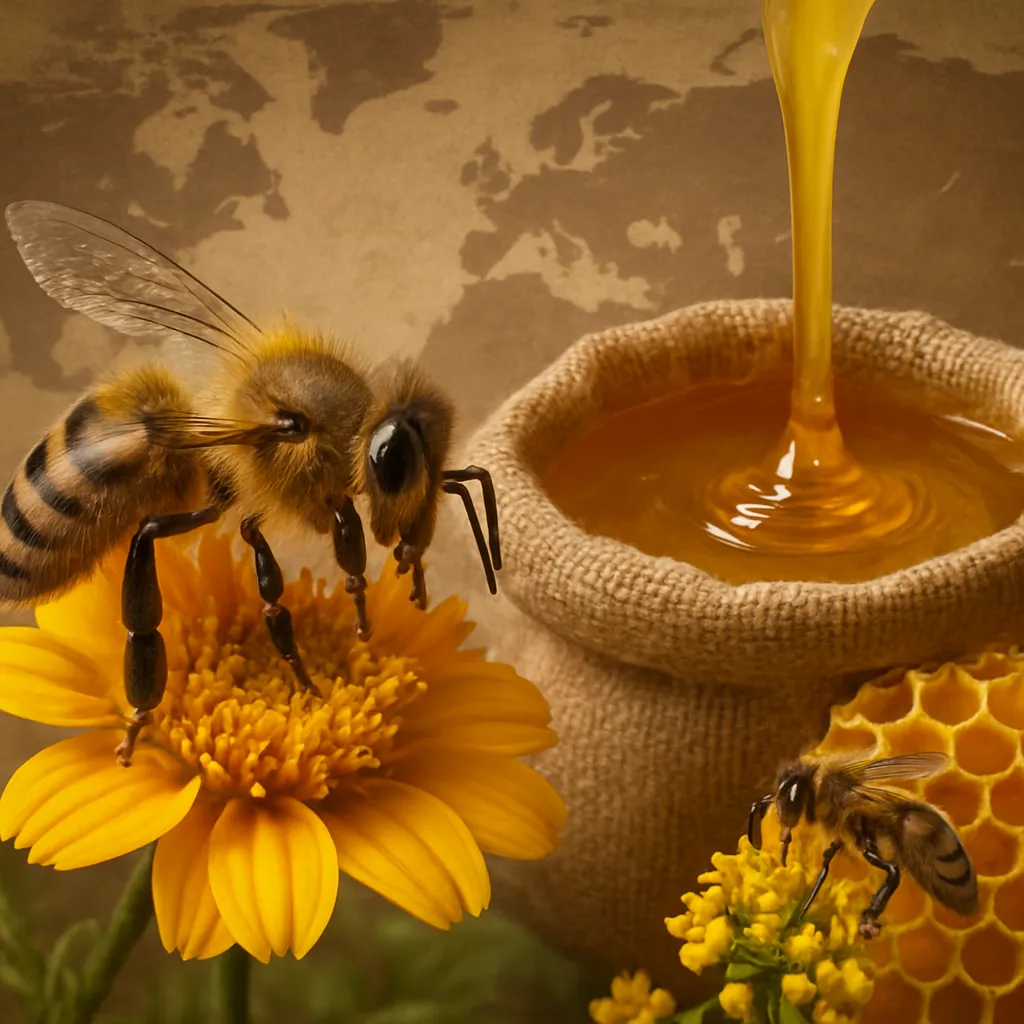
The global honey trade has evolved into a complex network of producers, processors, and consumers, all driven by an increasing appreciation for natural sweeteners and ecosystem services. While the sweetness of honey often captures consumer attention, the economic value of pollination and the interdependence between beekeepers and agriculture underpin a broader story of growth and challenge. As markets expand and regulatory frameworks shift, understanding the forces at play in the honey sector is essential for stakeholders across the supply chain.
Market Dynamics in the Global Honey Sector
Over the past decade, the demand for honey has surged, fueled by health-conscious consumers seeking natural alternatives to refined sugar. Leading importers include the European Union, the United States, and Japan, each with unique quality standards and labeling requirements. Meanwhile, major exporters such as China, Argentina, and Ukraine navigate competitive pressures by focusing on volume and cost efficiency. This tug-of-war between quantity and quality has shaped pricing dynamics on international commodity markets.
Price volatility remains a key concern. Climatic events—ranging from droughts to unseasonal storms—can decimate nectar flows, constraining supply. In regions where beekeepers practice apiculture at small scale, a poor harvest translates into significant income loss. Conversely, large‐scale operations investing in hive relocation and advanced feeding regimes may stabilize yields but raise questions about long-term colony health.
Emerging Trends and Consumer Preferences
- Growth of premium and single-origin honey labels, emphasizing terroir and floral sources
- Rising interest in raw, unfiltered products to guarantee natural enzyme profiles
- Digital traceability solutions, enabling consumers to verify origin and production practices via QR codes
- Expansion of organic certification programs, reflecting consumer demand for sustainability
These trends highlight how branding and quality assurance can command price premiums. Yet, they also expose smaller producers to certification costs and technical barriers, potentially consolidating market power among larger entities.
Valuing Pollination Services
Beyond honey production, pollination services delivered by managed honeybee colonies represent a critical economic input for global agriculture. Crops such as almonds, apples, blueberries, and cucurbits depend heavily on insect pollinators. Rental fees for hive placement range from tens to hundreds of dollars per colony, depending on crop type and regional supply. In some regions, demand outstrips hive availability, driving migrant beekeeper operations across borders.
Estimating the monetary worth of pollination remains challenging. Ecological benefits—like enhancing biodiversity and supporting wild pollinator populations—often go unpriced. Economists use replacement cost methods to approximate what it would cost to manually pollinate crops in the absence of bees, arriving at figures in the tens of billions of dollars annually. These valuations underscore the hidden subsidy that apicultural services provide to mainstream agriculture.
Chain of Custody and Risk Management
- Biosecurity protocols to prevent spread of pests such as varroa mites and American foulbrood
- Insurance schemes to mitigate losses from colony collapse disorder and extreme weather
- Contracts between growers and beekeepers specifying hive strength, duration, and relocation responsibilities
- Regulatory compliance for transborder movement, including quarantine and health certification
Effective risk management protects both parties: farmers secure reliable pollination services, while beekeepers gain predictable revenue sources beyond honey sales.
Sustainability and Environmental Challenges
Apiculture sits at the intersection of agricultural intensification and environmental stewardship. While bees enhance crop yields, monoculture expansion can undermine forage diversity, exposing colonies to nutritional stress. Additionally, pesticide drift from adjacent fields poses a persistent threat to hive health. Achieving sustainability in this context demands integrated landscape management and policies that encourage pollinator‐friendly farming practices.
Programs promoting the establishment of wildflower corridors and fallow field margins aim to bolster nectar and pollen availability. Such measures benefit both wild pollinators and managed honeybees, creating more stable yields over time. Furthermore, research into native bee species expansion seeks to diversify the pollination portfolio, reducing reliance on a single species.
Innovation in Beekeeping Practices
- Development of ecology-based hive designs that improve ventilation and natural defense mechanisms
- Selective breeding for disease resistance and foraging efficiency
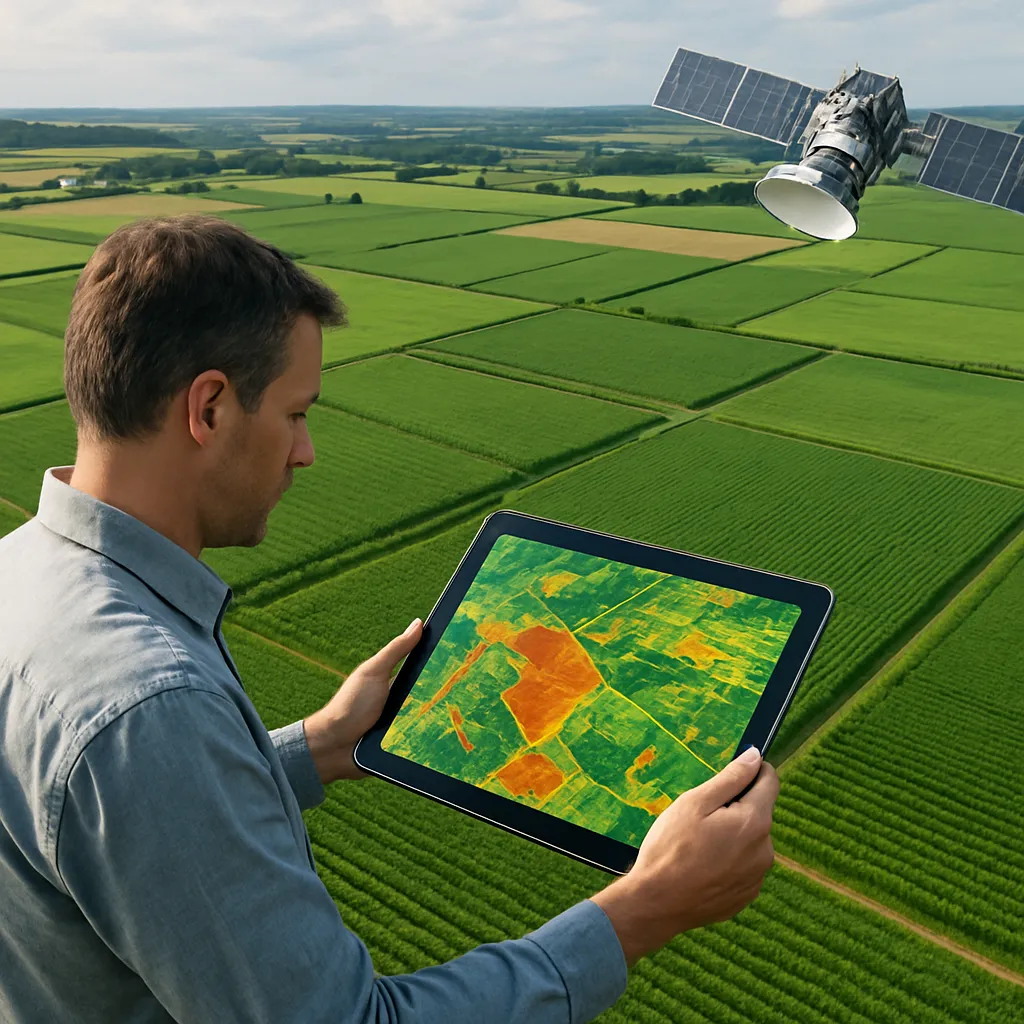
- Use of remote sensing and AI for real-time hive monitoring, predicting swarming events and disease outbreaks
- Crowdsourced data platforms allowing beekeepers to share local disease incidence and best practices
Investments in research and extension services ensure that beekeepers—especially in developing regions—gain access to cutting‐edge tools. This fosters resilience in the face of climate change and emerging pathogens.
Future Outlook for the Honey Economy
Looking ahead, the intersection of technological advancement and changing consumer values is poised to reshape the global honey and pollination market. Drone-assisted hive management and gene editing for disease resilience offer promising avenues, though ethical and regulatory questions will determine their adoption speed. Meanwhile, younger consumers continue to prioritize transparency, driving demand for blockchain‐backed supply chain records and certifications linked to carbon footprint reductions.
Emerging markets in Asia, Africa, and Latin America show potential for rapid production growth. Yet, success hinges on balancing industrial scale with preservation of local ecosystems. Collaborative initiatives—uniting governments, NGOs, and private sectors—are essential to fund training, expand research, and strengthen market access for smallholder beekeepers.
Ultimately, the fusion of apicultural innovation, robust market frameworks, and ecological stewardship will dictate the resilience of the global market for honey and pollination services. Stakeholders that embrace a holistic perspective stand to benefit from sustained profitability while safeguarding the environmental foundations of their trade.