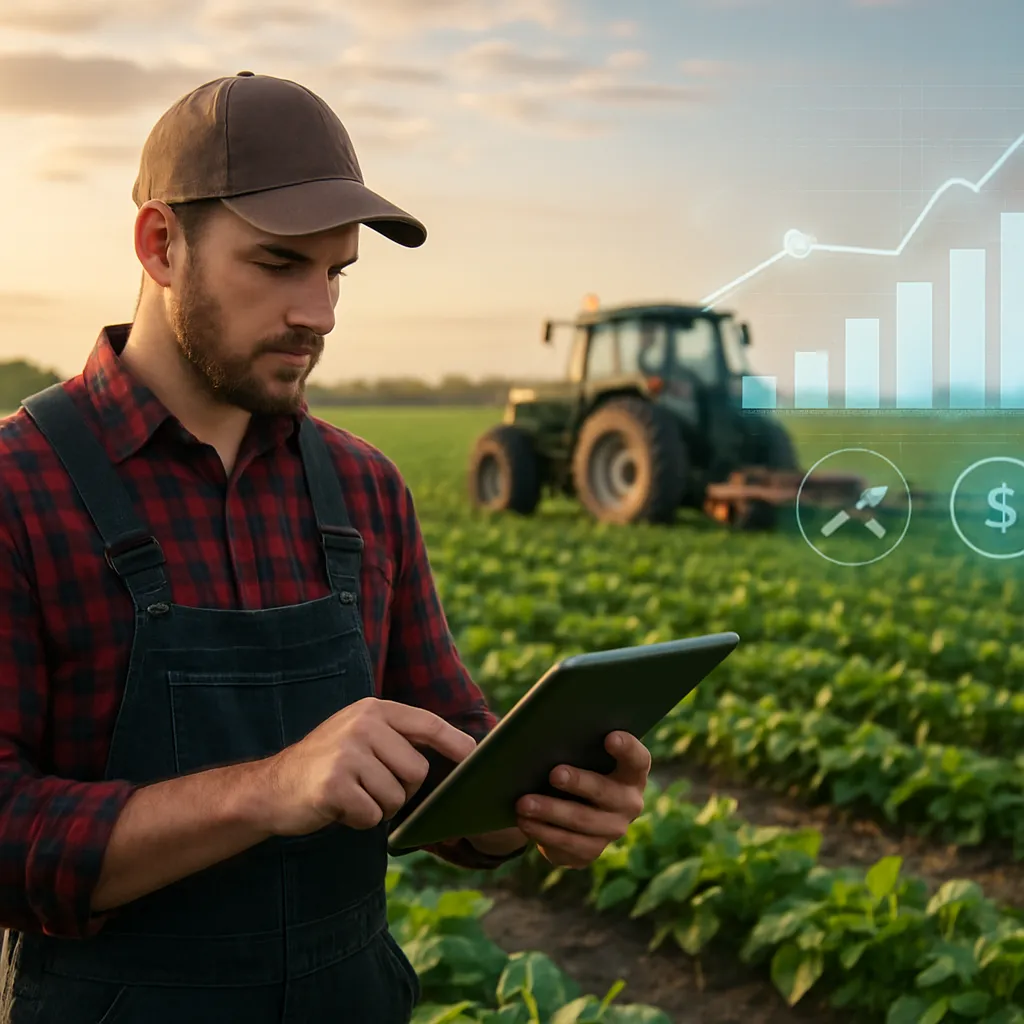
The global agricultural sector stands at the intersection of evolving market dynamics, technological breakthroughs, and environmental pressures. As the demand for food, feed, fiber, and bioenergy grows, stakeholders from farmers to policymakers seek pathways to enhance productivity, drive innovation, and ensure long-term sustainability. This article explores the transformative forces reshaping the worldwide farm economy, examines the key challenges in supply chains, and outlines future directions to foster equitable growth across diverse agricultural landscapes.
Driving Forces Behind Rising Productivity
Technological Breakthroughs and Digitalization
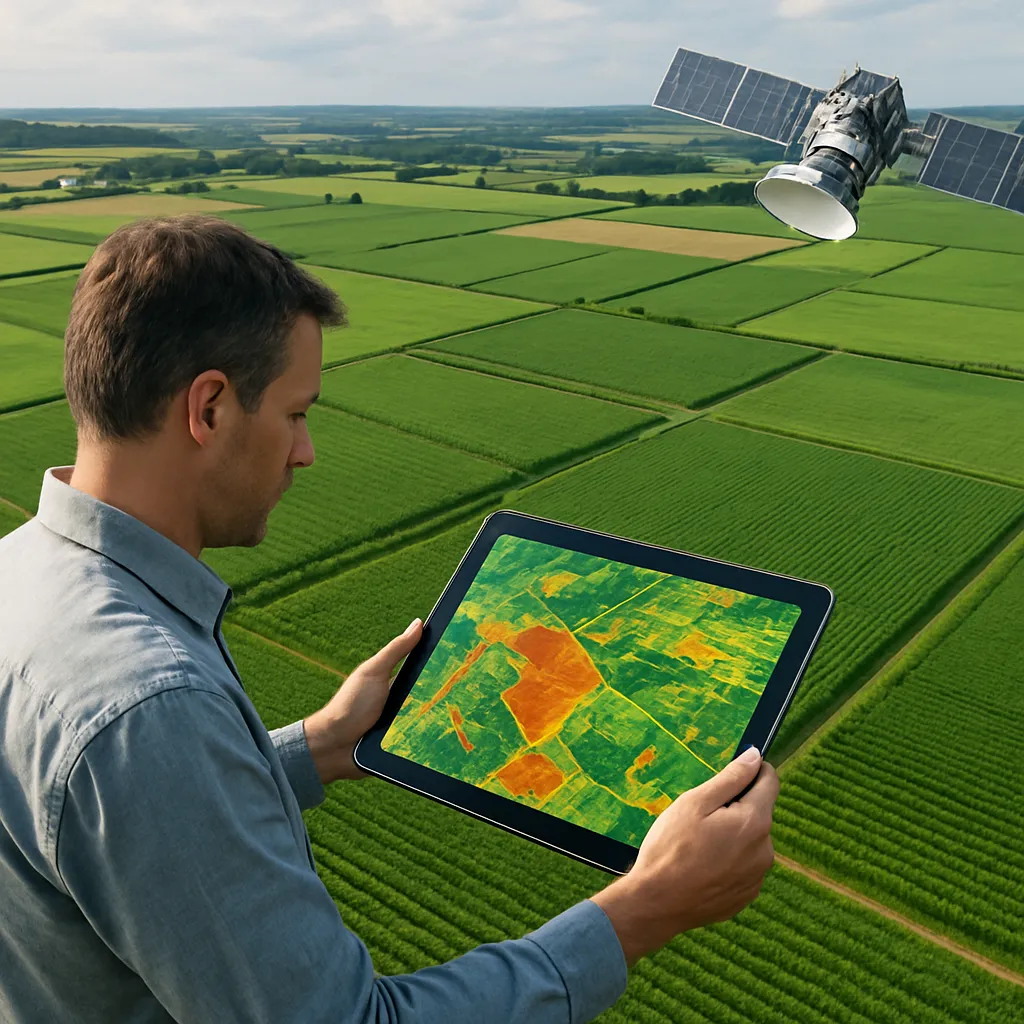
Modern farming increasingly leverages digital tools, data analytics, and automation to optimize decisions at each production stage. Precision agriculture technologies such as GPS-guided machinery, variable-rate application systems, and drone-based imaging enable farmers to apply water, fertilizers, and pesticides precisely where needed. This targeted approach lowers input costs, reduces environmental footprints, and boosts overall yield. The integration of IoT sensors in soil and crop monitoring provides real-time insights, facilitating proactive management of plant health and resource allocation.
- Automated machinery equipped with AI for real-time adjustments
- Remote sensing platforms delivering high-resolution field data
- Fleet-management software enhancing operational coordination
Advances in Crop Genetics and Biotechnology
Genetic improvements remain at the forefront of agricultural innovation. Breakthroughs in genome editing and marker-assisted selection accelerate the development of crop varieties with enhanced climate resilience, pest resistance, and nutrient-use efficiency. Biotech crops fortified against drought, salinity, and emerging diseases have demonstrated yield advantages in both developed and developing regions. Biofortification efforts also address nutrient deficiencies, delivering staple crops enriched with essential vitamins and minerals to vulnerable populations.
Challenges in Global Agricultural Markets
Climate Variability and Environmental Stressors
Shifts in weather patterns pose substantial risks to production stability. Unpredictable rainfall, increased frequency of extreme weather events, and rising temperatures challenge farmers to adapt rapidly. These stressors strain soil health, exacerbate pest outbreaks, and undermine the effectiveness of existing agronomic practices. Tackling these obstacles requires coordinated research on sustainable land management, development of early-warning systems, and dissemination of adaptive cropping strategies tailored to local conditions.
Supply Chain Complexities and Trade Barriers
Globalized trade networks enable efficient allocation of agricultural commodities but remain susceptible to disruptions. Logistics bottlenecks, transportation costs, and fluctuating tariffs can erode market access and depress farmgate returns. Smallholder farmers often face the greatest hurdles in accessing export markets due to limited infrastructure and stringent quality standards. Strengthening supply chains involves enhancing storage facilities, simplifying certification processes, and promoting transparent contracts between producers, processors, and distributors.
- Investment in cold-chain infrastructure to reduce post-harvest losses
- Adoption of blockchain for traceability and quality assurance
- Regional trade agreements to harmonize phytosanitary measures
Case Studies of Innovation Adoption
Smart Farming Initiatives in Europe
Several European nations have piloted region-wide precision schemes that integrate satellite imagery, in-field sensors, and advisory services. By combining these inputs, farmers achieve up to 20% reductions in fertilizer use and significant gains in yield consistency. Public-private partnerships bankroll training programs, enabling small and medium-sized farms to adopt digital platforms previously accessible only to large-scale operations.
Agroecological Practices in Latin America
In parts of Brazil and Mexico, communities are implementing agroforestry and intercropping systems that enhance biodiversity while maintaining productivity. By integrating nitrogen-fixing trees and cover crops, these practices build soil organic matter and curtail erosion. The model showcases how sustainability and profitability can align when local knowledge merges with scientific research.
Future Directions and Policy Implications
Increase in R&D Investments
Boosting public and private funding for agricultural research and development is critical to sustaining long-term growth. Priorities include gene-editing platforms, digital extension services, and climate-smart technologies capable of thriving under future environmental scenarios. Collaborative frameworks that unite universities, agritech startups, and multinational firms can expedite the transfer of innovations from lab to field.
Supporting Smallholder Farmers and Inclusive Growth
More than 500 million smallholder farms contribute significantly to global food supply, yet many struggle with access to capital, technology, and markets. Microfinance schemes, mobile-based advisory apps, and farmer cooperatives can close these gaps. Governments and non-profit organizations play a pivotal role in ensuring equitable access to advanced inputs such as improved seeds, fertilizer, and insurance products that mitigate production risks.
Enhancing Regulatory Frameworks for Biotechnology
Clear, science-based regulations can accelerate the adoption of biotechnology solutions that reduce chemical pesticide reliance and improve resource-use efficiency. Policymakers must balance risk assessment with innovation incentives, fostering an environment where novel traits undergo rigorous safety checks but are not hampered by protracted approval processes.
Transforming Value Chains with Digital Platforms
Blockchain for Traceability and Trust
Emerging digital ledger technologies offer transparent tracking of commodities from farm gate to consumer. By securing transaction records, blockchain reduces the risks of fraud, enhances food safety compliance, and allows consumers to verify product origins. Early adopters in coffee and cocoa markets have documented price premiums for traceable, ethically sourced goods.
E-Commerce and Direct-to-Consumer Models
Internet marketplaces are reshaping traditional distribution channels. Farmers can now reach urban consumers directly, bypassing intermediaries and capturing greater profit margins. These platforms often integrate logistics partners, payment gateways, and subscription services for regular deliveries. Successful implementations hinge on last-mile delivery networks and digital literacy among rural producers.
Building Resilience in the Face of Global Change
Water-Use Efficiency and Irrigation Innovation
Given the finite nature of freshwater resources, improving irrigation management stands as a priority for many regions. Technologies such as soil moisture sensors, solar-powered pumps, and closed-loop greenhouse systems enable precise water delivery and minimize waste. Coupled with drought-tolerant crop varieties, these solutions support sustained productivity even under pressure.
Fostering Collaborative Extension Networks
Knowledge dissemination remains vital to scale proven practices. Digital extension platforms that combine multimedia content, peer-to-peer forums, and real-time expert chats empower farmers to troubleshoot challenges and adopt new methods faster. Partnerships between academia, NGOs, and private advisers accelerate the diffusion of breakthroughs and ensure culturally appropriate adaptation.
Conclusion
Global agriculture stands poised on the threshold of a transformative era defined by disruptive technologies, shifting trade landscapes, and mounting environmental pressures. To unlock the sector’s full potential, stakeholders must embrace integrated approaches that merge innovation with equity, resilience, and ecological stewardship. By aligning policy incentives, research priorities, and market infrastructure, the world can nourish a growing population while safeguarding the planet for future generations.