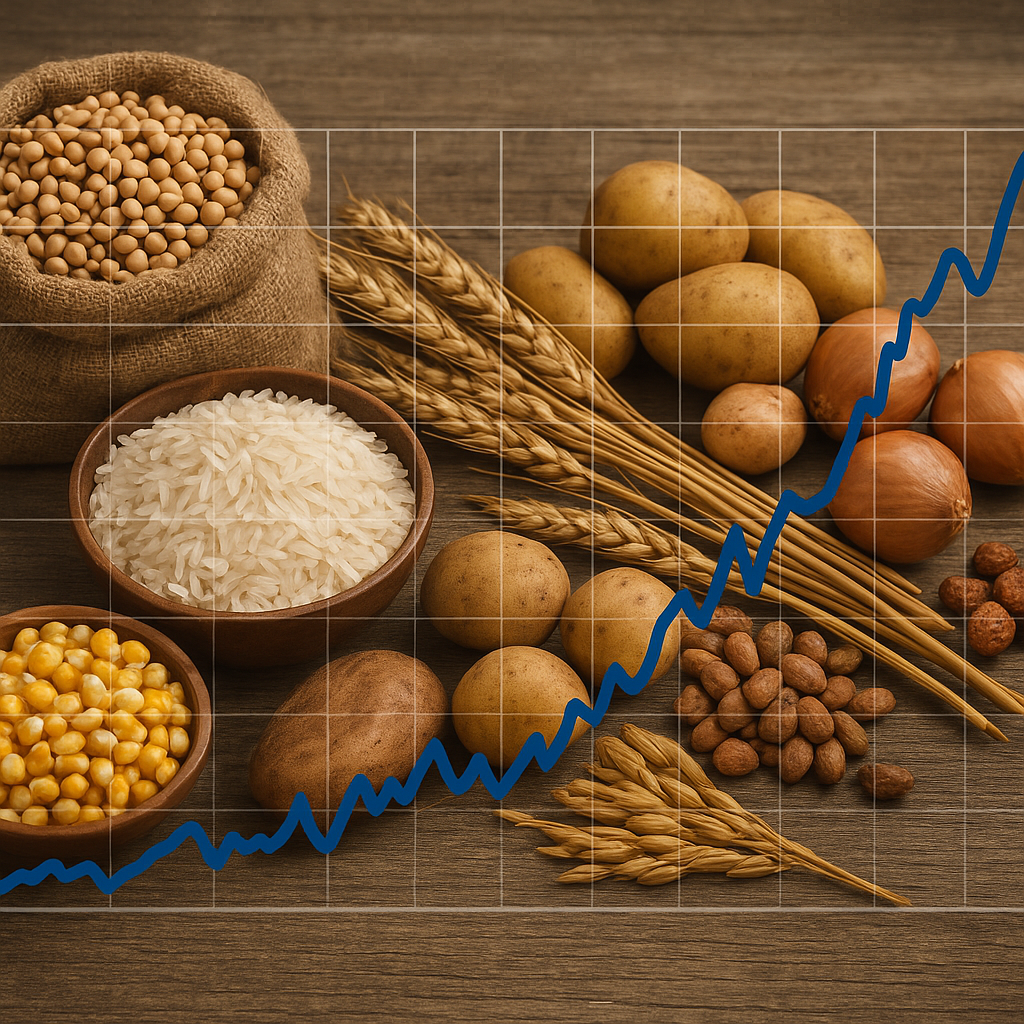
The dynamics of the global food market are closely tracked through a variety of analytical tools, among which the Global Food Commodity Index stands out. This benchmark captures price shifts across major agricultural commodities, reflecting changes in supply and demand fundamentals, geopolitical influences, and macroeconomic trends such as inflation. Understanding these fluctuations is essential for producers, policy makers, and investors seeking to navigate an increasingly interconnected system that demands sustainability, diversification, and resilience.
Global Evolution of the Food Commodity Index
The food commodity index has evolved significantly since its inception. Initially designed to offer a snapshot of staple grain prices, it now encapsulates a diverse array of products, from oilseeds and dairy to sugar and meat. Historical data reveals three major phases:
- 1970–1990: Post-war recovery and market stabilization.
- 1990–2010: Liberalization, technological advances, and rising demand in emerging economies.
- 2010–present: Heightened volatility driven by extreme weather, supply chain disruptions, and financialization of agricultural index products.
During the early phase, government interventions and trade barriers kept price movements relatively muted. The second phase saw increased global trade, with developing nations like China and India becoming pivotal consumers. The most recent decade, however, has introduced unprecedented price swings as climate events and speculative capital flows exert greater influence.
Key Drivers Shaping Price Trends
1. Climatic Variability and Extreme Events
Weather patterns, including droughts, floods, and unexpected frosts, can devastate crop yields within days. These events contribute to spikes in the index by constraining global supply and forcing abrupt shifts in trade flows. For instance, a severe drought in a top wheat-exporting region can propel wheat futures upward, triggering ripples across related markets such as barley and corn.
2. Geopolitical Tensions and Trade Policies
Export restrictions, tariffs, and embargoes can dramatically alter export volumes and redirect trade routes. The introduction of export bans during crises is often aimed at stabilizing domestic prices, but it exacerbates shortages abroad, amplifying index volatility. Recent trade disputes have underscored how quickly protective measures can impact global trade balances.
3. Currency Fluctuations and Financial Markets
A stronger US dollar typically suppresses commodity prices in global markets, since the majority of staples are priced in dollars. Conversely, currency debasement can fuel speculative inflows into soft commodity futures, heightening price gyrations. As financial institutions allocate larger portfolios to agricultural commodities, the index has become more sensitive to portfolio rebalancing and hedge fund activity.
4. Demand Shifts and Dietary Transitions
Rising incomes in emerging economies drive increased consumption of meat and dairy, accelerating demand for feed grains such as soy and maize. Urbanization, dietary diversification, and growing emphasis on processed foods further intensify pressure on agricultural supply chains. These shifts elevate baseline prices and contribute to structural changes in the index trajectory.
Impacts on Stakeholders Across the Value Chain
Volatility in the Global Food Commodity Index has far-reaching consequences for different market participants:
- Farmers face income uncertainty and must weigh the costs of storage, inputs, and insurance against potential price windfalls.
- Processors and food manufacturers grapple with fluctuating raw material expenses, prompting them to adjust product strategies or shift sourcing regions.
- Governments must balance domestic food security goals with international commitments, occasionally resorting to subsidies or buffer stocks.
- Consumers in importing nations may shoulder higher retail prices or encounter shortages when index peaks coincide with supply disruptions.
In regions where staple foods constitute a large share of household expenditure, spikes in the index can trigger socio-economic stress, leading to protests or calls for policy reform. Meanwhile, global relief agencies monitor index levels to time interventions and optimize resource allocation.
Innovations and Strategies for Mitigating Risk
Market participants increasingly deploy data analytics, remote sensing, and blockchain to enhance transparency and reduce uncertainty. Key strategies include:
-
Crop Diversification
Planting a variety of species or cultivars to spread risk and improve resilience against pests and climate shocks.
-
Hedging Instruments
Using futures, options, and swaps to lock in prices and cushion against unfavorable market swings.
-
Digital Supply Chain Platforms
Leveraging blockchain and IoT sensors to track provenance, optimize logistics, and reduce transaction costs.
-
Climate-Smart Agriculture
Adopting conservation practices, precision irrigation, and drought-resistant varieties to stabilize yields and emissions.
Future Outlook and Emerging Trends
As global demographics continue to shift, demand for high-value foods and plant-based alternatives is on the rise. The push toward net-zero agriculture, coupled with investment in vertical farming and lab-grown proteins, could reshape commodity baskets within the index. Meanwhile, advances in AI-driven forecasting may offer early warnings of price surges, allowing stakeholders to adapt before markets overreact.
Ultimately, the Global Food Commodity Index will remain a barometer for global economic health, guiding decisions across public and private sectors. Navigating its complexities demands a holistic approach—one that marries technological innovation with robust policy frameworks to ensure equitable access to nutrition and long-term sustainability.