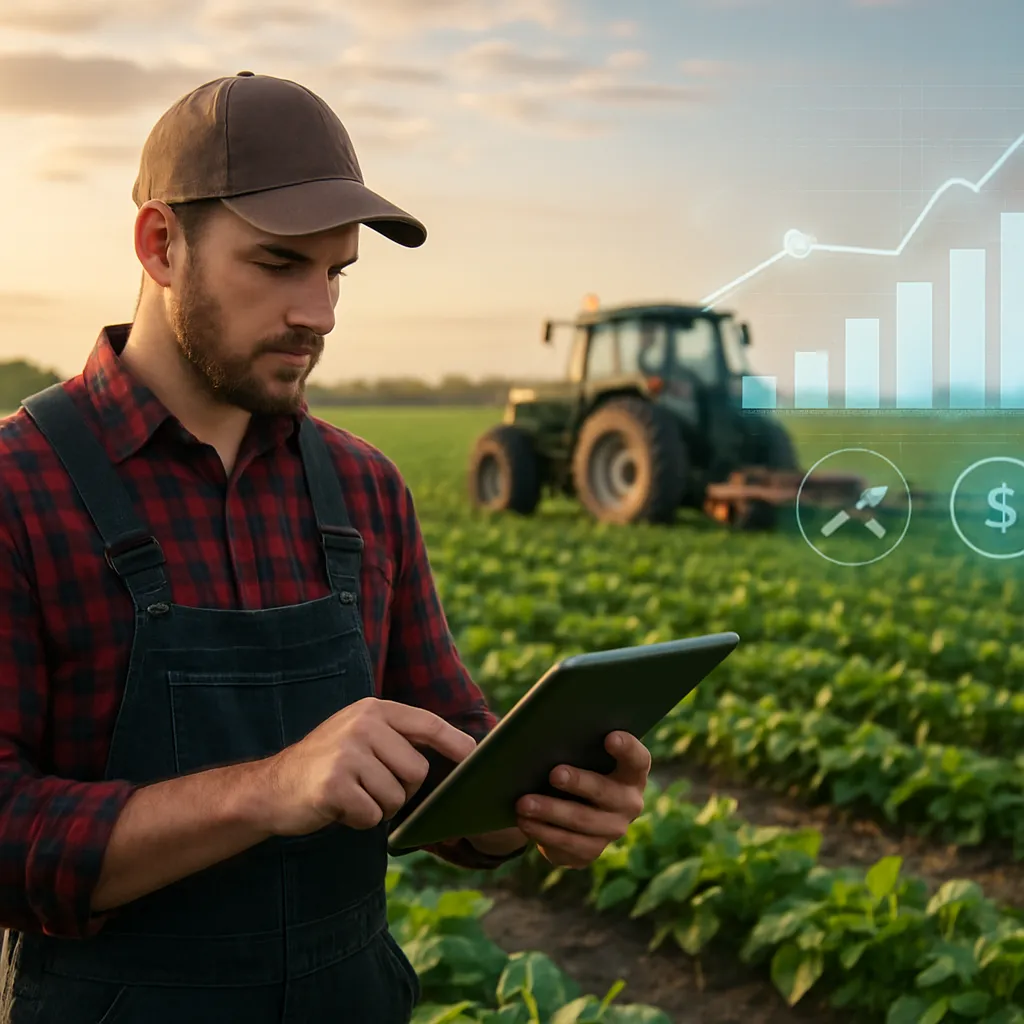
In the rapidly evolving world of global agriculture, the intersection of technology and market dynamics has become increasingly critical. As producers, traders, and investors seek to stay ahead, the adoption of AI-driven tools is transforming traditional methods. By leveraging advanced algorithms and vast data sources, stakeholders can now access unprecedented levels of insight into crop yields, price fluctuations, and supply chain bottlenecks. This article explores how integrating commodity trading with artificial intelligence not only optimizes decision-making but also mitigates risk in an unpredictable sector.
Integration of AI in Agricultural Forecasting
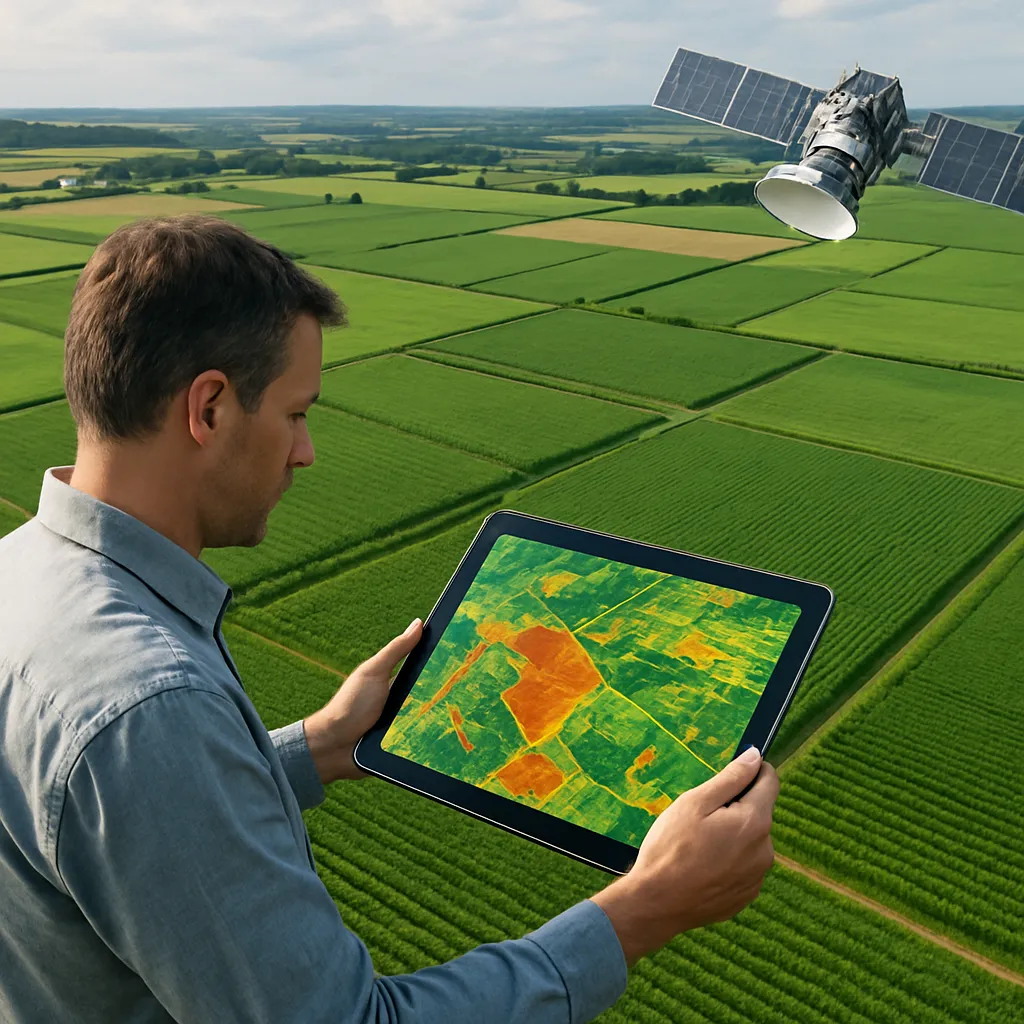
At the core of modern agricultural forecasting lies the capability to process and analyze diverse data streams. From satellite imagery to weather station readings, the volume and variety of information available today are staggering. Through machine learning models, these datasets are synthesized to generate accurate projections of crop health and yields. Unlike conventional statistical methods, AI systems excel at identifying complex, non-linear relationships among variables.
Data Sources and Collection
- Remote sensing data from satellites and drones
- Historical price and demand records
- Soil moisture and nutrient level sensors
- Climate patterns and weather forecasts
- Transportation and logistics logs
By unifying these diverse streams through robust data integration frameworks, AI models build a comprehensive picture of agricultural conditions. For example, combining soil nutrient profiles with real-time weather forecasts enables precise estimations of crop stress levels.
Algorithmic Forecasting Models
With the assembled data, predictive algorithms such as neural networks, decision trees, and ensemble methods are employed to forecast future outcomes. These models are trained on historical examples and continuously refined through new data. Key benefits include:
- Enhanced yield predictions under varying climatic scenarios
- Early detection of pest infestations or disease outbreaks
- Optimization of planting schedules and resource allocation
- Accurate estimations of harvest quality and quantity
Such detailed forecasts empower farmers to tailor interventions, from irrigation adjustments to fertilization strategies, thereby driving productivity gains and reducing waste.
Enhancing Market Efficiency Through Predictive Analytics
In the realm of global commodity markets, slight changes in supply expectations can trigger significant price movements. Traders and risk managers increasingly rely on predictive analytics to anticipate market shifts and capitalize on opportunities. By integrating AI forecasts with trading platforms, they gain a strategic edge that surpasses traditional chart-based analyses.
Real-Time Insights and Automated Trading
Modern trading systems can ingest AI-generated forecasts and combine them with live market data. This fusion yields real-time insights on supply-demand imbalances, weather-related disruptions, and geopolitical events. Automated algorithms can execute trades based on pre-defined thresholds, ensuring swift responses to emerging trends.
- Signal generation for buy and sell orders
- Dynamic hedging strategies to minimize exposure
- Portfolio diversification based on sector correlations
- Liquidity assessments through order book analysis
By automating these processes, firms reduce human latency and emotional biases, which often undermine trading performance. Consequently, AI-enhanced workflows lead to more consistent returns and improved market stability.
Optimizing the Supply Chain
An optimized supply chain is vital to ensuring that harvested crops reach end users efficiently. AI-driven forecasting contributes to better logistics planning by predicting potential delays, demand spikes, and storage requirements. Key applications include:
- Route optimization for transportation fleets
- Inventory management for storage facilities
- Demand forecasting to align production with consumption
- Supplier risk assessment based on historical performance
Ultimately, these capabilities minimize spoilage, reduce costs, and enhance the reliability of global food distribution networks.
Challenges and Future Outlook for AI-Driven Commodity Trading
Despite the transformative potential of artificial intelligence, several hurdles remain. Addressing these challenges is essential to fully realize the benefits of AI in agricultural markets.
Data Quality and Standardization
One of the primary obstacles lies in the heterogeneity and reliability of agricultural data. Variables such as sensor calibration differences, inconsistent reporting standards, and missing information can undermine model accuracy. Establishing industry-wide protocols for data collection and validation is crucial. Collaborative efforts among governments, research institutions, and private enterprises can foster greater transparency and data integrity.
Risk Management and Regulatory Compliance
As algorithmic trading becomes more pervasive, regulatory bodies are increasingly vigilant about systemic risks. Ensuring that AI systems adhere to compliance requirements involves:
- Audit trails for decision-making processes
- Stress testing under extreme market conditions
- Transparency in model parameters and data sources
- Ethical guidelines for automation and algorithmic interventions
Robust risk management frameworks not only safeguard against market disruptions but also build trust among stakeholders.
Advancements in Climate Modeling
The agricultural sector is uniquely vulnerable to climate variability. Innovations in climate modeling can enhance long-term forecasting, enabling proactive adaptation strategies. For instance, coupling crop growth simulations with greenhouse gas emission scenarios provides insights into sustainable agriculture practices. Integrating these models with trading systems helps investors evaluate the long-term viability of different commodities.
The Role of Precision Agriculture
Precision agriculture technologies, which include GPS-guided machinery, IoT sensors, and variable-rate application tools, generate granular data on field conditions. When fed into AI models, this data refines forecasts at a micro level, allowing for field-specific trading strategies. Such granularity transforms how market participants assess supply at both local and global scales, further blurring the lines between farm management and commodity trading.
Looking Ahead
The synergy between artificial intelligence and agricultural markets is poised to reshape the landscape of commodity trading. As technologies mature, enhanced collaboration among stakeholders will be essential. Initiatives that promote open data sharing, cross-disciplinary research, and investment in digital infrastructure will accelerate innovation. By overcoming current limitations, the industry can unlock sustainable growth paths, ensuring food security and economic stability for a growing global population.