The intricate interplay between food security and global trade has become a focal point for policymakers, industry stakeholders, and advocacy groups. As nations strive to ensure that their populations have reliable access to adequate nourishment, they often deploy a variety of regulatory tools and incentives that reverberate through the international marketplace. Understanding how these measures affect cross-border exchanges of agricultural commodities, investment flows, and consumer prices is essential for crafting balanced strategies that promote both domestic welfare and global cooperation.
Policy Frameworks and Trade Regulations
Public authorities employ a wide array of legal instruments to protect domestic farmers and consumers. From import quotas to export bans, these regulations can alter the landscape of international competition:
- Import Controls: Restrictions on foreign produce can shelter local producers from price undercutting, though they may invite retaliatory measures.
- Export Licensing: Governments sometimes require licenses for outgoing shipments to manage scarce resources or stabilize domestic markets.
- Non-Tariff Barriers: Sanitary and phytosanitary standards, labeling requirements, and technical measures can effectively limit trade under the guise of public health precautions.
The Role of Tariffs and Protection
Imposing tariffs on agricultural imports is one of the most visible policy tools. By increasing the cost of foreign goods, tariffs can boost local profitability but may also lead to higher consumer prices. This tension forces policymakers to weigh short-term social benefits against long-term competitive disadvantages.
Boosting Domestic Production
Initiatives aimed at enhancing agricultural productivity—such as grants for modern irrigation, research funding for high-yield seeds, and support for mechanization—serve as indirect trade measures. When a country raises its output, it can alter world supply dynamics, potentially driving down global prices and affecting other exporters.
Economic Impacts of Food Security Measures
Policies designed to safeguard national food reserves ripple through regional and global markets. Price interventions, strategic stockpiling, and targeted purchases can disrupt established supply-demand equilibriums.
- Price Floors and Ceilings: Minimum support prices help producers cover production costs but can inflate budgets. Price caps aimed at protecting consumers may discourage farmers from planting high-value crops.
- Public Procurement Programs: Government-sponsored purchases for school feeding, military rations, or emergency relief inject demand into local markets, influencing export availability.
Impact of Subsidies
Subsidies funnel public funds to specific segments of the agricultural sector, reducing production risk and encouraging expanded cultivation. While such transfers can stabilize rural incomes, they distort comparative advantage and can spark international disputes under World Trade Organization rules.
Managing Price Volatility
In an era of rapid market fluctuations, price volatility poses a major concern. Governments may establish stabilization funds or buffer stocks to cushion farmers against severe price drops and consumers against sudden spikes. These measures, however, must be carefully calibrated to avoid long-term market dependency.
Environmental and Sustainability Challenges
As the climate crisis intensifies, the nexus between environmental stewardship and agricultural trade becomes more pronounced. Policymakers face mounting pressure to integrate ecological considerations into food security agendas.
Climate-Smart Agriculture
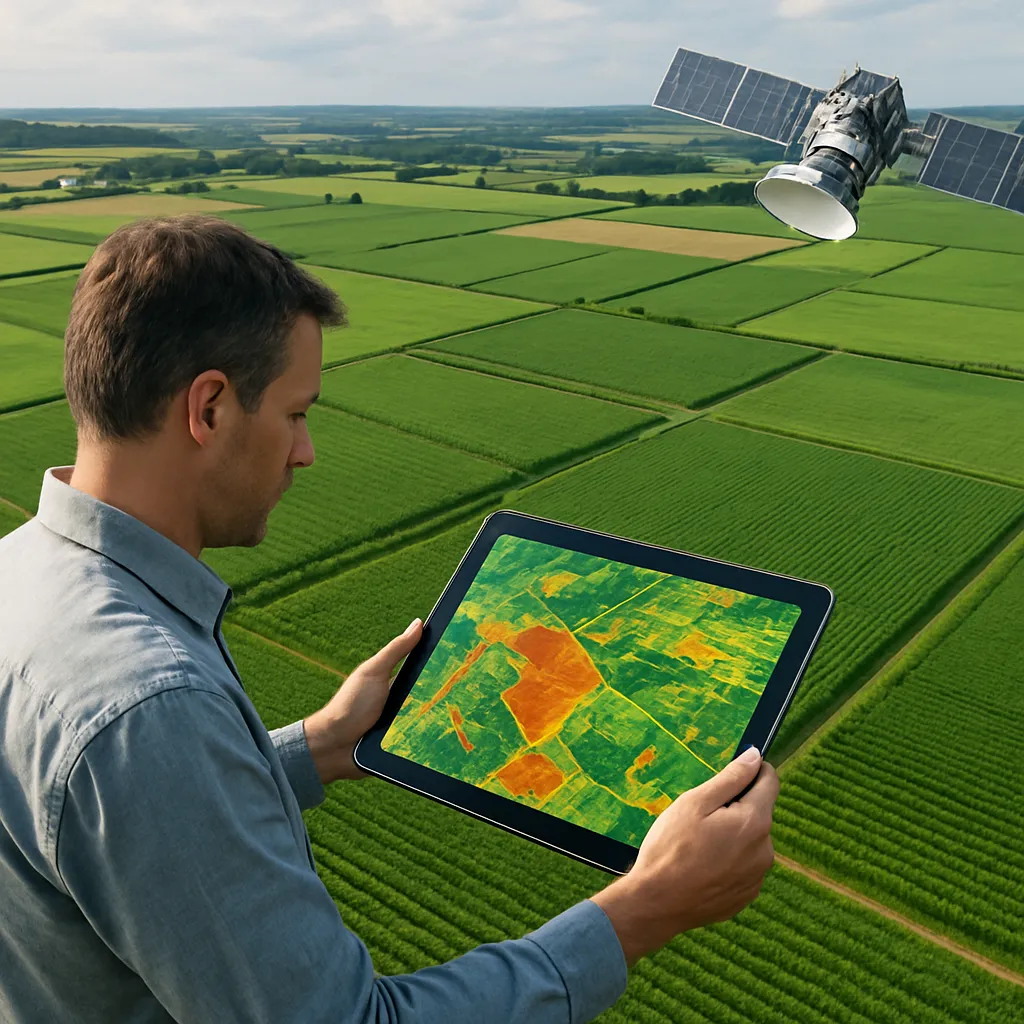
Initiatives promoting sustainability encourage practices such as precision farming, agroforestry, and integrated pest management. These methods aim to minimize greenhouse gas emissions, reduce chemical runoff, and preserve biodiversity, all while maintaining export quotas.
Adapting to Climate Change
Rising temperatures, unpredictable rainfall, and extreme weather events linked to climate change compel governments to revise trade policies. Insurance schemes for crop failures, drought-resistant seed programs, and weather-based trading platforms help manage risk but also reshape international supply flows.
Social Implications and Resilience of Supply Chains
Food security interventions extend beyond economic metrics, touching on equity, labor rights, and community health. Robust frameworks must ensure that vulnerable populations benefit from trade-driven growth without bearing disproportionate burdens.
- Rural Development: Investments in infrastructure—roads, storage facilities, cold chains—reduce post-harvest losses and enable smallholders to access export markets.
- Worker Protections: Fair labor standards and social safety nets safeguard agricultural workers from exploitation, a critical concern when expanding production for international demand.
Supply Chain Integration
Modern agri-food networks rely on complex supply chains that span multiple countries and stakeholders. Ensuring traceability, enforcing quality standards, and maintaining logistical efficiency are vital for bridging the gap between farmgate and consumer tables.
Regional Perspectives and Case Studies
Different regions exemplify the diversity of approaches to balancing national interests and global obligations.
Asia-Pacific Dynamics
Countries in the Asia-Pacific have adopted a mixture of public stockholding and import regulation to guard against rice shortages. Some have called for special waivers within the WTO framework to accommodate unique cultural and dietary needs.
African Union Initiatives
Member states of the African Union are pursuing continental free-trade agreements to foster intra-regional exchange of staple crops. These efforts dovetail with ambitions for greater food sovereignty, reducing reliance on distant exporters and strengthening local agribusiness.
European Union Standards
The European Union’s Common Agricultural Policy combines direct payments with environmental incentives. Its emphasis on green practices and consumer safety has ripple effects on exporters seeking access to one of the world’s largest markets.