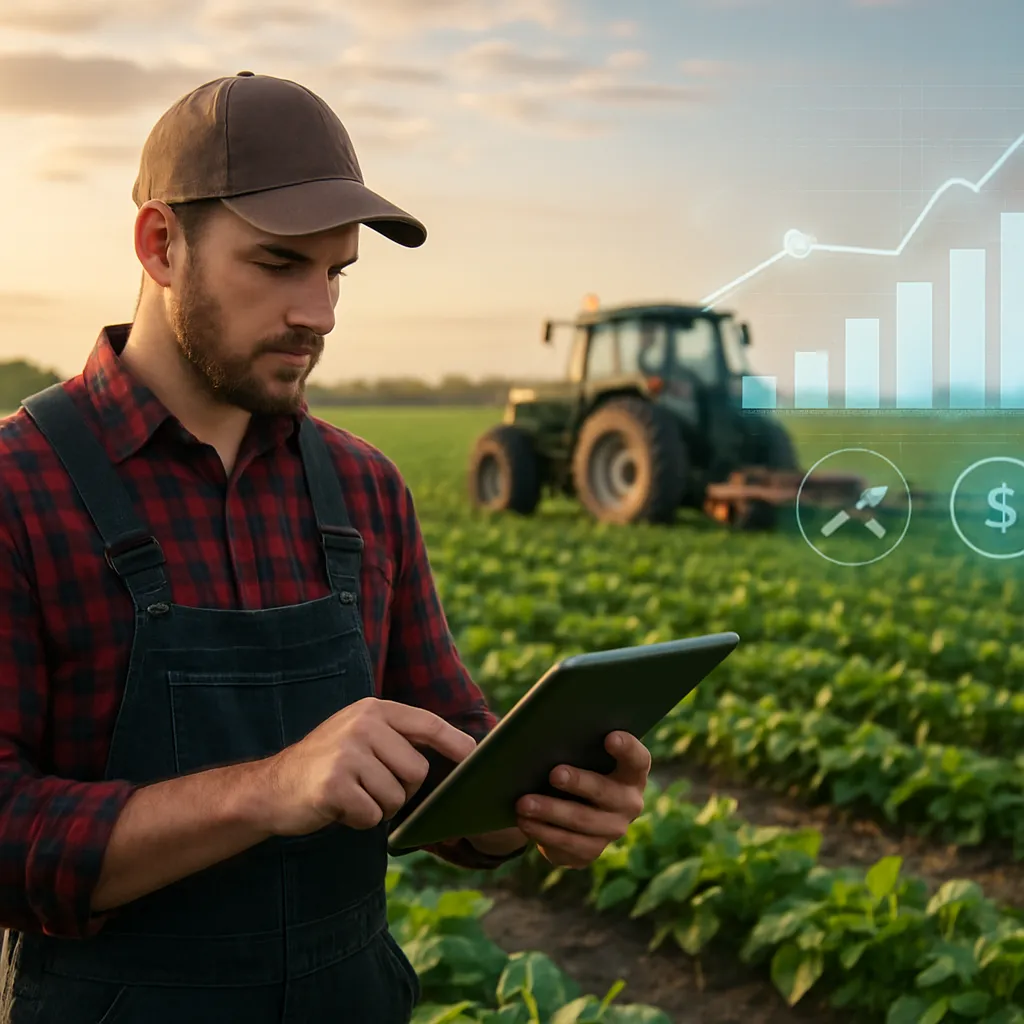
The global agriculture sector is experiencing a profound transformation driven by evolving market demands, emerging technologies, and pressing environmental concerns. As stakeholders strive to optimize soil health and enhance crop yields, innovative strategies and data-driven approaches are reshaping how food is produced worldwide. This article explores pivotal trends in soil management, the consequences of climate change on productivity, and the economic forces shaping the international agriculture market.
Innovations in Soil Health Management
Healthy soils form the cornerstone of resilient food systems. Recent advances emphasize a shift from conventional input-intensive methods toward regenerative practices that restore biological balance and nutrient cycling.
Sustainable Agriculture Practices
Regenerative and sustainable agriculture frameworks focus on building long-term soil fertility. Techniques such as cover cropping, no-till farming, and integrated crop–livestock systems are gaining traction. These methods help to:
- Enhance soil organic matter levels
- Reduce erosion and nutrient runoff
- Improve water retention and irrigation efficiency
- Support soil microbiome diversity
Use of Organic Amendments and Biofertilizers
Farmers worldwide are increasingly adopting organic amendments—compost, manure, biochar—and biofertilizers containing beneficial microorganisms. Such inputs can:
- Boost nutrient availability through biological processes
- Sequester carbon, mitigating greenhouse gas emissions
- Encourage root development and plant resilience
Notably, biochar additions have shown promise in enhancing carbon sequestration and improving nutrient retention in degraded soils.
Precision Farming and Digital Agriculture
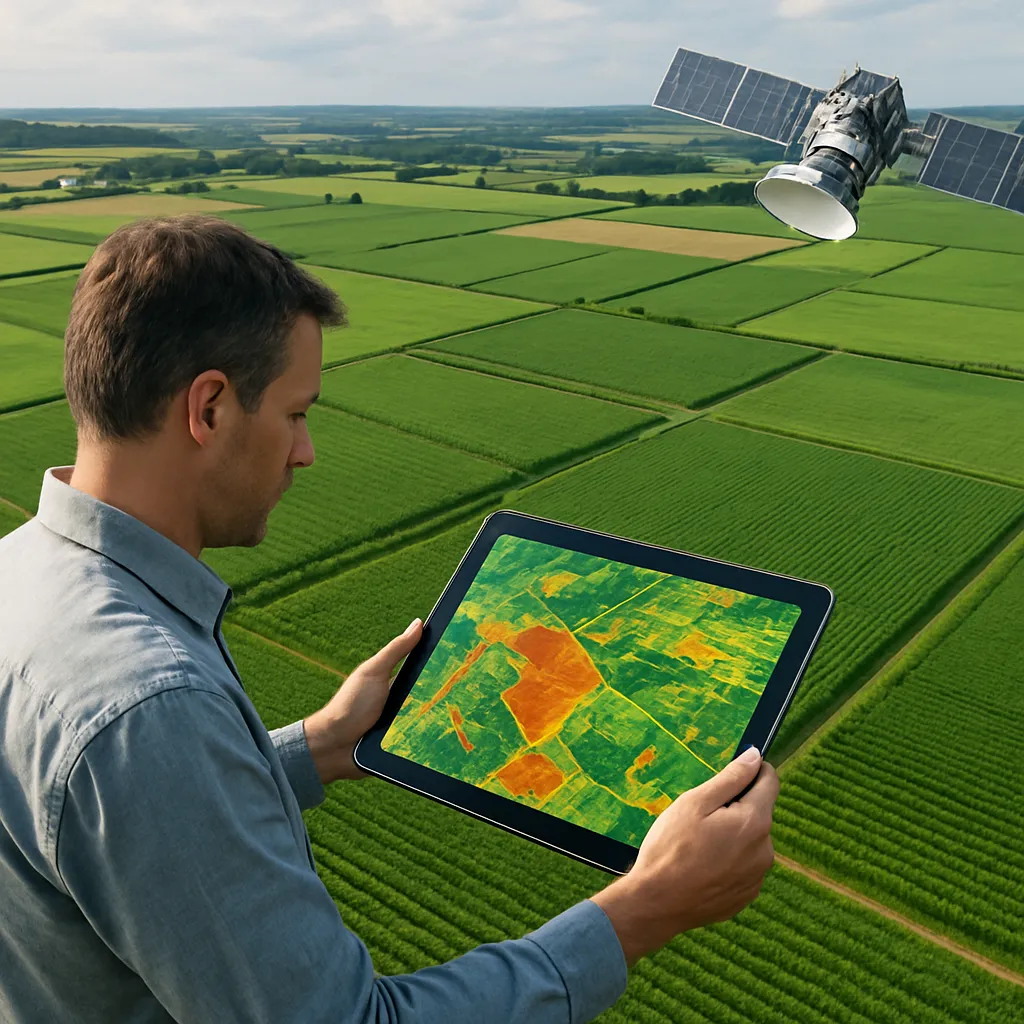
The advent of precision farming technologies—drone imaging, soil sensors, and GIS mapping—is revolutionizing field-level management. By harnessing real-time data, producers can optimize fertilizer application, irrigation scheduling, and pest control to match spatial variability within fields. Key benefits include:
- Minimized input costs and environmental footprint
- Enhanced crop performance through targeted nutrient management
- Early detection of stress factors such as nutrient deficiencies or pest outbreaks
Impact of Climate Change on Crop Yields
Changing weather patterns and increasing climate variability pose significant challenges to global crop production. Rising temperatures, altered precipitation regimes, and more frequent extreme events disrupt traditional management strategies.
Temperature and Water Stress
Heat stress during critical growth stages—flowering, grain fill—can drastically reduce yields. Simultaneously, shifts in rainfall patterns create water scarcity or flooding, depending on the region. Adaptive measures include:
- Development of heat- and drought-tolerant crop varieties via breeding or biotechnology
- Improvement of water management through irrigation efficiency, rainwater harvesting, and deficit irrigation strategies
- Adoption of real-time meteorological forecasting to guide planting and harvesting windows
Soil Carbon Dynamics and Greenhouse Gas Emissions
Healthy soils serve as both carbon sinks and sources. Management practices influence the balance of greenhouse gases—CO₂, N₂O, and CH₄. Enhancing soil health through no-till, cover cropping, and organic inputs can increase soil carbon stocks, contributing to climate change mitigation. Moreover, strategic nitrogen management reduces nitrous oxide emissions, a potent greenhouse gas.
Integrated Pest and Disease Management
Warmer climates foster the spread of pests and pathogens into previously unaffected zones. Integrated Pest Management (IPM) combines biological control agents, resistant varieties, and environmental monitoring to keep outbreaks at bay. Digital tools now allow predictive modeling of pest migration patterns, enabling proactive interventions.
Market Dynamics and Future Opportunities
The interplay between supply chain factors, consumer preferences, and regulatory frameworks is redefining the structure of the global market for agricultural commodities and inputs.
Demand for Organic and Certified Produce
Worldwide, consumers are increasingly willing to pay premiums for sustainably produced and certified organic foods. This trend incentivizes farmers to transition to practices that support environmental stewardship. Certification schemes such as USDA Organic, EU Organic, and global sustainability standards ensure transparency and traceability across supply chains.
Investment in Agri-Tech and Research
Venture capital and corporate investors are directing substantial funds toward agri-tech startups. Innovations under development include:
- Automated robotic platforms for seeding and harvesting
- AI-driven decision-support systems for nutrient management
- Biotechnological solutions for stress-tolerant crop varieties
These investments aim to tackle critical challenges: boosting crop yields, reducing post-harvest losses, and enhancing market access for smallholder farmers.
Trade Policies and Supply Chain Resilience
Recent disruptions—pandemics, geopolitical tensions, climate-induced crop failures—have underscored the need for resilient agricultural supply chains. Nations are revisiting trade agreements, diversifying export portfolios, and investing in local processing capacity. Strategies to fortify resilience include:
- Building strategic grain reserves and storage infrastructure
- Encouraging regional trade blocs to minimize logistic bottlenecks
- Promoting public–private partnerships to improve market transparency
Future Outlook
The trajectory of global food security depends on the integration of scientific advancements with farmer-led knowledge. By prioritizing digital agriculture, strengthening soil ecosystems, and aligning market incentives with sustainable outcomes, the agricultural sector can meet growing demand while safeguarding natural resources. Collaborative efforts across research institutions, industry players, and governmental bodies will be crucial in unlocking new pathways toward a more resilient and productive future.