The evolution of agricultural inputs is steering the industry towards a more sustainable and resource-efficient tomorrow. Biofertilizers and biostimulants are no longer niche innovations; they have become critical components in the global quest for higher yield, improved soil health, and reduced environmental impact. This article explores the market forces, technological breakthroughs, regulatory landscapes, and emerging strategies shaping the future of these revolutionary products.
Global Market Dynamics and Drivers
The global agriculture market is undergoing a paradigm shift as farmers, distributors, and policymakers recognize that conventional chemical fertilizers can jeopardize long-term productivity and ecosystem balance. Growth in demand for organic produce, tightened regulations on synthetic agrochemicals, and consumer pressure for cleaner supply chains are fueling rapid adoption of bio-based solutions. According to recent forecasts, the biofertilizers segment is expected to grow at a CAGR exceeding 12% over the next five years, while biostimulants could expand even faster, approaching a CAGR of 15%.
Key factors driving expansion include:
- Stricter environmental regulations restricting nutrient run-off and heavy-metal content.
- Rising awareness of microorganisms that promote nutrient cycling and disease suppression.
- Cost pressures on farmers seeking improved efficiency and reduced dependence on imported petrochemical inputs.
- Corporate sustainability commitments from major food and beverage brands.
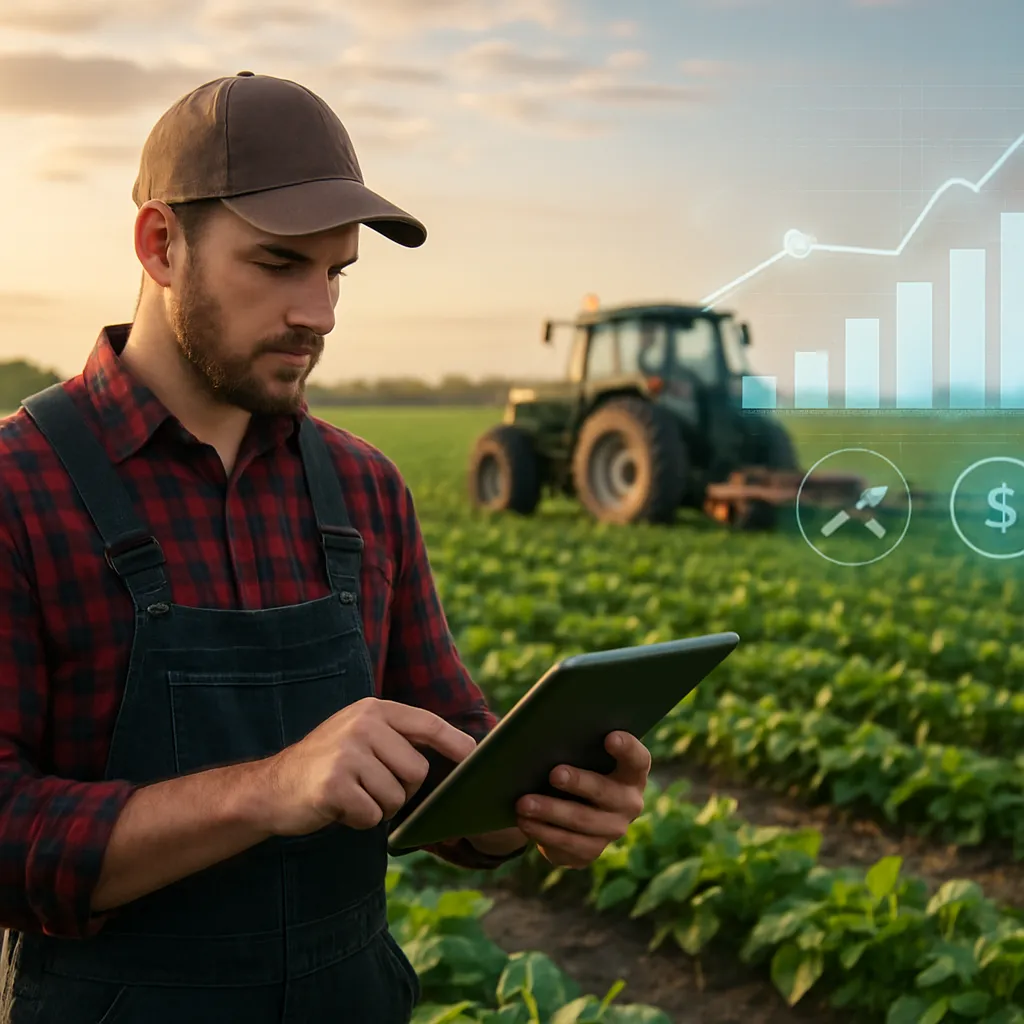
- Advancements in digital agriculture and precision farming that optimize bioproduct application rates.
Emerging economies in Asia-Pacific and Latin America are witnessing significant uptake, driven by government incentives and large-scale initiatives to improve rural livelihoods. In developed regions, the push for circular agriculture and carbon-neutral practices is catalyzing investment in bio-inputs, with leading agrochemical companies increasingly partnering with start-ups in the innovation ecosystem.
Innovations in Formulation and Delivery Technologies
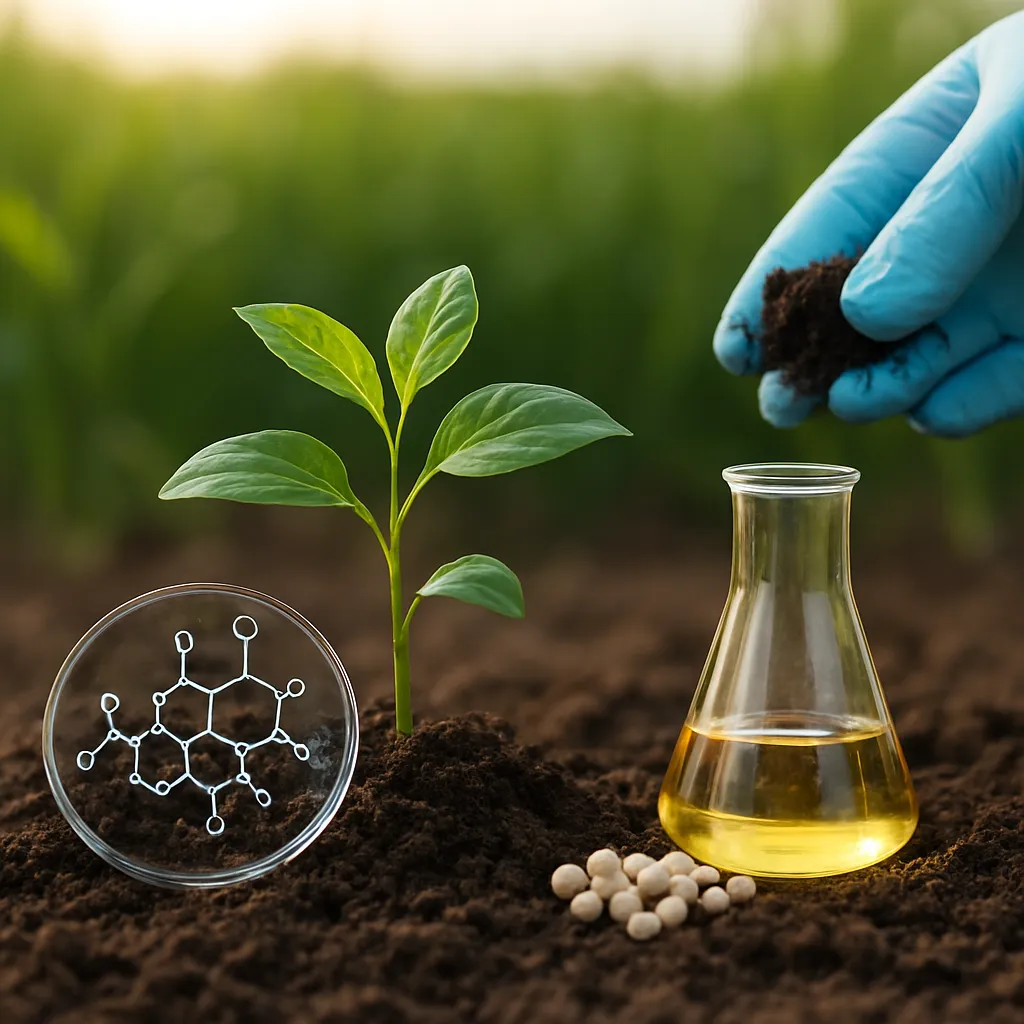
Modern biofertilizers and biostimulants are far more sophisticated than early-generation products. Companies leverage advanced fermentation, encapsulation, and microencapsulation techniques to enhance the shelf life and field performance of living microbes. Nanoemulsion carriers, controlled-release matrices, and seed-coating platforms enable precise targeted delivery of beneficial strains or botanical extracts.
Next-Generation Microbial Consortia
Rather than single-strain inoculants, multi-strain consortia are designed to work synergistically, improving nutrient mobilization, hormone regulation, and stress tolerance. These complex formulations often combine nitrogen-fixing bacteria, phosphorus-solubilizing fungi, and plant growth–promoting rhizobacteria to achieve holistic crop support.
Biostimulant Synergies
Extracts from seaweed, humic substances, and amino-acid complexes are being integrated with microbial cultures to create hybrid biostimulants. The result is enhanced root development, improved antioxidant activity, and accelerated nutrient uptake under abiotic stress conditions such as drought or salinity.
Digital tools, including AI-driven dose optimization and remote sensing, are increasingly used to tailor technology deployment. This omnichannel approach—combining direct sales, distributor networks, and online platforms—ensures that farmers of all scales can access cutting-edge products with clear usage guidelines.
Regulatory Frameworks, Adoption Barriers and Market Strategies
Despite promising growth, the industry faces hurdles related to product registration, quality assurance, and farmer education. Regulatory processes for biofertilizers and biostimulants vary widely by country, and unclear definitions often slow down approvals. Harmonizing standards and establishing robust efficacy data are top priorities for industry associations and government agencies.
- Registration costs can be prohibitive for small innovators lacking extensive field trials.
- Quality control remains a concern: ensuring viable cell counts and absence of contaminants is critical.
- Farmers may hesitate to shift from familiar chemical regimes without demonstrable pilot results.
To overcome these barriers, leading suppliers are adopting multi-pronged market strategies:
- Field demonstration plots in collaboration with universities and cooperatives.
- Training programs and mobile apps offering real-time agronomic support.
- Volume-based pricing models and bundling bioinputs with conventional fertilizers to ease transition.
Emerging Opportunities in Sustainable Agriculture
Climate change mitigation and resilient crop production represent enormous opportunities for biofertilizers and biostimulants. In regions prone to extreme weather events, microbial inoculants that enhance drought tolerance or salinity resistance can safeguard farmer incomes. Carbon-credit schemes are also emerging, rewarding growers who adopt practices that sequester soil organic carbon through bio-based amendments.
Vertical farming and controlled environment agriculture are novel frontiers for custom-formulated biostimulants, delivering precisely tuned nutrient profiles in hydroponic or aeroponic systems. Urban farming enterprises seek potent formulations that accelerate growth cycles and improve taste and nutritional profiles, creating niche markets for specialized bioproducts.
Integration with digital agronomy platforms enables continuous monitoring of soil microbiomes, nutrient dynamics, and plant health. Real-world data feeds back into R&D, accelerating next-generation product pipelines. Partnerships between agrochemical pioneers, biotech firms, tech start-ups, and research institutions are forging an ecosystem capable of delivering sustainable solutions at scale.
The trajectory of biofertilizers and biostimulants is clear: they will play an indispensable role in transforming agriculture into a resilient, resource-efficient, and climate-smart industry. Ongoing investments in science, regulatory clarity, and stakeholder collaboration will determine how fast and effectively this transition unfolds.