The following article explores innovative strategies for enhancing global agriculture through targeted crop diversification. By examining market dynamics, environmental advantages, economic prospects, and policy frameworks, readers will gain insights into how diverse cropping systems can improve resilience, foster sustainability, and optimize yield performance across varied agroecological zones.
Market Dynamics in Global Crop Diversification
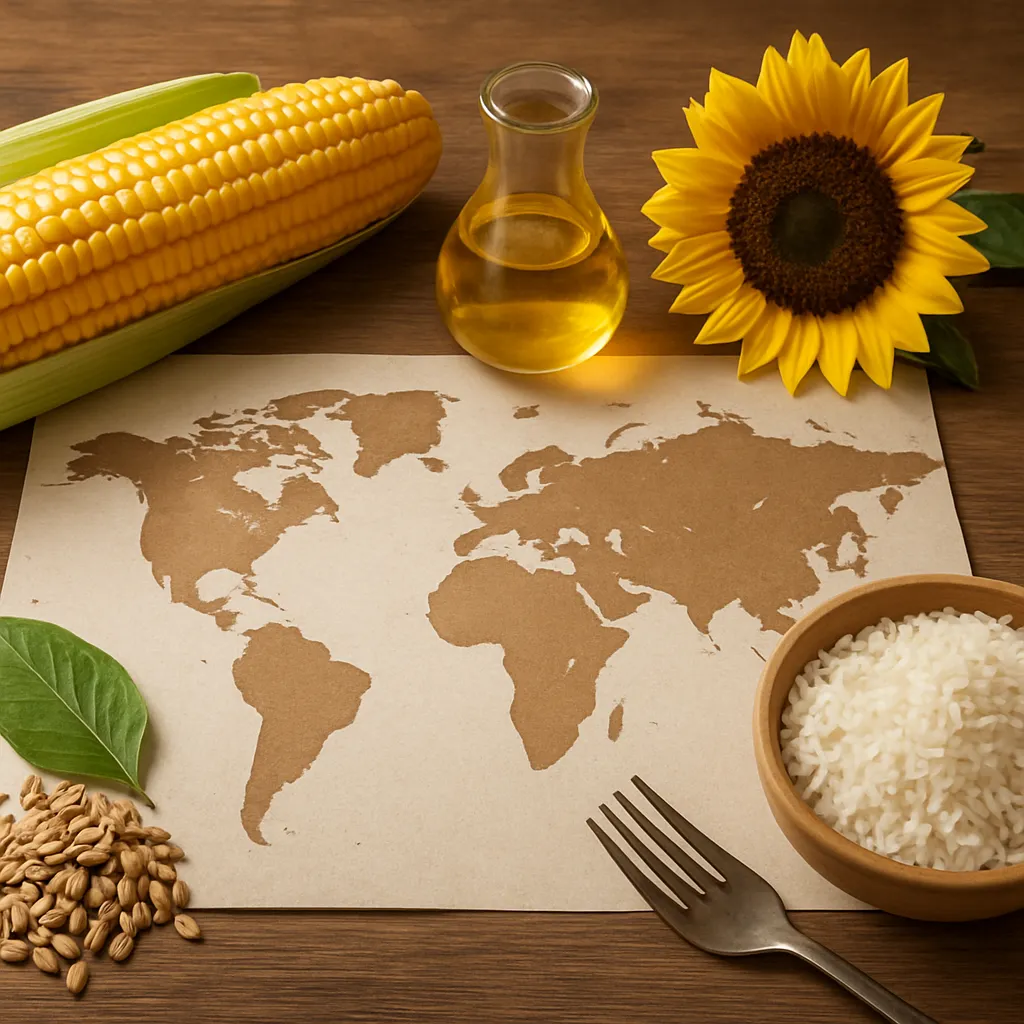
Across continents, shifts in consumer demand and evolving trade agreements have transformed agricultural supply chains. Farmers and agribusinesses increasingly recognize the necessity of diversifying crops to capture emerging markets for specialty produce, organic grains, and novel protein sources. Key drivers include:
- Demand Variability: Rising incomes in developing economies fuel consumption of fruits, vegetables, and pulses, creating opportunities for farmers to transition from monocultures of staple cereals.
- Trade Policies: New bilateral and multilateral agreements reduce tariffs on nontraditional crops, incentivizing exporters to broaden their portfolios.
- Value-Added Products: Processing facilities for oils, starches, and plant-based ingredients call for a wider range of raw materials beyond conventional commodities.
- Risk Management: Diversification mitigates price volatility by distributing farm revenue across multiple crops, each responding differently to global price swings.
Integrating crops such as quinoa, amaranth, and sorghum alongside maize or wheat can balance revenue streams. Furthermore, investing in marketing cooperatives and direct-to-consumer channels amplifies profit margins for smallholders seeking premium niches.
Environmental and Agronomic Advantages
The environmental benefits of diversified cropping systems are increasingly documented by agronomists and ecologists. Rotating legumes with cereals improves soil structure and nutrient cycling by fixing atmospheric nitrogen, thus reducing reliance on synthetic fertilizers. Additional advantages include:
- Enhanced soil fertility through incorporation of green manures and cover crops, which reduce erosion and sequester carbon.
- Biological pest control achieved by interrupting pest life cycles and attracting beneficial insects to diversified agroecosystems.
- Improved water-use efficiency as different crops exploit varied soil depths and moisture regimes, lowering irrigation demands.
- Increased agro-biodiversity, which bolsters ecosystem services and strengthens resilience to extreme weather events.
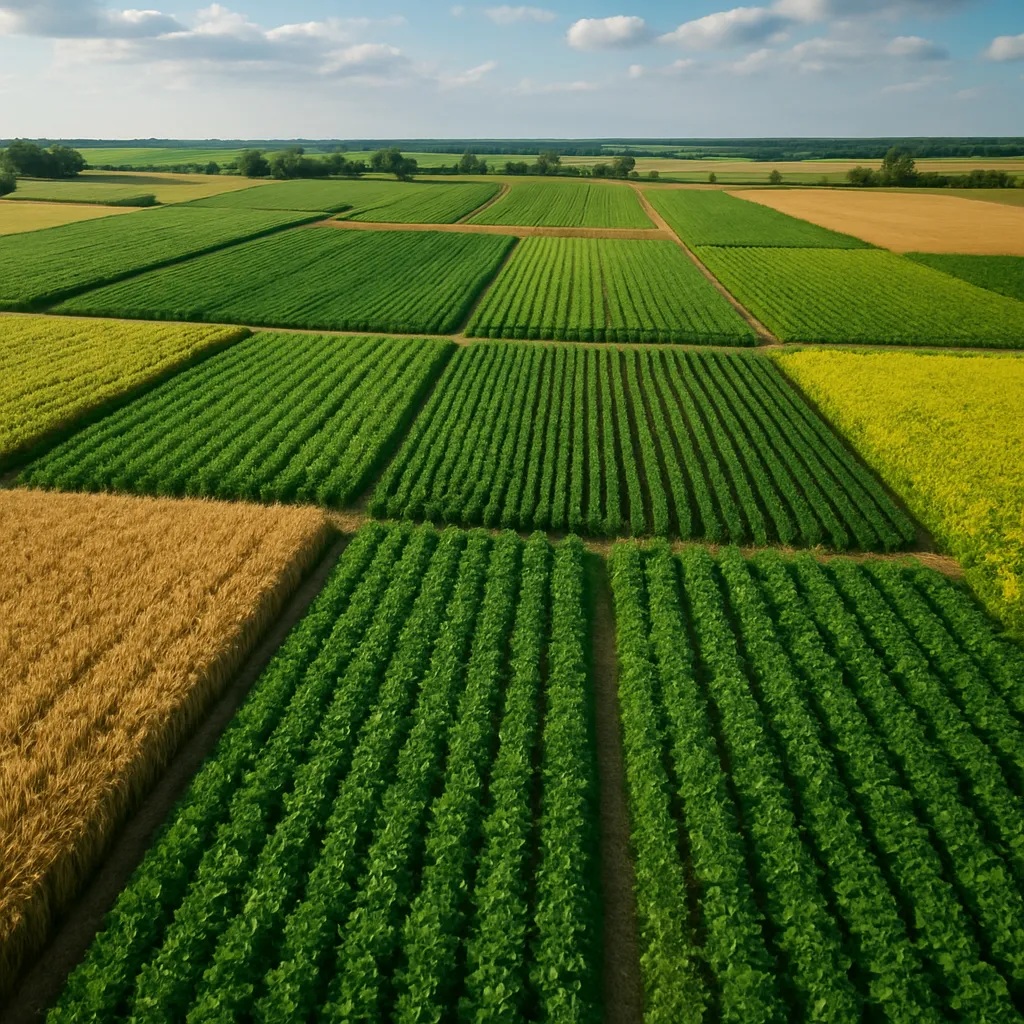
Scientific trials reveal that fields under polyculture arrangements can sustain yields comparable to monocultures while offering long-term ecological benefits. Adapting to climate fluctuations through intercropping drought-tolerant and flood-resistant varieties is central to future-proofing cultivation systems.
Economic and Market Access Opportunities
Expanding the crop portfolio entails both challenges and rewards. Accessing new markets often requires certification, meeting quality standards, and establishing reliable distribution networks. Strategies to capitalize on economic opportunities include:
- Forming producer associations to aggregate volumes and negotiate favorable contracts with processors and exporters.
- Investing in post-harvest infrastructure—such as cold chains and storage facilities—to minimize losses and maintain product integrity.
- Leveraging digital platforms and e-commerce portals for direct sales, enhancing traceability and consumer engagement.
- Pursuing public–private partnerships that finance training programs in sustainable techniques and value-added processing.
Case studies from Latin America demonstrate how smallholder networks produce and export quinoa to health-conscious markets in North America and Europe. Similarly, Southeast Asian farmers have diversified into high-value spices and herbs, commanding premium prices and diversifying income.
Challenges and Policy Frameworks
While the merits of crop diversification are evident, obstacles remain. Farmers may face capital constraints, limited access to credit, or lack of technical expertise. Additionally, policy environments often favor traditional staple cultivation through subsidies and insurance schemes. To overcome these barriers, stakeholders should consider:
- Realigning subsidy programs to reward diversified cropping systems and conservation practices.
- Expanding agricultural extension services that deliver training in innovation and emerging technologies, from precision planting to drone-assisted monitoring.
- Implementing risk-sharing mechanisms, such as weather-indexed insurance, tailored for multi-crop operations.
- Encouraging research partnerships between universities, government agencies, and private firms to breed climate-resilient cultivars and optimize cropping sequences.
Governments and international organizations can foster an enabling environment by integrating crop diversification benchmarks into national agricultural development plans. Through targeted grants and tax incentives, policymakers can guide resource allocation toward diversified, adaptable farm enterprises.
Scaling Strategies for Diverse Agroecological Zones
Adapting diversification models to different environmental contexts requires localized research and participatory approaches. In arid zones, incorporating drought-tolerant millets and pulse species can stabilize yields. In humid tropics, integrating agroforestry and perennial fruit trees with annual crops enhances canopy cover and enriches livelihoods. Key scaling considerations involve:
- Mapping agroecological suitability to align crop choices with soil profiles, rainfall patterns, and market proximity.
- Developing modular cropping templates that farmers can customize, blending core staples with market-driven specialties.
- Creating feedback loops through farmer field schools and demonstration plots to validate best practices and disseminate knowledge.
By embracing a farmer-centric approach, extension agents can expedite adoption and foster community-led innovation. The result is a robust agricultural mosaic that upholds productivity while safeguarding natural resources.
Technology Integration and Future Outlook
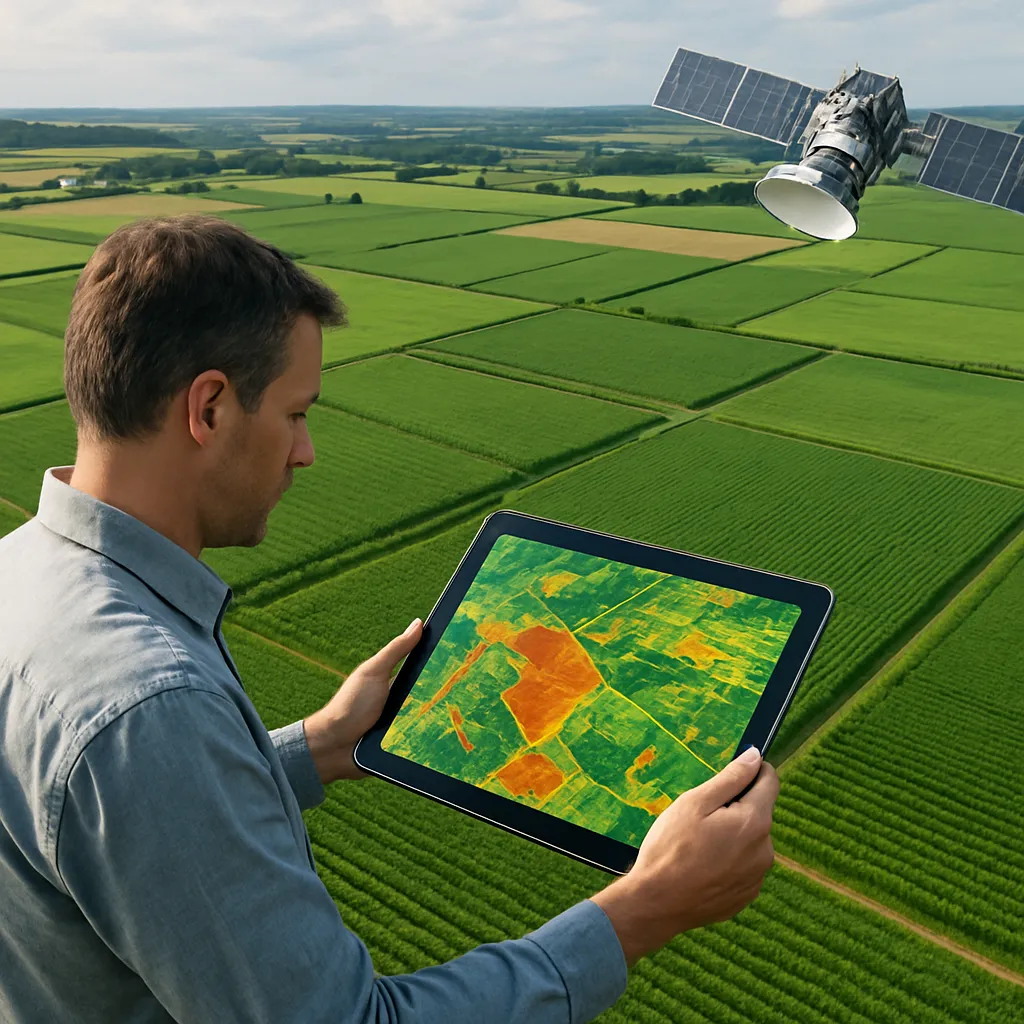
Emerging technologies offer unprecedented potential to support global crop diversification. Digital tools like remote sensing, soil sensors, and predictive analytics enable precise management of diverse crop portfolios. Meanwhile, advancements in plant breeding—such as gene editing and marker-assisted selection—accelerate the development of specialty crops tailored to regional demands. As these technologies become more accessible, farmers can:
- Monitor field heterogeneity to optimize planting density and input placement for each crop component.
- Access real-time market intelligence to adjust cropping decisions based on price forecasts and consumer trends.
- Utilize blockchain-enabled traceability systems to assure buyers of product authenticity and sustainable provenance.
Looking ahead, multi-stakeholder collaborations will drive the next wave of diversification. Integration across the value chain—from seed suppliers to end consumers—will solidify the role of diversified cropping systems as a cornerstone of resilient, future-ready food systems.