The global agricultural sector is undergoing a profound transformation driven by the integration of digital tools and comprehensive data strategies. As stakeholders strive to tackle mounting challenges—ranging from resource scarcity to climate change—effective data management has become a cornerstone for enhancing productivity, ensuring sustainability, and fostering resilience in supply chains. This article explores key trends shaping the agriculture global market, examines investment patterns, and highlights emerging technologies that promise to redefine how data is collected, analyzed, and deployed in the fields and beyond.
Data Revolution in Agriculture
Emergence of Precision Farming
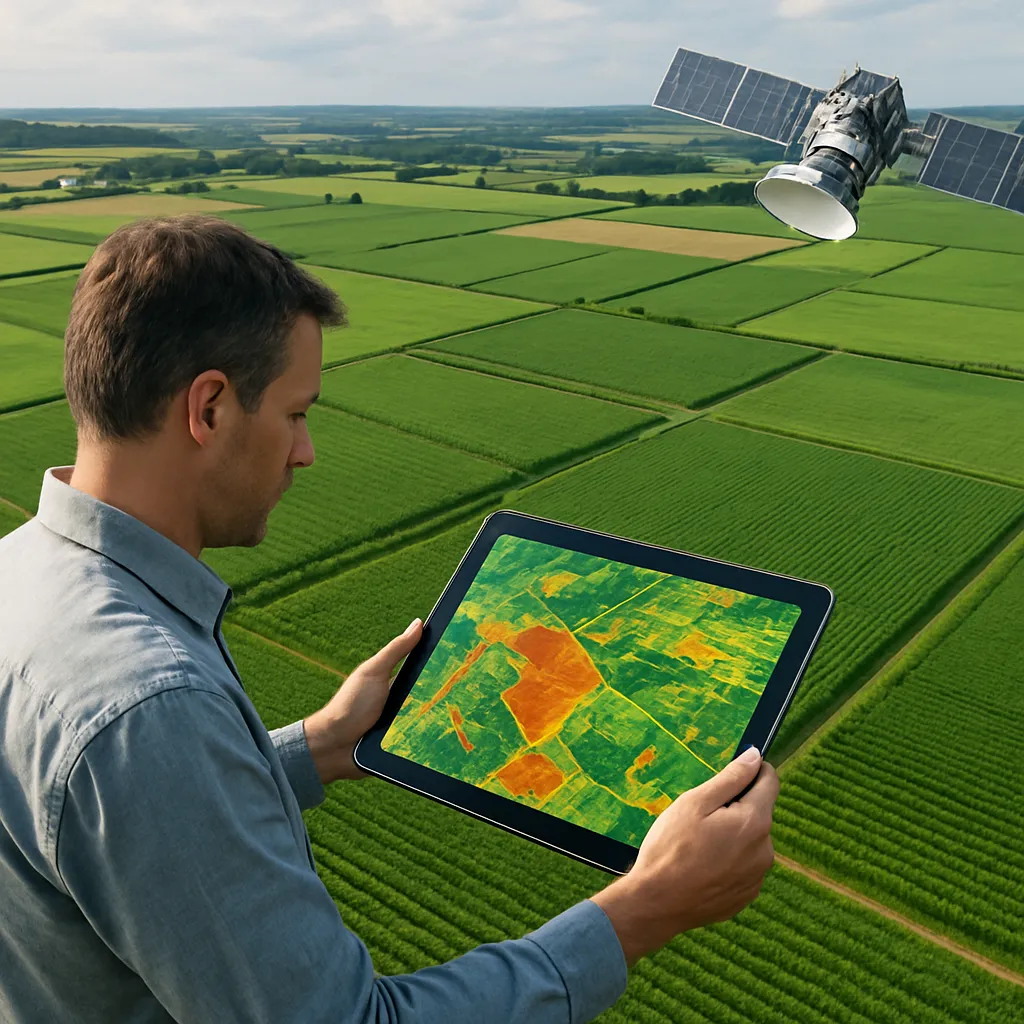
Over the last decade, the adoption of precision farming techniques has scaled rapidly. By leveraging satellite imagery, remote sensors, and GPS-enabled machinery, producers can apply inputs—such as water, fertilizers, and pesticides—with pinpoint accuracy. This approach not only lowers operational costs but also reduces environmental footprint by minimizing overuse of valuable resources. Key advantages include improved yield prediction, real-time field monitoring, and automated decision support systems that help farmers optimize every square meter of cultivated land.
Role of Analytics and Decision Support
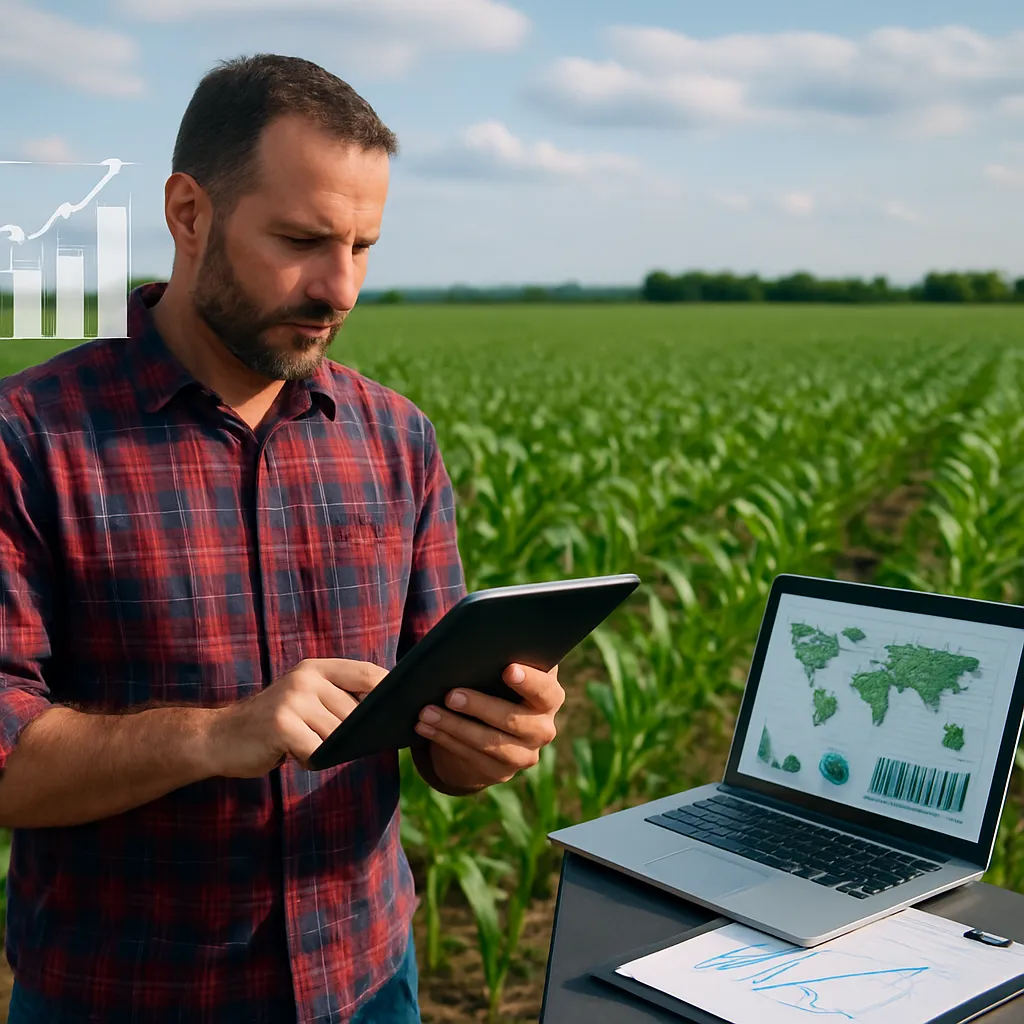
Advanced analytics platforms digest vast volumes of raw data—from soil moisture readings to historical weather patterns—transforming them into actionable insights. Machine learning algorithms detect anomalies, predict disease outbreaks, and recommend tailored interventions. The integration of these platforms with farm management systems ensures that data flows seamlessly between agronomists, machinery, and supply chain partners, enabling rapid adjustments to planting schedules, harvest operations, and storage logistics.
Global Market Dynamics and Investment Patterns
Capital Flows into AgTech
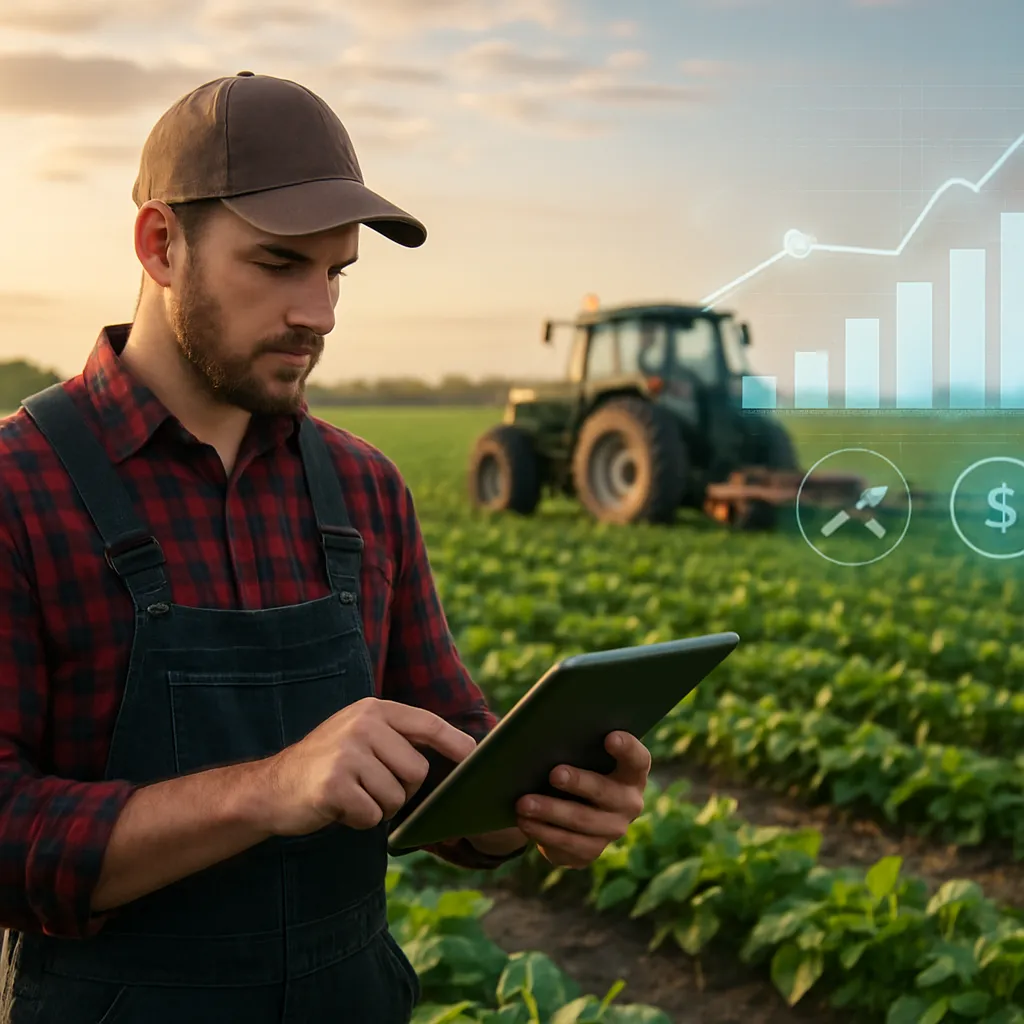
Investor appetite for agriculture technology (AgTech) has surged, with venture capital and private equity firms injecting billions of dollars into startups and scaling enterprises. Funding rounds frequently target solutions that enhance crop monitoring, traceability, and resource efficiency. Regions such as North America and Europe continue to dominate deal volume, though Asia-Pacific and Latin America are closing the gap, driven by governments prioritizing food security and technological autonomy.
Public-Private Partnerships and Policy Support
Governments worldwide are recognizing the importance of data-driven agriculture in achieving national food security goals and climate commitments. Through grants, tax incentives, and research collaborations, public entities are facilitating pilot projects that validate new technologies under real-world conditions. These partnerships often focus on digitizing smallholder operations, promoting open-data frameworks, and establishing regulatory sandboxes where innovators can test solutions with reduced compliance barriers.
Emerging Technologies Shaping Data Management
Internet of Things (IoT) and Connectivity
The proliferation of IoT devices—from soil probes to livestock wearables—has created an intricate web of data points across agricultural landscapes. Low-power wide-area networks (LPWAN) and 5G-enabled rural connectivity are expanding coverage, allowing continuous monitoring even in remote regions. This real-time data influx supports early detection of stress factors, such as pest infestations or nutrient deficiencies, enabling faster, more precise interventions.
Blockchain for Traceability and Trust
Supply chain transparency is receiving a major boost from blockchain solutions that record every transaction, movement, and quality check on immutable ledgers. Consumers and retailers can verify product origins, ethical sourcing, and certification claims with a simple scan, fostering consumer confidence. For producers, blockchain reduces fraud, streamlines compliance reporting, and simplifies cross-border trade by automating document verification processes.
Artificial Intelligence (AI) and Predictive Modeling
Pioneering applications of AI are automating crop health assessments, yield forecasting, and even autonomous machinery navigation. Computer vision systems mounted on drones or tractors can identify weed species, estimate biomass density, and differentiate between crop varieties. When paired with predictive weather services, these tools help growers anticipate adverse conditions and make proactive adjustments, ultimately increasing both productivity and profit margins.
Cloud Computing and Data Integration
Cloud computing platforms are central to the aggregation and processing of terabytes of agricultural data. By offering scalable storage and high-performance analytics, the cloud enables stakeholders—ranging from individual farmers to multinational agribusinesses—to collaborate on a shared digital infrastructure. Interoperability frameworks and standardized APIs are crucial for merging disparate datasets, allowing seamless exchange of insights across equipment manufacturers, research institutions, and marketplaces.
Challenges and Considerations
Data Governance and Privacy
As data collection intensifies, concerns about ownership, privacy, and ethical use have come to the forefront. Establishing clear protocols for data rights, consent, and compensation is essential to maintain trust among farmers, service providers, and end consumers. Multi-stakeholder governance models, often facilitated by cooperatives or industry consortiums, aim to define fair sharing mechanisms and protect sensitive information from misuse.
Infrastructure and Digital Divide
Despite technological advances, many rural areas still lack reliable internet access, limiting the reach of digital farming solutions. Investments in broadband expansion, energy-efficient sensors, and offline-capable platforms are necessary to ensure equitable benefits from the data revolution. Training programs and extension services play a vital role in building local capacity, helping farmers interpret data outputs and integrate new tools into traditional practices.
Ensuring Long-Term Resilience
Climate change poses unpredictable challenges, from extreme weather events to shifting pest pressures. Data-driven strategies that incorporate climate models, soil health indices, and market forecasts can bolster the resilience of agricultural systems. By diversifying cropping patterns, optimizing resource use, and monitoring ecosystem services, stakeholders can create adaptive frameworks that withstand both economic and environmental shocks.
Future Outlook
Looking ahead, the convergence of digital agriculture with genetic innovation, vertical farming, and circular economy principles promises a holistic transformation of the global food system. As interoperability improves and more stakeholders embrace governance frameworks, data management will shift from isolated solutions to integrated platforms that support end-to-end value chains. Ultimately, the synergy between technology and policy will determine whether the next decade can deliver food security, environmental stewardship, and economic prosperity for all participants in the agriculture market.