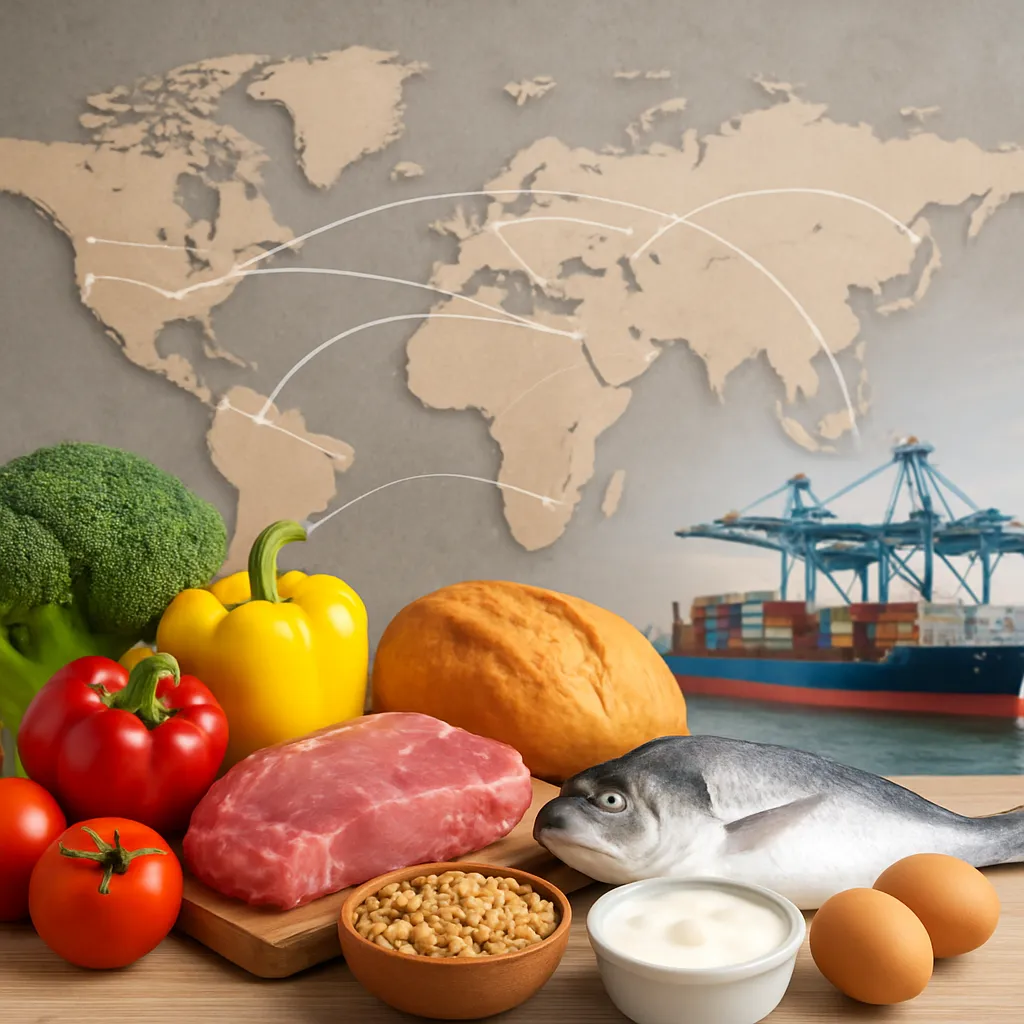
In an era where food moves across continents within days, establishing a reliable system for tracking agricultural products from farm to fork has become indispensable. How Food Traceability Impacts Global Trade immerses readers in the evolving landscape of the global agricultural market and examines the implications of advanced tracking mechanisms on safety, efficiency, and competitiveness.
Market Dynamics and the Need for Visibility
As consumer demand for ethically sourced and sustainable produce intensifies, importers and exporters face mounting pressure to verify the origin and journey of each shipment. Enhanced transparency fosters trust between partners and helps firms navigate complex regulatory frameworks. Key drivers include:
- Consumer expectations for end-to-end verification of ingredients and production methods
- Heightened regulatory scrutiny on residues, contaminants, and labeling accuracy
- Rising frequency of foodborne illness outbreaks prompting swift recalls
- Competitive differentiation through certified organic, fair-trade, or non-GMO claims
- Technological advances enabling real-time data capture and analytics
Without a robust tracking process, stakeholders endure longer customs delays, unpredictable tariff adjustments, and potential shipment rejections at borders. By contrast, a cohesive traceability framework streamlines documentation, reduces risk exposure, and accelerates delivery times.
Technologies Driving Modern Food Traceability
Blockchain Solutions
Blockchain’s immutable ledger offers an auditable record of each transaction. Through shared ledgers, growers, processors, distributors, and retailers can append data—batch numbers, temperature logs, or inspection certificates—without fear of tampering. This decentralized approach reduces disputes, enhances accountability, and shortens the time needed to identify affected lots during a recall.
IoT and Sensor Networks
Internet of Things (IoT) devices—from RFID tags to GPS trackers—continuously monitor the condition and location of perishable goods. Sensors measure humidity, temperature, and shock events, transmitting alerts when thresholds are crossed. Stakeholders leverage these insights to maintain the cold chain, prevent spoilage, and verify compliance with international shipping protocols.
Digital Permits and Regulatory Compliance
Integration with government portals and certification bodies automates export/import licensing, phytosanitary certificates, and customs declarations. Automated data exchange reduces manual errors and speeds approvals. Systems aligned with the World Trade Organization’s SPS (Sanitary and Phytosanitary) measures ensure products meet destination-country requirements.
Impact on International Trade and Regulations
Global trade agreements increasingly embed traceability standards. Free trade zones and preferential tariff regimes may require exporters to demonstrate compliance through digital proof of origin. For example:
- ASEAN countries mandating e-certification for rice exports
- EU’s Farm to Fork Strategy enforcing stricter labeling and provenance rules
- North American reciprocity on produce safety audits and audit-sharing mechanisms
- African Continental Free Trade Area exploring blockchain pilots for cocoa and coffee chains
Companies that invest in traceability infrastructure unlock new market access, faster customs clearance, and improved relationships with major retailers. Conversely, those lagging may face higher inspection rates, elevated compliance costs, and even exclusion from lucrative distribution channels.
Benefits for Stakeholders and Challenges Ahead
Reliable traceability systems yield tangible advantages across the value chain:
- Farmers gain premium pricing through verified quality and origin seals.
- Processors can isolate issues at specific packing houses, limiting recall scope.
- Logistics providers optimize routes and storage conditions, lowering waste.
- Retailers reinforce brand reputation by offering authenticated supplies.
- End users enjoy confidence in the safety and ethical sourcing of their food.
However, deploying these solutions involves hurdles:
- High initial capital expenditures for sensors, readers, and IT infrastructure
- Data interoperability challenges among legacy systems and diverse standards
- Privacy concerns regarding sensitive commercial information shared on public ledgers
- Training requirements to ensure consistent data entry and maintenance
- Ensuring equitable access for smallholder farmers in developing regions
Overcoming these obstacles demands public-private partnerships, shared investment models, and flexible architectures that can evolve with digitalization trends. Pilot projects focusing on key commodities help refine best practices before scaling up to more complex supply chains.