The convergence of advanced technologies and traditional farming practices is reshaping the global agricultural landscape. Through strategic investments in digital transformation, producers are achieving unprecedented gains in yield optimization and cost reduction. This article explores how cutting-edge innovations drive farm profitability, while addressing market dynamics, technology enablers, and economic impacts on a worldwide scale.
Global Market Dynamics and Opportunities
As population growth and changing dietary preferences put pressure on food systems, the global agriculture market is undergoing rapid evolution. Key drivers include urbanization, rising incomes in developing regions, and shifting consumption patterns toward high-value crops and proteins. In this context, precision farming emerges as a catalyst for productivity gains, enabling growers to produce more with fewer resources.
Market Drivers
- Population expansion and food demand growth
- Climate volatility pushing adoption of resilient practices
- Regulatory pressures on resource use and emissions
- Investor interest in agri-tech startups and sustainable solutions
Regional Differences
North America and Europe lead in the deployment of IoT sensors and automation, while Asia-Pacific sees rapid adoption of mobile-based advisory platforms. Latin America leverages digital tools to optimize commodity crops, and Africa is benefiting from low-cost smartphone applications for advisory services. These region-specific trends illustrate how digital tools are tailored to local challenges, from water scarcity to labor shortages.
Core Technologies Empowering Farms
Modern agriculture relies on an ecosystem of integrated solutions. By harnessing big data and AI-driven insights, growers can make real-time decisions that maximize resource efficiency and minimize waste.
Internet of Things (IoT) and Remote Monitoring
Networked sensors placed throughout fields continuously measure soil moisture, nutrient levels, and microclimate data. Farmers access dashboards to monitor crop health and irrigation needs, reducing water usage by up to 30% and ensuring optimal growing conditions.
- Soil moisture probes for precise irrigation scheduling
- Microclimate stations to anticipate disease outbreaks
- Livestock wearables for health and behavior tracking
Data Analytics and Predictive Modeling
Historical yield records, weather forecasts, and market price trends feed into analytical platforms, generating predictive models that guide planting decisions and harvest timing. This data-driven approach minimizes risk and enhances profitability by aligning production volumes with demand forecasts.
Autonomous Machinery and Robotics
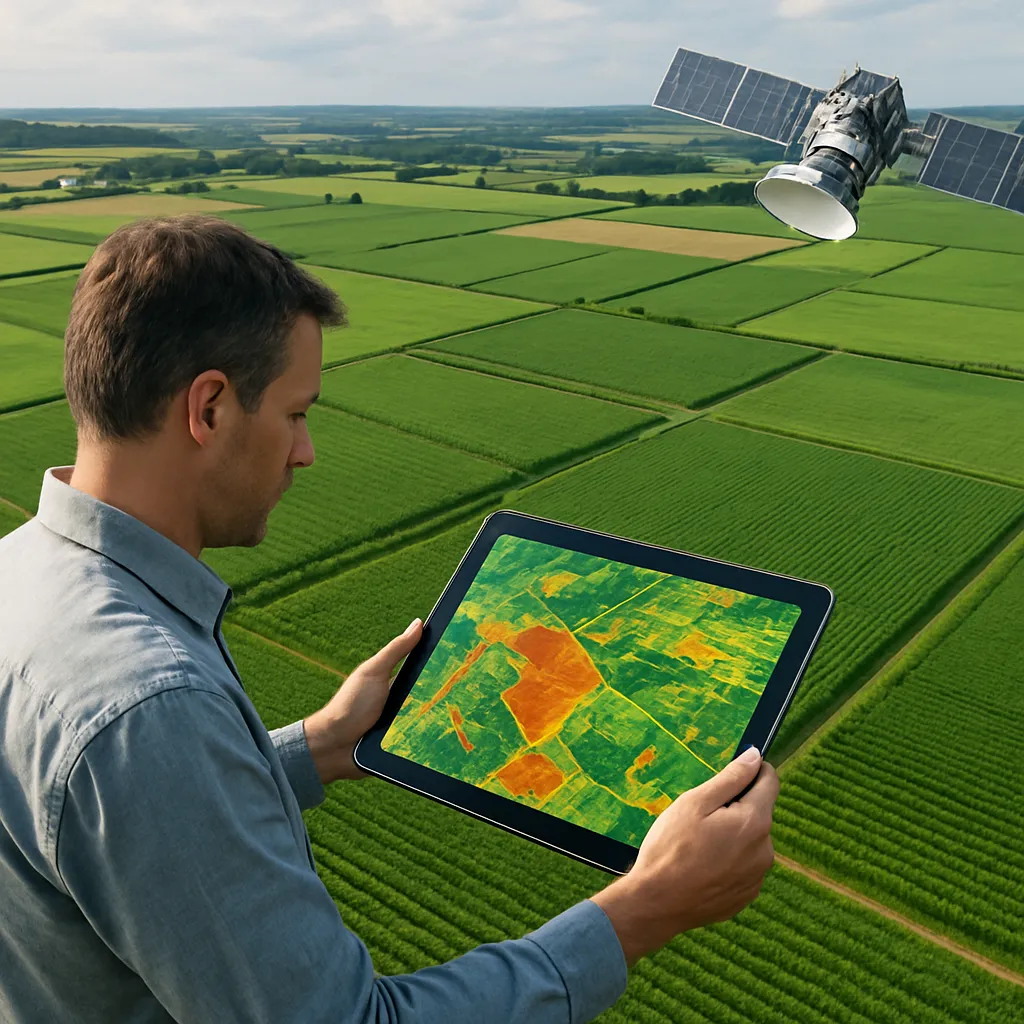
Self-driving tractors and drone fleets are revolutionizing field operations. Autonomous sprayers deliver agrochemicals with centimeter-level accuracy, while drones equipped with multispectral cameras scan crops for nutrient deficiencies and pest infestations. These innovations reduce labor costs and chemical usage, contributing to more sustainable practices.
Blockchain and Supply Chain Traceability
Immutable ledgers ensure transparency from farm gate to consumer. Blockchain platforms record each transaction—harvest dates, processing steps, storage conditions—offering proof of origin and quality assurance. This level of traceability commands premium prices in markets demanding ethical and safe produce.
Economic Impact and Profit Drivers
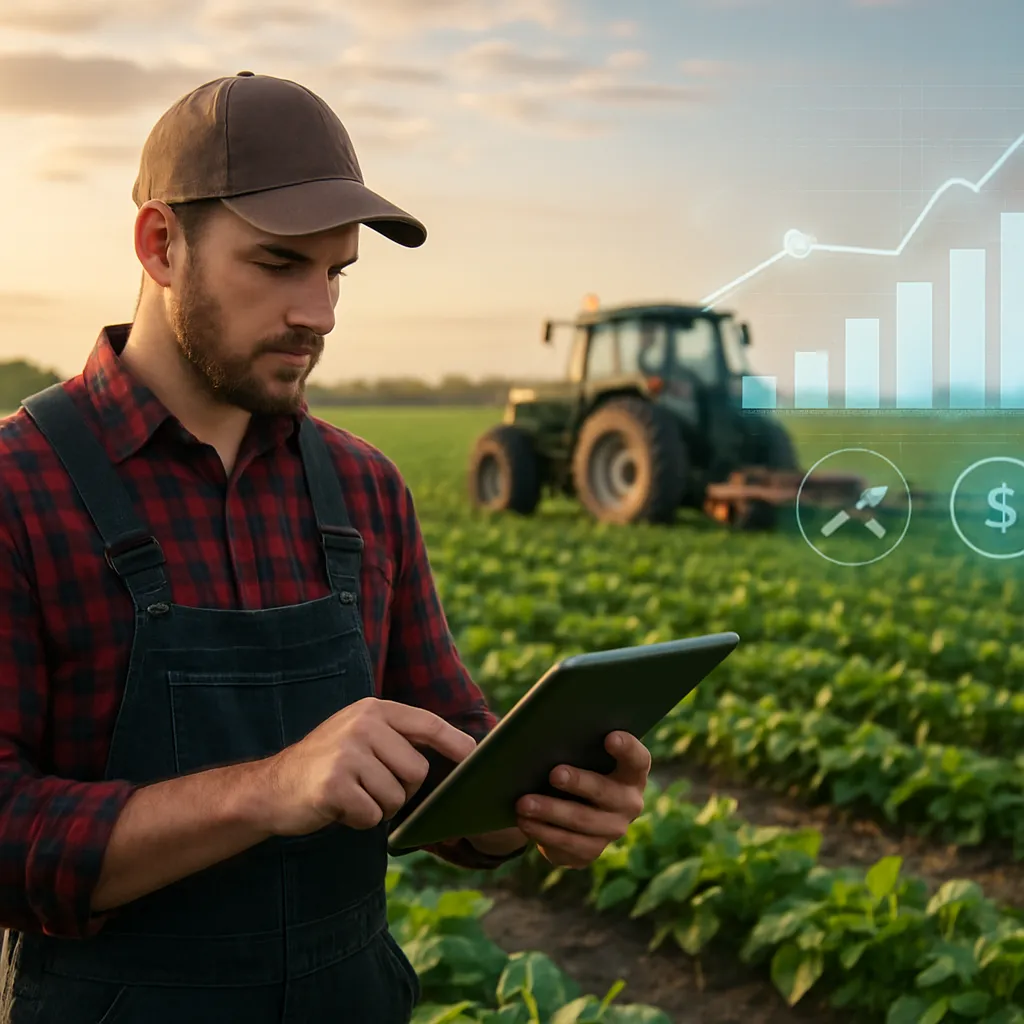
Investments in digital farming infrastructure yield substantial returns on multiple fronts. Beyond increased yields, farmers benefit from lower input costs, improved labor allocation, and access to new revenue streams via value-added services.
Cost Savings and Efficiency Gains
Precision application of water, fertilizers, and agrochemicals curtails waste, directly impacting the bottom line. Studies demonstrate that farms adopting variable-rate technology can reduce fertilizer application by 20–40%, while gaining yield uplifts of 5–15%.
- Labor optimization through automation
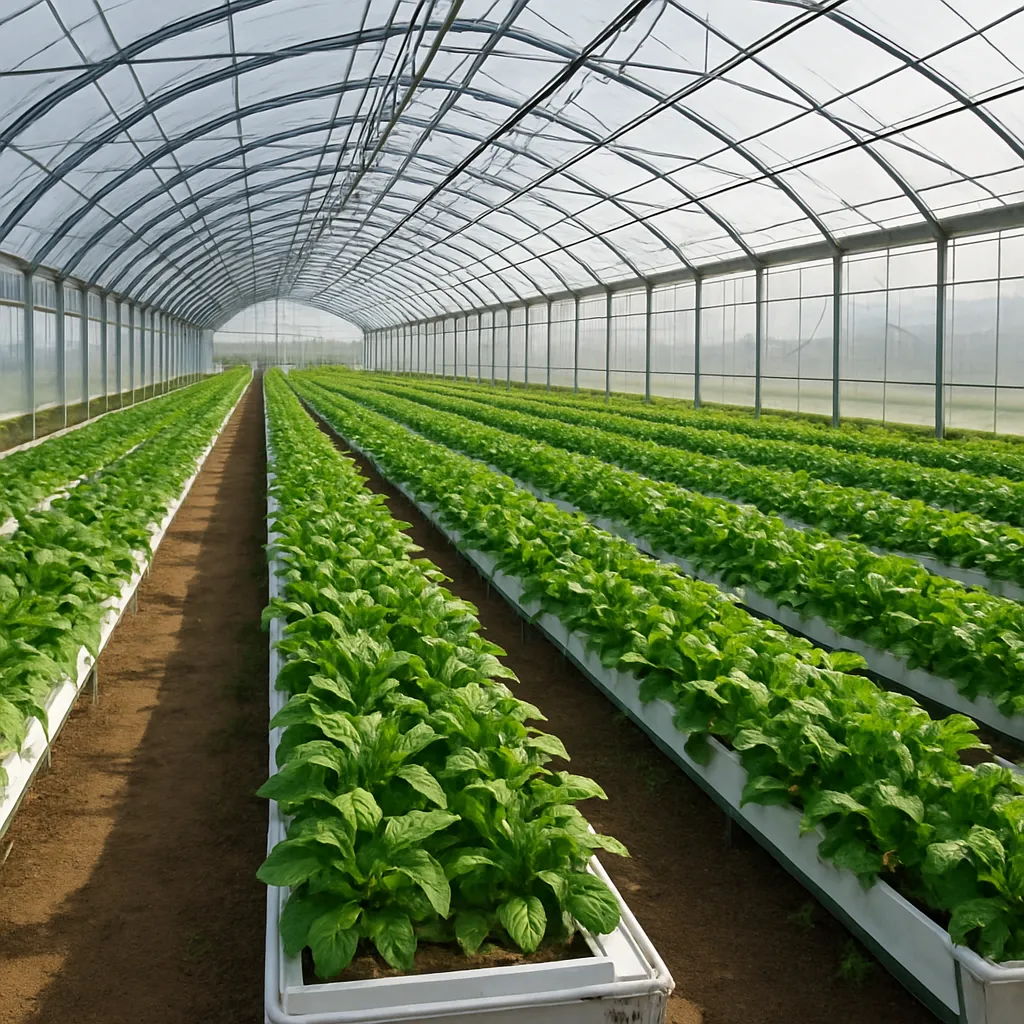
- Energy savings via smart greenhouse controls
- Reduction in spoilage through cold chain monitoring
Revenue Enhancement through Value-Added Services
Data-rich farm operations can monetize their information by offering consulting services, subscription-based analytics, or digital marketplace access. By leveraging their data analytics capabilities, agribusinesses become service providers, unlocking new profit channels beyond commodity sales.
Risk Management and Financial Inclusion
Insurance products indexed to sensor data shield farmers from weather-induced losses. Meanwhile, digital credit platforms assess creditworthiness using farm performance metrics, expanding access to capital for smallholders. This democratization of finance supports investment in resilient supply chain infrastructures.
Challenges and Future Directions
While the potential of digital agriculture is immense, several hurdles must be addressed to realize full-scale adoption.
Connectivity and Infrastructure Gaps
Rural broadband remains uneven in many regions. Without reliable connectivity, advanced IoT and real-time analytics cannot function effectively. Public–private partnerships are critical to extending network coverage and driving digital inclusion.
Data Privacy and Security
As farms become data-centric enterprises, safeguarding sensitive information is paramount. Cybersecurity measures and clear data ownership frameworks ensure that farmers retain control over their valuable operational data.
Skill Development and Change Management
The transition to digital farming requires new skill sets. Training programs, vocational courses, and on-farm demonstrations empower producers to adopt and manage advanced technologies effectively. Building human capital is as important as deploying the hardware and software components.
Emerging Trends
- Edge computing for low-latency decision-making
- 5G-enabled autonomous equipment
- Gene editing guided by AI-based phenotyping
- Carbon-credit trading platforms for sustainable practices
By addressing these challenges head-on and fostering collaboration among stakeholders, the agriculture industry can fully harness digital transformation to drive sustainable growth and enhanced profitability.