The outbreak of COVID-19 and subsequent global health emergencies have highlighted the fragility of interconnected food systems. As nations worldwide struggled to contain infections, the ripple effects on agriculture markets, transportation routes, and consumer behavior became apparent. Understanding the profound consequences of pandemics on agricultural supply chains is essential for building a more robust and adaptable global market.
Global Dynamics and Pandemic Disruptions
Pandemics exert pressure on multiple links of the food supply chain, from farmgate operations to retail shelves. Border closures, labor shortages, and shifting demand patterns introduced unprecedented challenges. Smallholder farmers faced constraints in accessing seeds and fertilizers, while export-dependent regions saw significant declines in revenue. Meanwhile, urban centers experienced empty supermarket aisles as panic buying intensified supply shortages.
- Labor disruptions in harvesting and processing plants amplified supply gaps.
- Transport delays due to health screenings and quarantine measures increased lead times.
- Price spikes in staple commodities underscored market vulnerability.
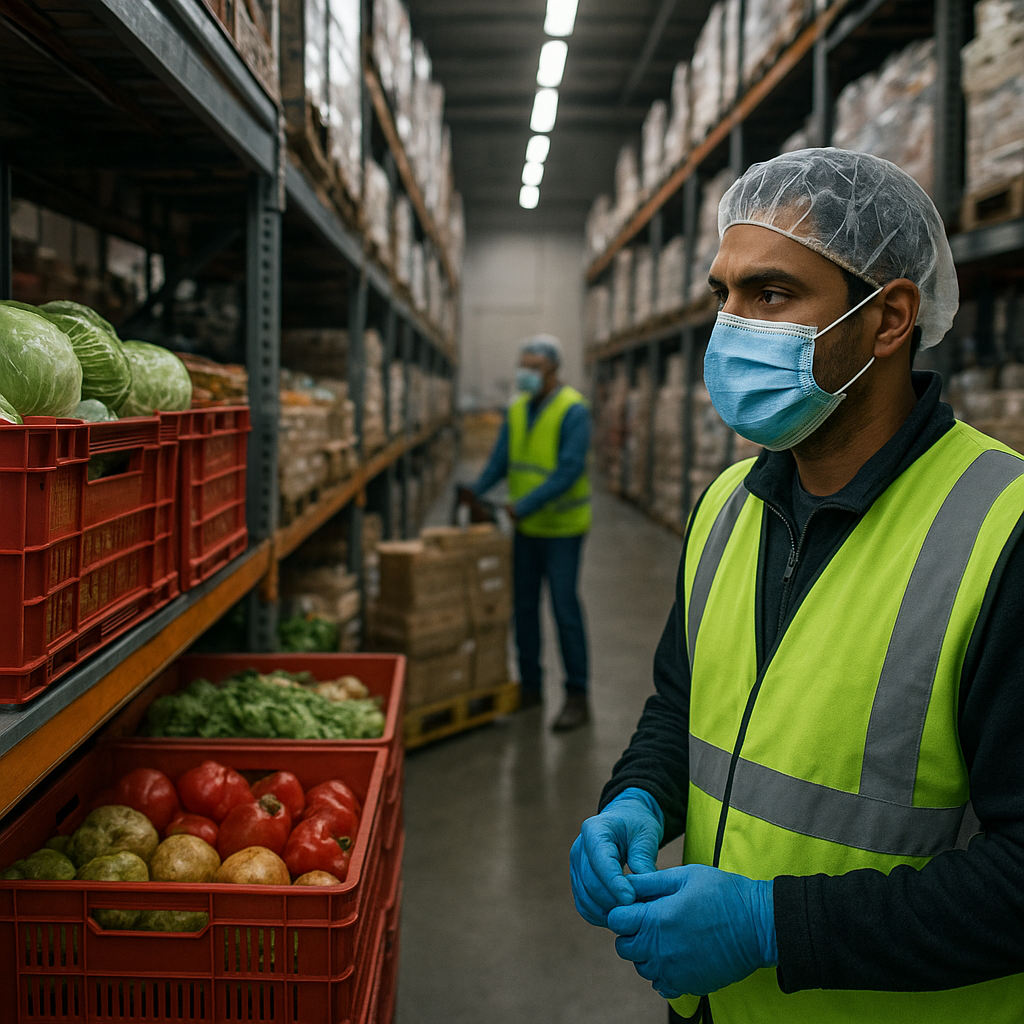
Cold chain operations, crucial for perishable goods, faced interruptions that risked large-scale losses. These transport hurdles underscored the need for agile logistics capable of rerouting shipments and ensuring timely delivery. Moreover, reliance on a limited number of trading partners magnified supply shocks when individual countries imposed export bans or restrictions to secure domestic stocks.
Adaptation and Innovation in Agricultural Practices
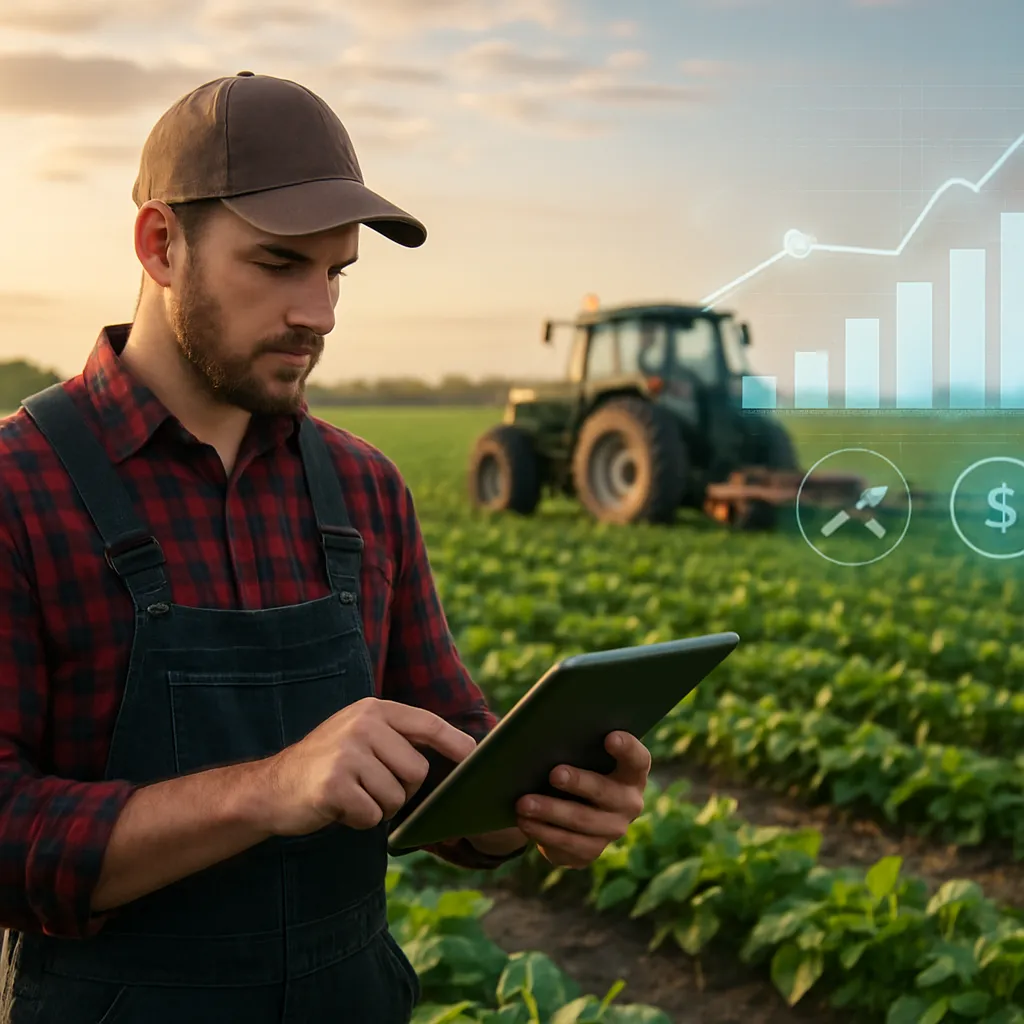
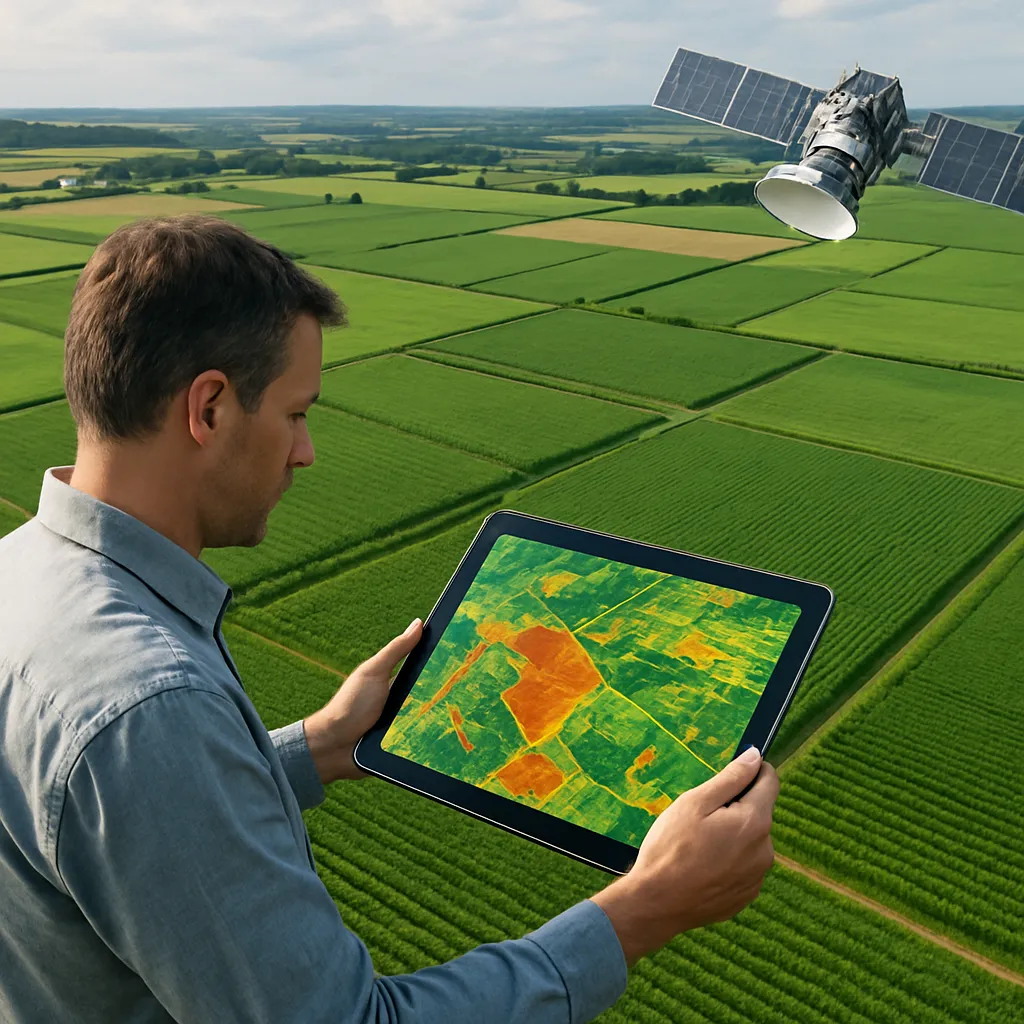
Farmers and agribusinesses responded by adopting new strategies to preserve yield and maintain access to markets. Precision agriculture tools, digital marketplaces, and remote advisory services became vital assets in the absence of traditional field visits and face-to-face transactions.
Digital Platforms and E-Commerce
As consumers shifted to online shopping, rural producers leveraged technology to connect directly with buyers. E-commerce portals expanded rapidly, offering real-time pricing and delivery tracking. Producers who integrated these platforms enhanced their efficiency and reduced reliance on intermediaries.
Sustainable and Diversified Farming
Encouraging diversification of crops and livestock helped spread risk during market disruptions. Integrating agroforestry and intercropping systems improved soil health and provided alternative revenue streams. Emphasizing climate-smart methods also aligned with growing consumer demand for environmentally responsible products.
- Use of drip irrigation and drones optimized resource use.
- Adoption of organic inputs strengthened resilience to input shortages.
- Community seed banks preserved genetic diversity and ensured seed availability.
These practices not only mitigated immediate threats posed by pandemics but also fostered long-term sustainability goals. By reinforcing farm-level capacity, producers gained greater control over their supply chains and reduced exposure to external shocks.
Policy Interventions and International Cooperation
Governments and multilateral institutions played a pivotal role in stabilizing food markets and safeguarding food security. Emergency relief packages, loan deferments, and direct subsidies provided lifelines to struggling agrarian communities. At the same time, trade facilitation agreements sought to keep essential commodities flowing across borders.
Targeted Financial Support
Programs that prioritized small and medium-sized enterprises helped maintain workforce continuity and prevented mass layoffs in processing facilities. Digital cash transfers and voucher schemes empowered vulnerable households to purchase nutritious foods amid income losses.
Trade Corridors and Export Protocols
Collaborative frameworks between exporting and importing countries streamlined logistics by standardizing health inspections and documentation processes. These protocols minimized delays while upholding safety standards for both goods and personnel.
- Special “green lanes” were established for perishable exports.
- Temporary waivers on customs duties reduced costs for essential grains.
- Data-sharing platforms improved transparency in global food reserves.
By fostering collaboration among stakeholders, policymakers helped alleviate bottlenecks and ensured equitable access to vital food supplies during periods of heightened uncertainty.
Strengthening Resilience for Future Crises
Lessons learned from recent pandemics underscore the importance of proactive measures that enhance the adaptive capacity of food systems. Building resilience involves not only technical improvements but also social and institutional reforms.
- Investing in rural infrastructure, such as storage facilities and cold chains, reduces post-harvest losses.
- Developing decentralized processing hubs promotes local value addition and income generation.
- Strengthening social safety nets ensures community-level food equity during disruptions.
Incorporating risk assessments and early warning systems enables stakeholders to anticipate emerging threats and respond swiftly. Scaling up public-private partnerships and leveraging scientific research further accelerates the deployment of innovative solutions. Ultimately, creating a resilient global market hinges on recognizing interdependencies and promoting inclusive growth across all tiers of the supply chain.