Africa’s Role in the Future of Global Agriculture
Africa stands at a pivotal moment in the evolution of the global agricultural landscape. Rich in untapped natural resources and youthful populations eager to drive change, the continent offers a unique combination of challenges and opportunities. While historical underinvestment and fragmented markets have restrained overall growth, recent policy reforms, flourishing digital ecosystems, and growing interest from international investors are forging new pathways. By harnessing modern tools and cultivating strategic alliances, African nations are poised to significantly contribute to food security, export diversification, and sustainable supply chains worldwide.
Emerging Opportunities and Resource Potential
Vast Arable Land and Soil Diversity
Africa possesses approximately 60 percent of the world’s unused arable land. From the volcanic soils of East Africa to the alluvial plains of West Africa, this diversity creates a foundation for crop diversification and niche commercial products. Countries such as Ethiopia and Ghana have begun targeted programs to map soil types, allowing smallholder farmers to optimize fertilizer use and select varieties with the highest yield potential. Such initiatives enhance overall productivity while minimizing environmental impact.
Water Resources and Climate Variability
While droughts and flooding pose serious risks, Africa’s numerous river basins and substantial groundwater reserves present an opportunity for well-planned irrigation schemes. Projects along the Nile, Niger, and Zambezi are increasingly integrating solar-powered pumps and drip irrigation, stretching limited water supplies to support high-value horticulture. By coupling modern water management with traditional knowledge, farmers can build resilience against seasonal shocks and contribute to global export markets in fruits and vegetables.
Challenges and Strategic Solutions
Poor Infrastructure and Market Access
Rural roads, storage facilities, and processing centers remain underdeveloped across many regions. Post-harvest losses can reach up to 30 percent for fruits and vegetables due to inadequate infrastructure. Addressing this requires multi-stakeholder efforts: governments investing in feeder roads; local cooperatives building cold-storage hubs; and private-sector players deploying mobile aggregation platforms. Better connectivity not only reduces waste but also creates linkages to emerging regional trade blocs such as the African Continental Free Trade Area.
Financial and Policy Barriers
Smallholder farmers often struggle to access credit and insurance products tailored to agriculture. High collateral requirements and volatile commodity prices deter lenders, while outdated regulations limit the introduction of innovative financing models. To overcome these hurdles, regulators are crafting frameworks for digital lending and crop insurance, supported by federal guarantees. International donors and development banks are also scaling up technical assistance, enabling local institutions to underwrite risk and spur further investment.
Capacity Building and Education
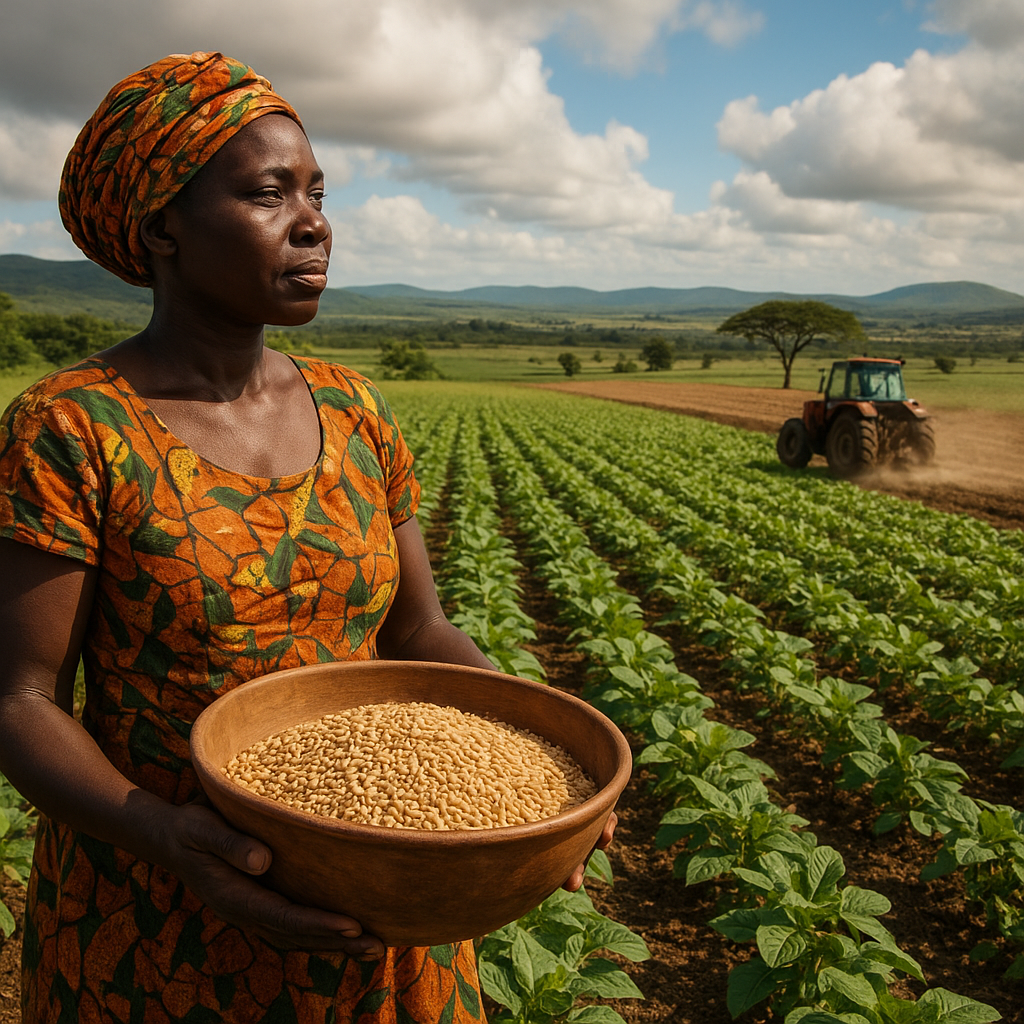
The gap in agricultural extension services and technical training has historically slowed technology adoption. Strengthening vocational schools, deploying mobile-based advisory tools, and fostering mentorship programs between research institutes and farmers can accelerate knowledge transfer. Programs that incorporate gender-sensitive approaches ensure women farmers—who represent a large share of the rural workforce—gain equal access to resources. Enhancing human capital is essential for driving long-term productivity gains.
Moving Forward: Partnerships and Innovation
Technology Adoption and Digital Agriculture
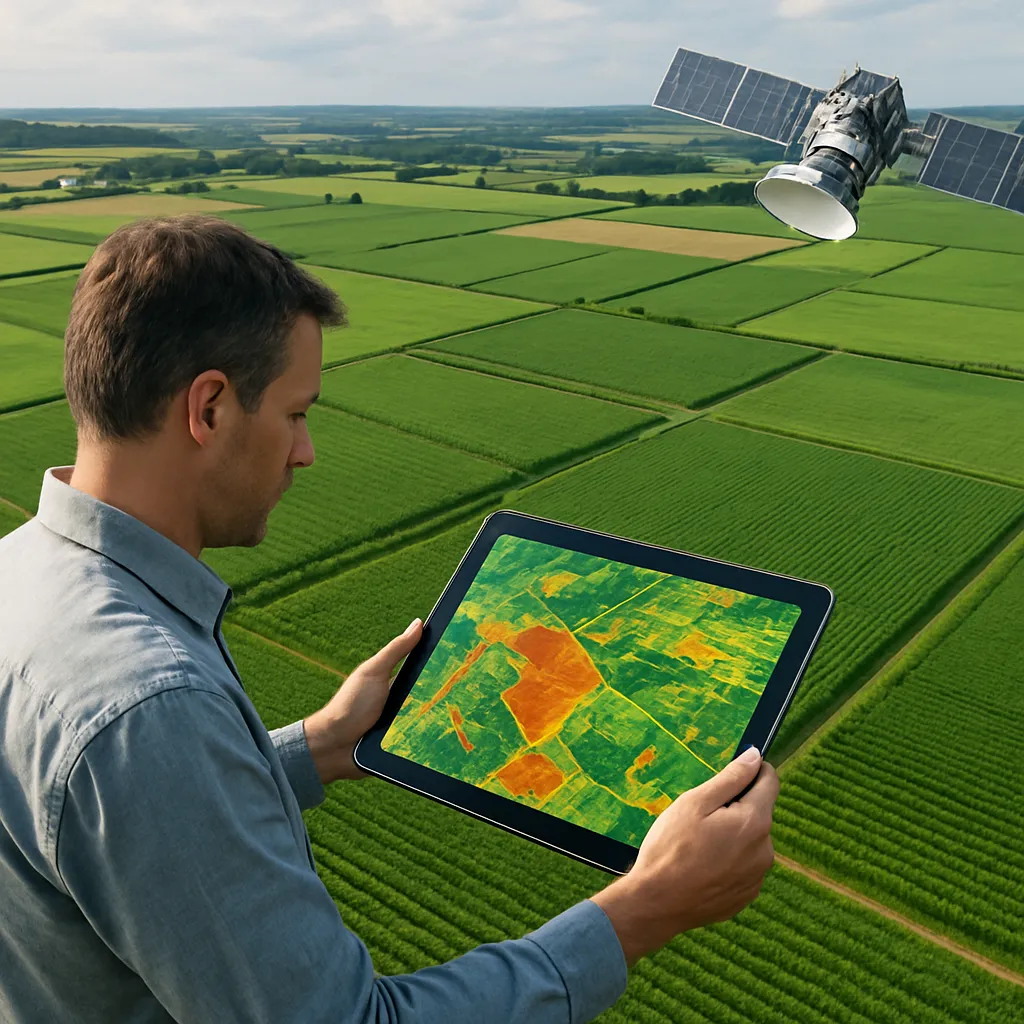
Mobile applications, satellite imagery, and blockchain-enabled supply chains are revolutionizing the way African agriculture operates. Platforms offering real-time weather forecasts, market prices, and remote sensing analytics help farmers make informed decisions on sowing dates, input use, and harvesting windows. Such technology-driven solutions reduce costs, improve yield forecasts, and increase transparency for downstream buyers seeking traceable produce.
Investment Flows and Public-Private Partnerships
Strategic alliances between governments, multinational agribusinesses, and impact investors are fueling new agrifood corridors. By co-financing large-scale processing facilities, packaging plants, and export terminals, stakeholders can achieve economies of scale and unlock value chains in commodities such as cocoa, cashews, and coffee. Blended finance models, combining concessional loans and equity stakes, mitigate risk and attract additional capital, amplifying the continent’s role in global markets.
Sustainable Practices and Climate-Smart Approaches
Building a more sustainable agricultural sector demands conservation agriculture, agroforestry, and integrated pest management. These practices promote soil health, enhance carbon sequestration, and preserve biodiversity. International climate funds are increasingly channeling grants to African farmers adopting low-emission techniques. By pioneering resilient farming systems, Africa can position itself as a leader in climate-smart production, supplying the world while safeguarding vulnerable ecosystems.
Conclusion
As the world grapples with growing demand for food and environmental constraints, Africa’s rise in global agriculture represents both an imperative and an opportunity. By leveraging its land resources, embracing innovation, and fostering cross-border partnerships, the continent can deliver a new era of equitable growth. The path forward rests on coordinated policy reforms, targeted investment, and unwavering commitment to sustainability. Through these concerted efforts, Africa will not only feed its own populations but also play a defining role in the future of food security worldwide.