The rapid evolution of agricultural trade has positioned Latin America as a powerhouse in global food supply chains. An array of factors—including climate diversity, natural resources, and strategic policies—has fueled the region’s rise in exports. This article examines the intricate dynamics underpinning agri-exports from Latin America and highlights the forces shaping future growth in the global market.
Overview of Agri Exports in Latin America
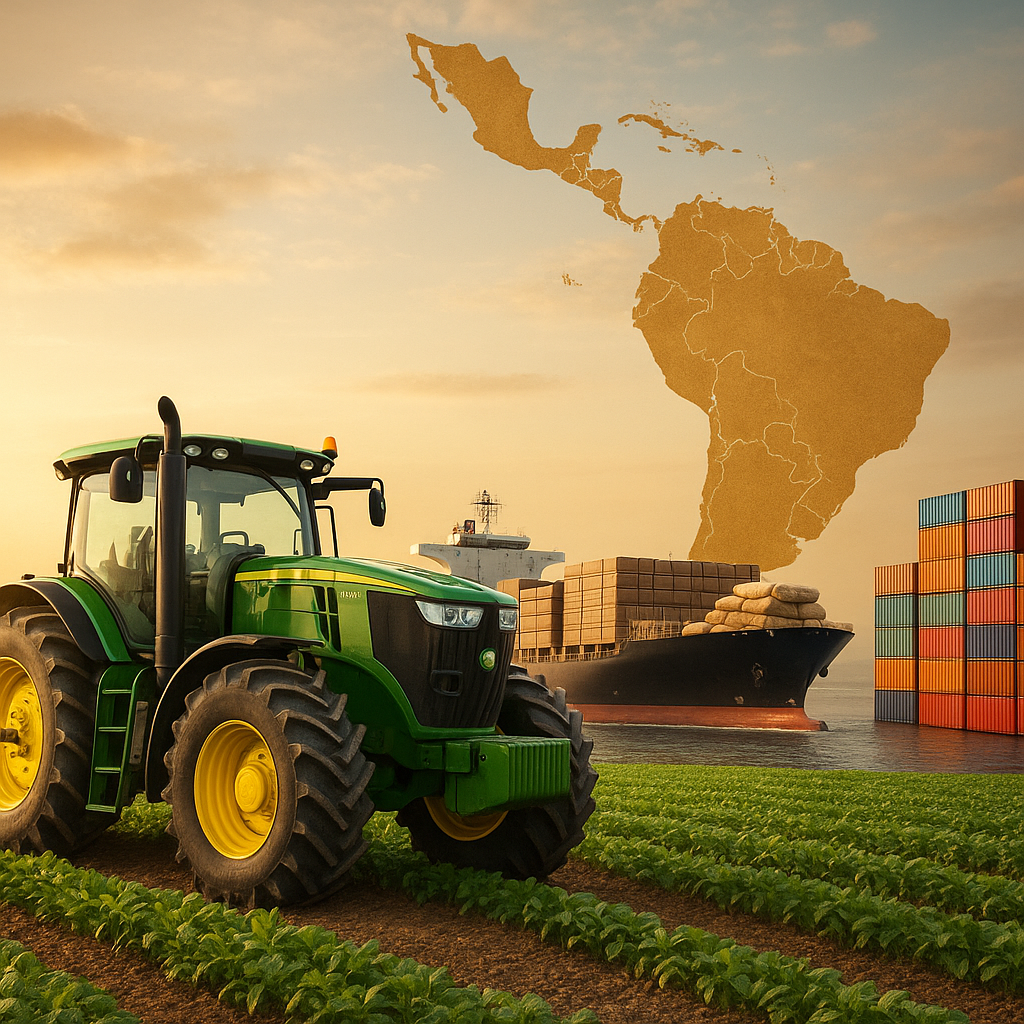
Latin America boasts a remarkable portfolio of agricultural commodities, ranging from soybeans and coffee to tropical fruits and livestock products. With vast arable lands spanning tropical, temperate, and high-altitude zones, the region has capitalized on comparative advantages to serve international demand. In recent decades, countries such as Brazil, Argentina, Chile, Peru, and Mexico have scaled up production, modernized logistics, and forged key partnerships, thereby reinforcing their footprints in global agriculture.
- Brazil stands as the world’s leading exporter of soybeans and sugar, driven by innovative farming practices and strong domestic investment.
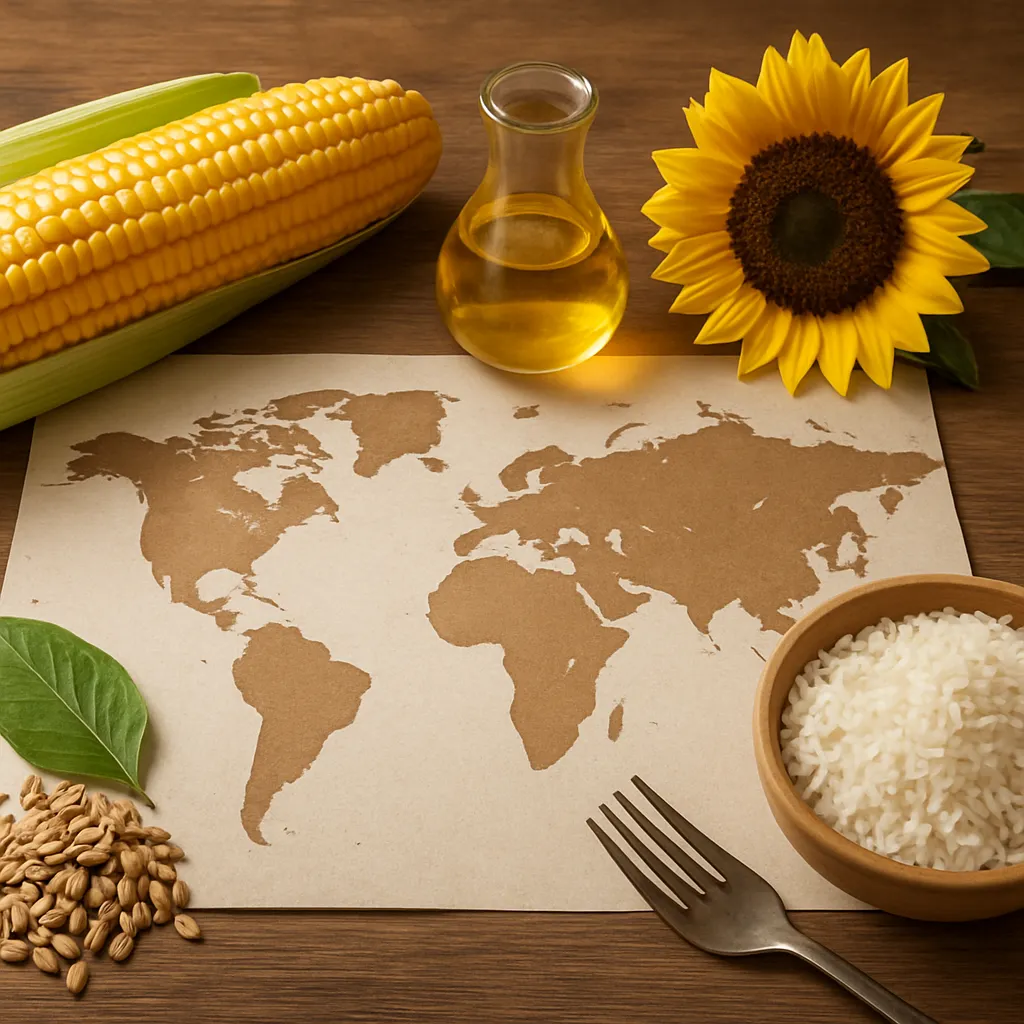
- Argentina holds a top position in wheat and sunflower oil shipments, benefiting from extensive plains ideal for mechanized cultivation.
- Chile dominates the fruit and wine sectors, leveraging advanced cold-chain infrastructure to maintain year-round market presence.
- Peru has emerged in the superfood segment, with quinoa, avocados, and blueberries attracting premium prices abroad.
- Mexico excels in horticultural products and livestock feedstocks, thanks to proximity to major North American markets.
Major Trends Shaping the Market
1. Expansion of Trade Agreements
Over the last decade, a wave of bilateral and multilateral pacts has opened new corridors for trade agreements. From MERCOSUR collaborations to Pacific Alliance initiatives, Latin American exporters have gained preferential access to key markets in Europe, Asia, and North America. These agreements often eliminate or reduce tariffs, streamline customs procedures, and establish phytosanitary standards, creating a more predictable environment for commodities exchange.
2. Diversification of Export Portfolios
While soy and coffee remain cornerstones, producers are diversifying into higher-value segments. Fresh fruits and vegetables, organic grains, and processed foods are gaining traction. This diversification reduces vulnerability to price shocks, as agribusinesses tap into niche markets demanding specialty products, such as cold-pressed oils, gluten-free grains, or sustainably farmed cocoa.
3. Growing Demand from Asia-Pacific
The Asia-Pacific region has become a crucial destination for Latin American agricultural goods. China’s insatiable appetite for soybeans, edible oils, and meat has reshaped supply chains. Meanwhile, Southeast Asian countries import significant volumes of fruits and coffee. Exporters are now adapting production cycles and improving quality certifications to meet stringent import regulations in these markets.
Regional Variations and Specializations
Although united by geography, Latin American countries exhibit distinct export profiles:
- Southern Cone (Brazil, Argentina, Uruguay): grain, oilseed, and beef giants with heavy mechanization and scale economies.
- Andean States (Colombia, Peru, Ecuador): fruit, coffee, cocoa, and cut flowers, benefiting from altitudinal diversity and fertile soils.
- Central America and Mexico: vegetables, tropical fruits, sugar, and ethanol, with strong integration into the North American supply chain.
- Caribbean nations: niche products like rum, spices, and seafood, alongside traditional sugar and banana exports.
These regional specializations underscore the importance of tailored policies. Investments in cold-chain logistics in Chile differ from feedlot enhancements in Brazil or greenhouse expansions in Mexico.
Challenges and Opportunities
Environmental and Sustainability Pressures
Deforestation, soil degradation, and water scarcity pose considerable threats. International buyers increasingly demand sustainability assurances, such as zero-deforestation commitments and traceability. Certification schemes like Rainforest Alliance and Fair Trade are becoming prerequisites for market access. Farmers face the dual task of boosting productivity while minimizing environmental footprints.
Infrastructure and Logistics Gaps
Poor road networks, outdated ports, and limited rail connectivity hamper export efficiency. Congestion at key terminals raises shipping costs and delays deliveries. Public-private partnerships are emerging to upgrade infrastructure, but long lead times and financing challenges persist. Improved multimodal transport solutions could cut transit times, enhance competitiveness, and reduce post-harvest losses.
Access to Finance and Smallholder Inclusion
While large agribusinesses attract capital more readily, smallholder farmers often struggle to secure credit for mechanization, quality inputs, or certifications. Advancements in fintech, microfinance, and cooperative models are bridging financing gaps. Empowering smallholders with capital and knowledge can expand output and foster rural development.
The Role of Technology and Innovation
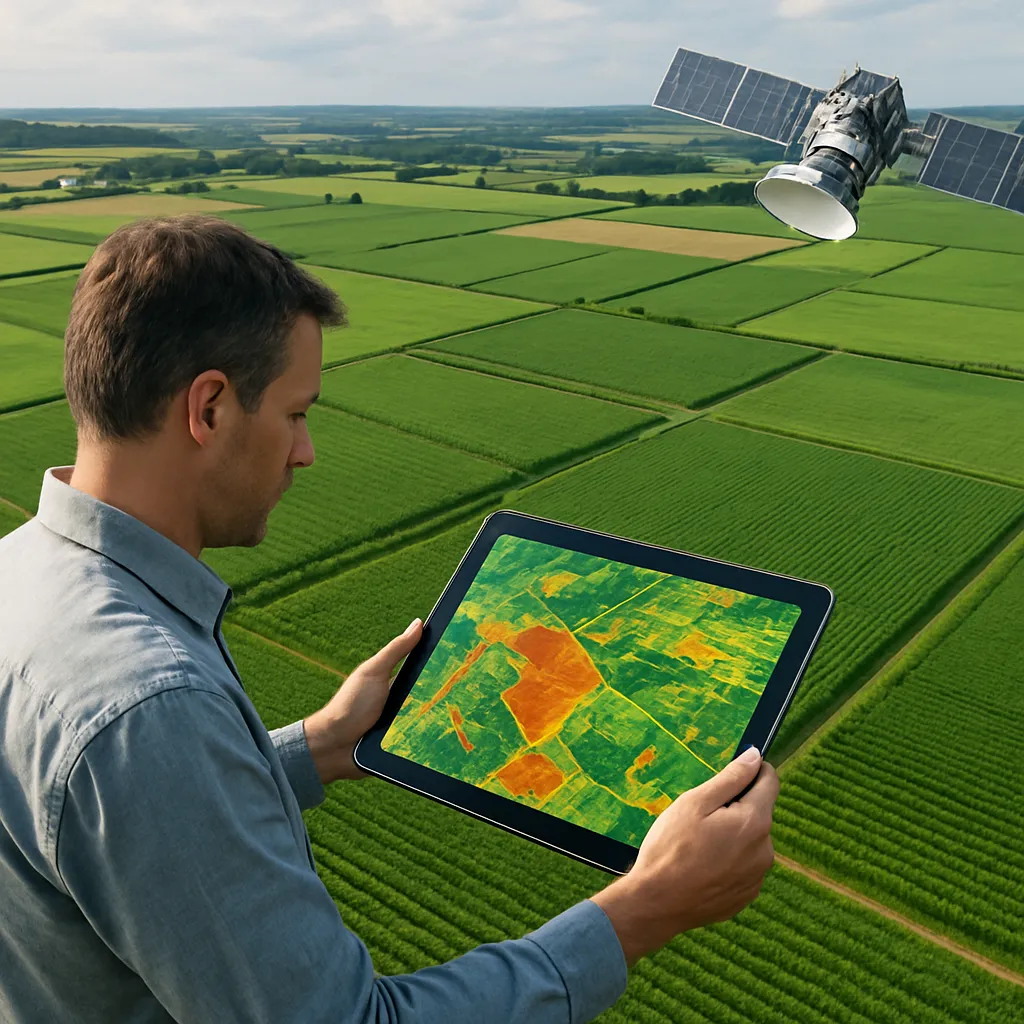
Technological adoption is revolutionizing Latin American agriculture. Precision farming tools—such as drone-based imaging, IoT-enabled soil sensors, and data analytics platforms—optimize resource use and enhance yields. Digital marketplaces connect producers directly with global buyers, bypassing intermediaries and improving margins.
- Biotechnology: Drought-tolerant and pest-resistant seeds reduce chemical usage and stabilize production under climate stress.
- Blockchain: Enhanced traceability systems ensure provenance tracking, build consumer trust, and facilitate compliance with import regulations.
- Automation: Mechanized harvesters, packing robots, and AI-driven logistics streamlining labor-intensive processes.
These innovations not only raise productivity but also align with the global push for responsible farming. The integration of renewable energy—solar irrigation pumps and bioenergy plants—further reduces carbon footprints.
Future Outlook for Latin American Agri Exports
Given ongoing investments in technology, infrastructure, and sustainability, Latin America is poised to strengthen its position in the global agricultural arena. Climate-smart practices and deeper market diversification will help buffer against volatility. Continued development of robust supply chains, coupled with supportive policy frameworks, promises to unlock new growth avenues, ensuring the region remains indispensable to world food security.