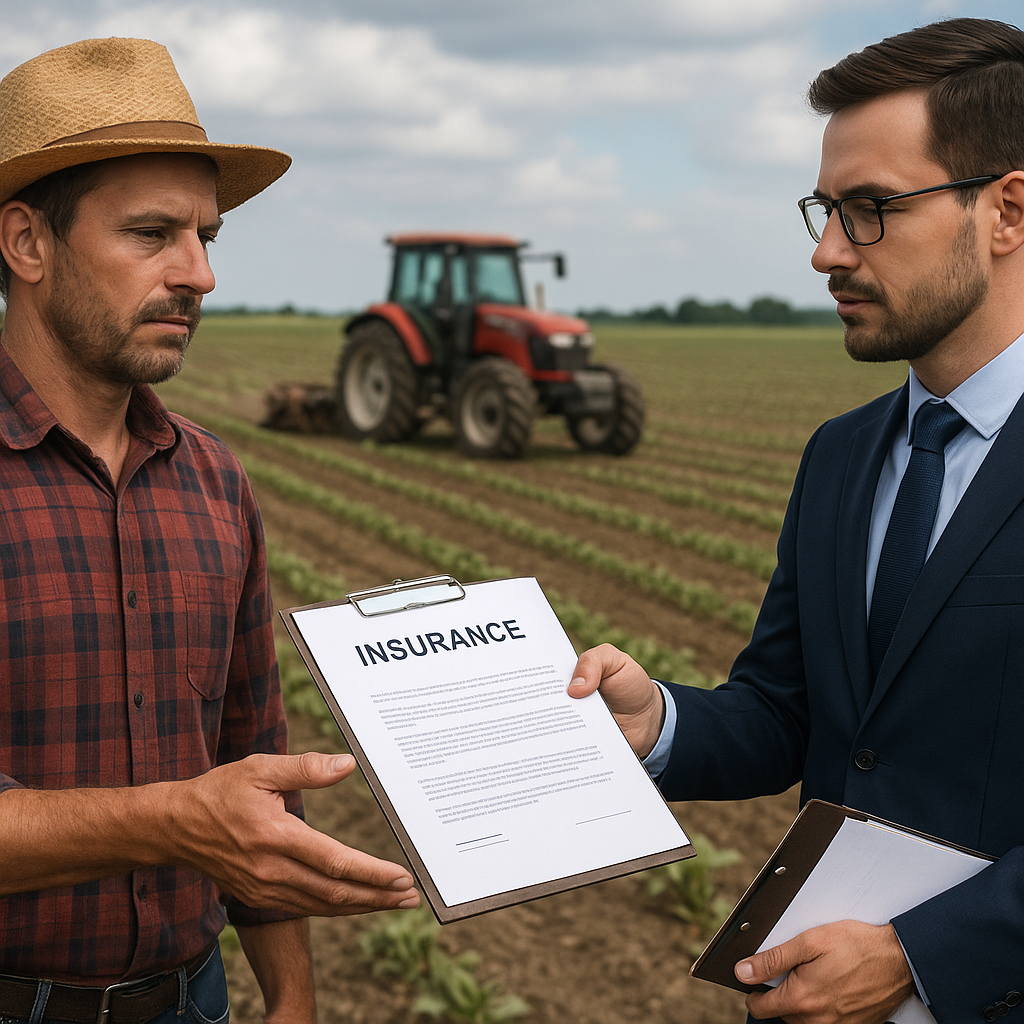
The agricultural sector faces a myriad of uncertainties ranging from unpredictable weather patterns to fluctuating commodity prices. As farmers and agribusinesses strive to protect their investments, insurance markets have evolved to offer more tailored solutions that address these emerging risks. This article examines how global insurance markets adapt to the unique challenges of agriculture, enhancing both financial stability and operational resilience across diverse farming systems.
Risk Assessment and Pricing Strategies
Effectively managing agricultural risks begins with accurate assessment and fair pricing. Insurers rely on a combination of historical data, predictive analytics, and real-time monitoring to design policies that reflect the true exposure of each policyholder. Key components include:
- Climate and Weather Modeling: Advanced meteorological models integrate decades of temperature, precipitation, and storm data to estimate the likelihood of adverse events such as droughts or floods.
- Satellite and Remote Sensing: High-resolution imagery tracks crop health, soil moisture, and vegetation indices, allowing underwriters to verify loss events and reduce moral hazard.
- Actuarial Analysis: Actuaries calculate the probability of yield shortfalls or price declines, setting premium levels that balance affordability for farmers with profitability for insurers.
By combining these elements, insurers can offer customized rates that account for region-specific factors such as soil quality, irrigation infrastructure, and historical pest outbreaks. Such granularity helps avoid cross-subsidization and encourages farmers to adopt risk mitigation practices.
Innovations in Coverage Models
Traditional indemnity-based policies, which reimburse actual losses after they occur, can be slow and costly to administer. To address these shortcomings, the industry has developed alternative solutions:
Index Insurance
Index insurance payouts are triggered by objective metrics—such as rainfall levels, temperature thresholds, or regional yield averages—rather than individual farm inspections. This model offers several advantages:
- Speed: Automated triggers eliminate lengthy claims processing.
- Transparency: Objective data reduce disputes over loss quantification.
- Affordability: Lower administrative costs translate into lower premiums.
Despite its benefits, index insurance faces basis risk—when a farmer’s actual loss differs from the index’s estimation. Ongoing research aims to refine indices by incorporating machine learning algorithms that correlate on-site measurements with remote data streams.
Parametric and Weather Derivatives
Parametric insurance pays out a predetermined amount when specified parameters are met, independent of actual losses. Weather derivatives, traded on commodity exchanges, allow stakeholders to hedge against temperature or precipitation fluctuations. These tools complement traditional policies by enabling risk transfer across broader financial markets.
Role of Technology and Data Analytics
Emerging technologies are transforming how insurers evaluate, underwrite, and manage agricultural risk:
- Blockchain Platforms: Decentralized ledgers ensure transparency and traceability of transactions, from policy issuance to claims settlement. Smart contracts automatically execute payouts when predefined conditions are satisfied.
- Internet of Things (IoT): Sensors deployed in fields monitor soil moisture, nutrient levels, and pest infestations in real time. Insurers can use this granular data to adjust coverage or incentivize on-farm risk reduction measures.
- Big Data and AI: Machine learning models analyze vast datasets—covering market prices, weather forecasts, and agronomic research—to identify emerging risk patterns. These insights support dynamic pricing and proactive loss prevention.
As digital platforms gain traction, stakeholders across the value chain—including brokers, reinsurers, and farmers—benefit from faster communication and improved data integrity. Enhanced connectivity also fosters peer-to-peer risk pools, enabling smallholder farmers to share risks among themselves with minimal overhead.
Global Cooperation and Regulatory Frameworks
Addressing agricultural risks often requires collective action beyond individual insurers:
Reinsurance and Risk Pools
By ceding portions of their risk to reinsurers, primary insurers can underwrite larger portfolios and absorb catastrophic losses without jeopardizing solvency. Multinational reinsurance programs spread exposure across diverse geographies, reducing the impact of localized disasters.
Public–Private Partnerships
Governments frequently collaborate with insurers to subsidize premiums or establish disaster relief funds. Such partnerships encourage wider coverage adoption and protect rural economies from financial collapse. Examples include index insurance programs in sub-Saharan Africa and crop insurance subsidies in North America and Europe.
Regulatory Support
Regulators play a crucial role in fostering a stable insurance environment. Measures include:
- Capital Adequacy Standards: Ensuring insurers maintain reserves to cover large-scale agricultural disasters.
- Data Sharing Mandates: Requiring public agencies to provide weather and yield statistics to insurers at minimal or no cost.
- Consumer Protection Laws: Safeguarding farmers from unfair contract clauses and ensuring transparent claims processes.
Effective regulation promotes innovation while maintaining market confidence. As climate risks intensify, regulatory frameworks must adapt to support emerging instruments like micro-insurance and parametric products.
Future Outlook: Towards Sustainable Risk Management
Insurance markets continue to evolve in response to both longstanding and novel risks in agriculture. Key trends to watch include:
- Integration of sustainability criteria into policy design, rewarding farmers for conservation practices that reduce environmental impact.
- Enhanced use of geospatial analytics to create hyper-local risk profiles, further lowering diversification costs and basis risk.
- Blockchain-enabled trading platforms facilitating secondary markets for agricultural risk, improving liquidity for insurers and reinsurers.
By leveraging cutting-edge technology and fostering collaboration among public and private stakeholders, global insurance markets are poised to support a more resilient agricultural sector. This evolution safeguards farmer incomes, promotes food security, and ensures that the global market for agricultural products can withstand the challenges of a changing world.