The global grain trade is a complex network shaped by shifting weather patterns, evolving consumer preferences, and strategic policy decisions. As countries navigate the delicate balance between food security and economic growth, analyzing the latest market trends reveals the forces driving export flows, price volatility, and innovation in the sector. This article delves into key aspects of supply chains, major trading partners, emerging technologies, and future challenges in the worldwide grain marketplace.
Global Supply and Demand Dynamics
Grain markets are fundamentally influenced by the interplay of supply and demand. On the supply side, major exporting nations such as the United States, Brazil, Russia, and Ukraine have historically dominated volumes of wheat, corn, and soybeans. Yet, unpredictable weather events — from droughts in the U.S. Midwest to floods in Eastern Europe — can swiftly disrupt harvests and trigger price spikes. Conversely, robust demand in populous countries like China, India, and Indonesia exerts continuous pressure on global stocks.
Seasonal Variability
The growing seasons of the Northern and Southern Hemispheres complement each other, ensuring a nearly year-round flow of grains into world markets. However, El Niño and La Niña phenomena can amplify seasonal swings. During El Niño years, for instance, Australian wheat production often falls below expectations, reducing shipments to Asia and lifting global prices.
Strategic Reserves and Stock Management
Many governments maintain reserves to cushion domestic markets against international fluctuations. China’s State Grain Reserves Administration adjusts storage levels regularly, drawing on intervention stocks to stabilize local prices. Similarly, the European Union’s grain stocks policy aims to maintain a balance between market orientation and supply security for farmers and consumers.
Major Exporters and Importers
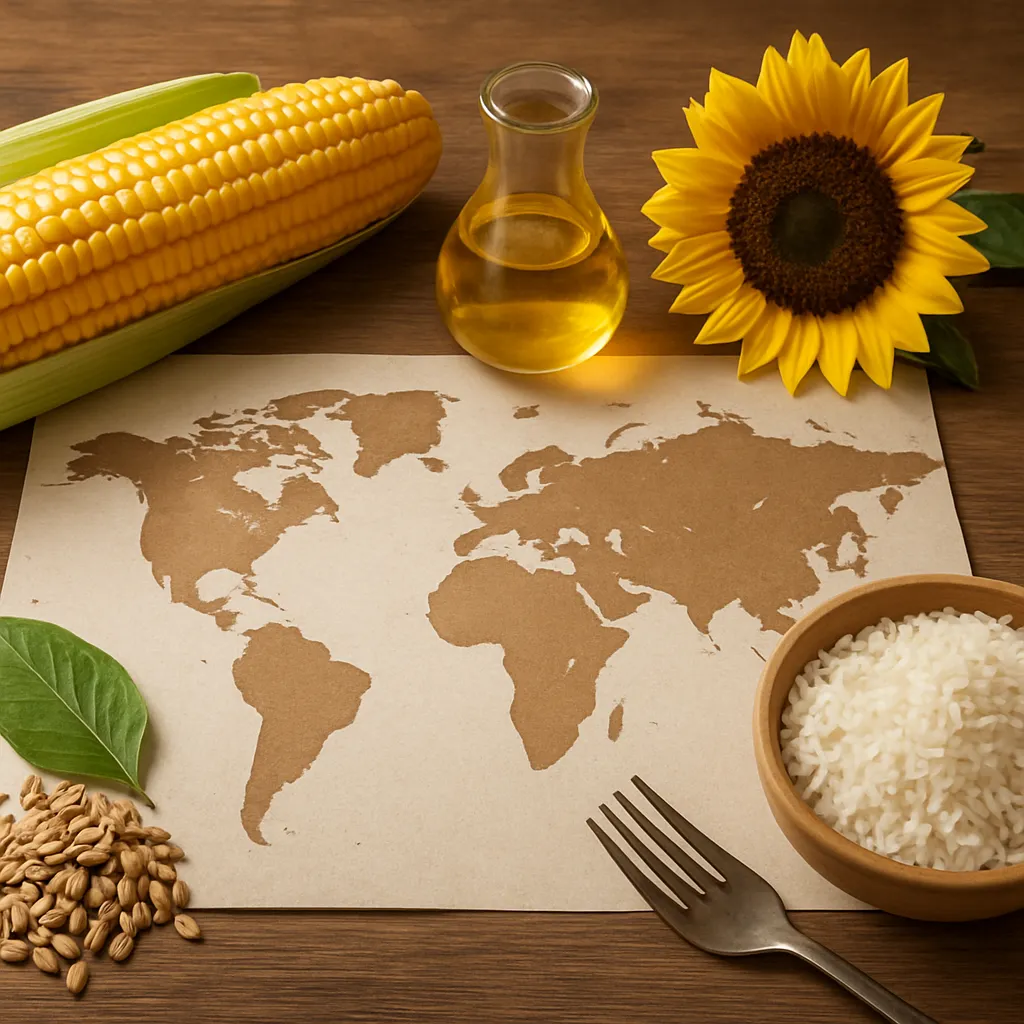
International grain trade exhibits a comparative advantage model, where specific regions specialize in certain commodities based on climate, soil fertility, and infrastructure. The following overview highlights top players in exports and imports.
- United States: Leading exporter of corn and soybeans, leveraging advanced farming technology and extensive logistics networks.
- Brazil: Rapidly rising in the soybean market thanks to expanded agricultural frontiers in Mato Grosso and Mato Grosso do Sul.
- Russia: Significant supplier of wheat to North Africa and the Middle East, with export corridors through the Black Sea ports.
- Argentina: Major source of soybean meal and corn for European and Asian feed industries.
- China: Although a substantial producer of rice and corn, it remains the world’s largest soybean importer to meet livestock feed demand.
- Egypt: Historically the world’s top wheat importer, dependent on Black Sea supplies for bread subsidies.
Trade Routes and Infrastructure
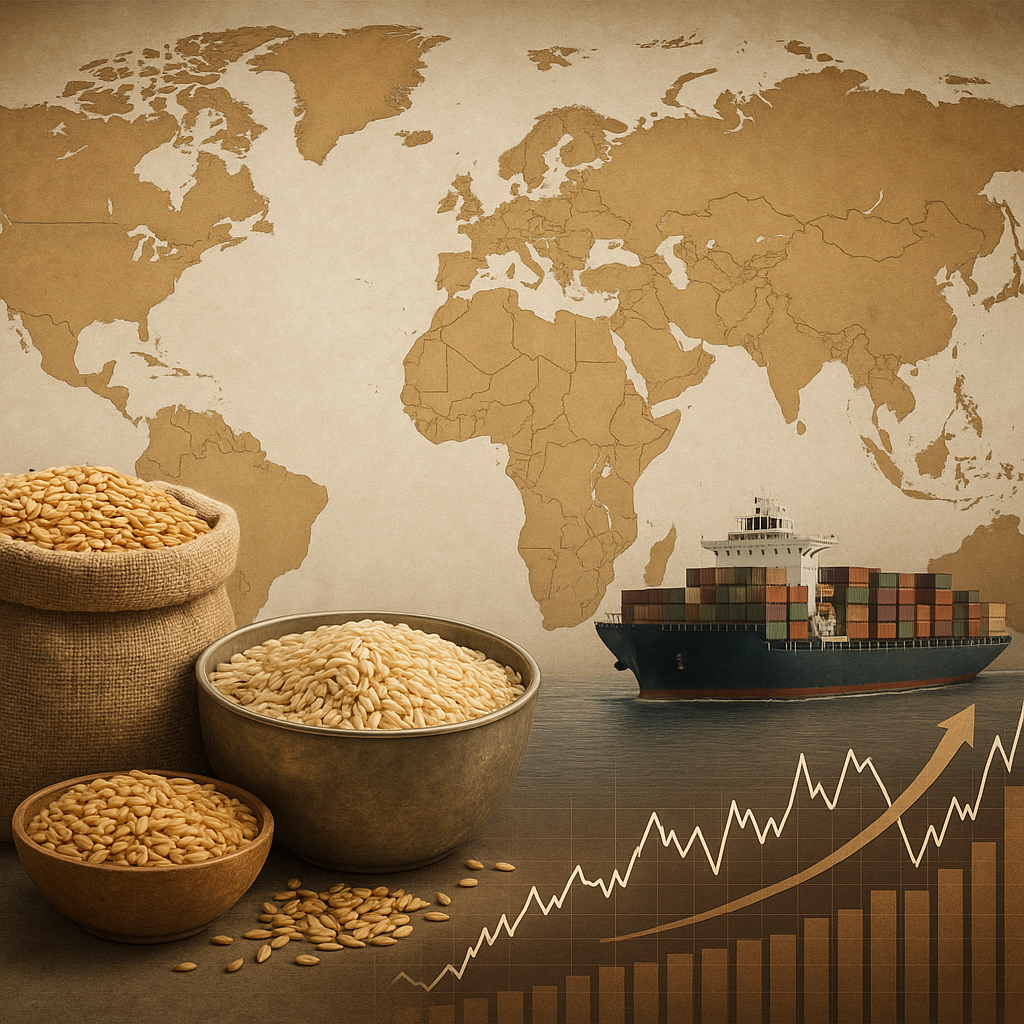
Port capacity upgrades, rail expansions, and inland waterways are pivotal to efficient grain exports. The New Panamax vessels calling on U.S. Gulf Coast ports handle enormous cargoes of corn bound for Asia, while the modernization of the Danube River ports bolsters Romania’s and Bulgaria’s roles in European wheat shipments.
Emerging Market Trends and Technological Innovations
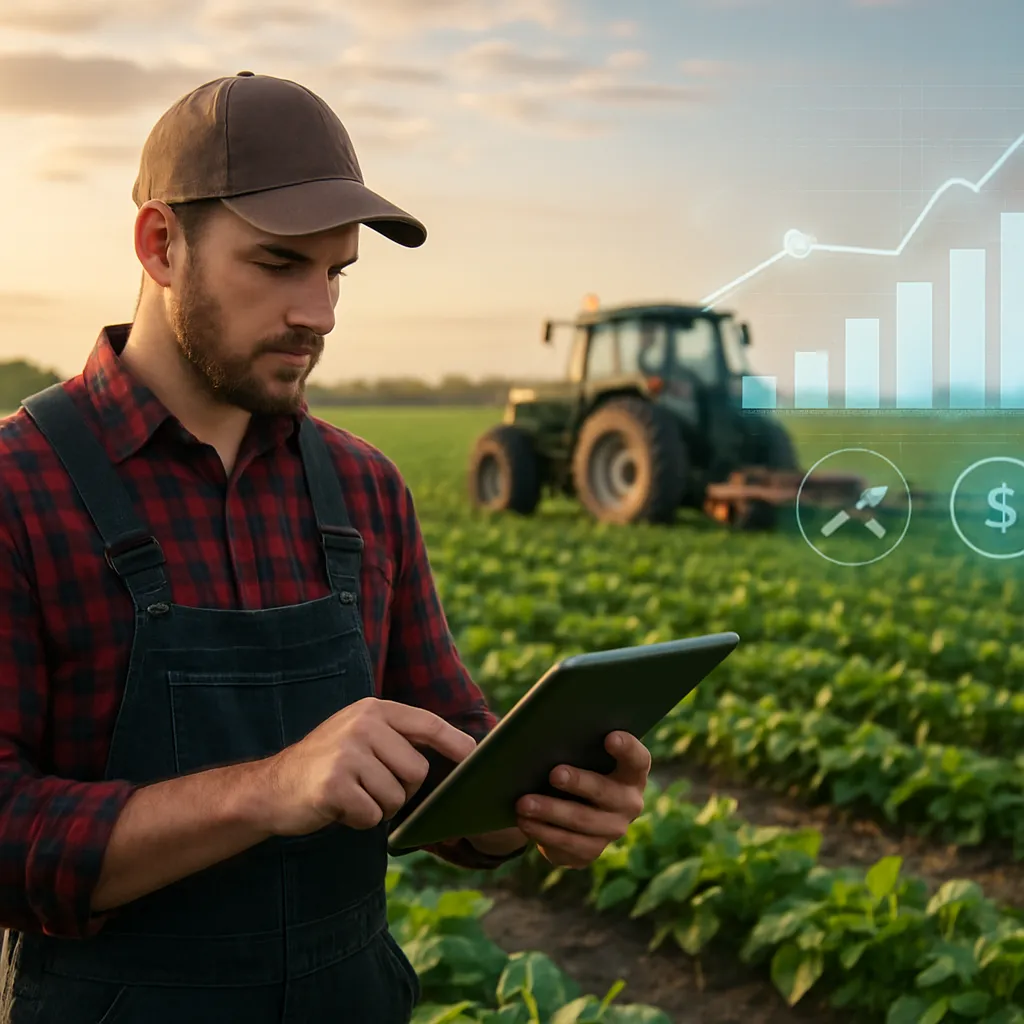
Rapid advancements in agritech and digital platforms are revolutionizing how grains are produced, traded, and consumed. Countries and private enterprises alike are investing in research to boost yields, reduce waste, and enhance transparency.
Precision Agriculture
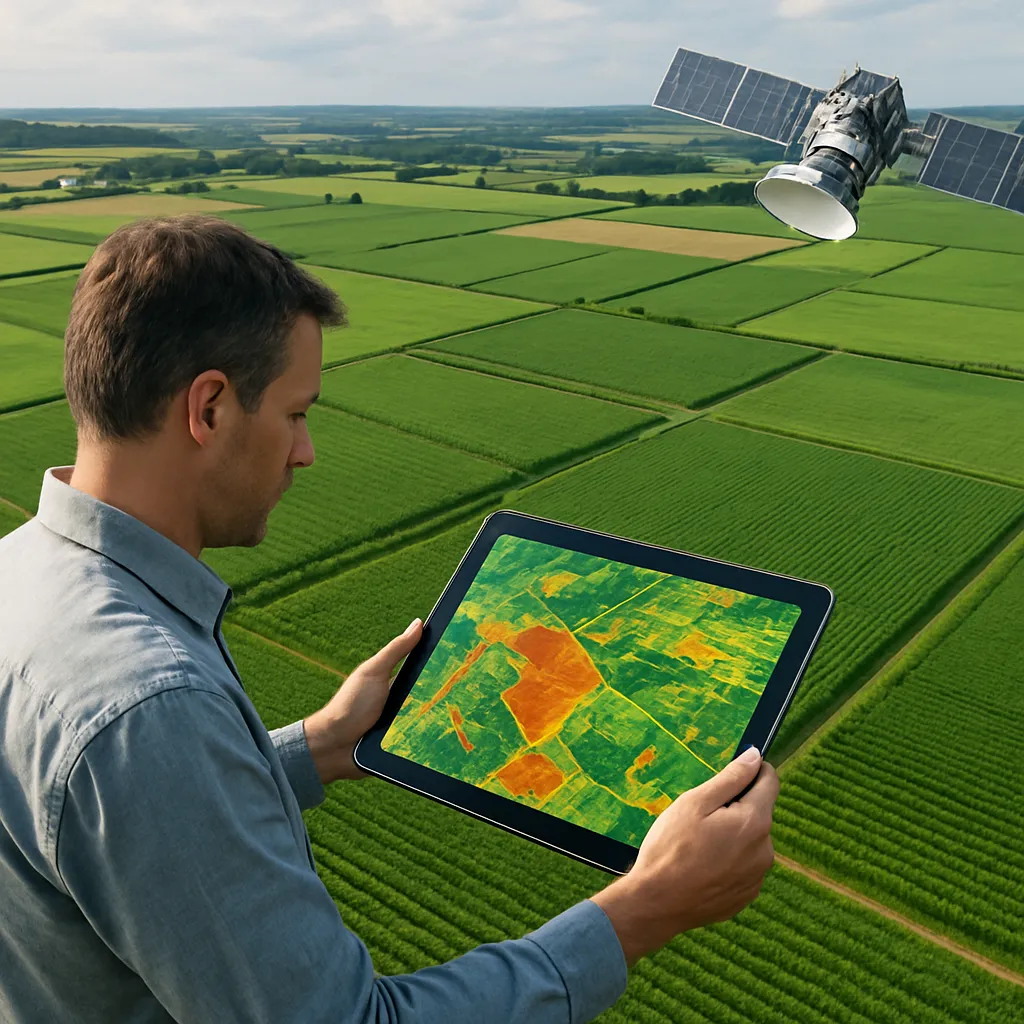
Satellite imagery, drones, and Internet of Things (IoT) sensors enable farmers to optimize irrigation and fertilizer usage. This innovation not only increases productivity but also supports sustainability goals by minimizing resource waste.
Blockchain for Supply Chain Traceability
Blockchain initiatives track grains from field to fork, ensuring verified origins and quality standards. Such systems empower end-users to verify non-GMO claims, fair trade certifications, and adherence to environmental guidelines.
Alternative Proteins and Demand Shifts
Growing interest in plant-based proteins and meat substitutes may alter future grain demand patterns. For instance, rising consumption of pea protein and chickpea derivatives could relieve pressure on soybean markets, leading to greater diversification in cropping systems.
Challenges and Future Outlook
Despite promising developments, the global grain trade faces multifaceted challenges. Climate change continues to threaten yield stability, prompting stakeholders to invest in climate-resilient seed varieties and adaptive farming practices. Moreover, geopolitical tensions and policy shifts—such as export restrictions or tariff adjustments—can rapidly reshape trade flows and price benchmarks.
- Climate volatility underscores the need for improved crop resilience and risk management strategies, including index-based insurance schemes.
- Trade disputes and protectionist frameworks disrupt established supply chains, compelling importers to seek alternative suppliers or bolster domestic production.
- Logistical bottlenecks at ports and railheads create grain backlogs, provoking local price distortions and increased food costs in importing nations.
- Investment in rural infrastructure and farmer training remains essential to addressing yield gaps in developing regions of Africa and Southeast Asia.
Looking ahead, a combination of public-private partnerships, technological adoption, and adaptive international regulations will be vital in ensuring a stable and equitable grain trade system. By fortifying supply chains, embracing technology, and fostering cooperative policy frameworks, the global community can navigate market shifts and enhance food security for billions worldwide.