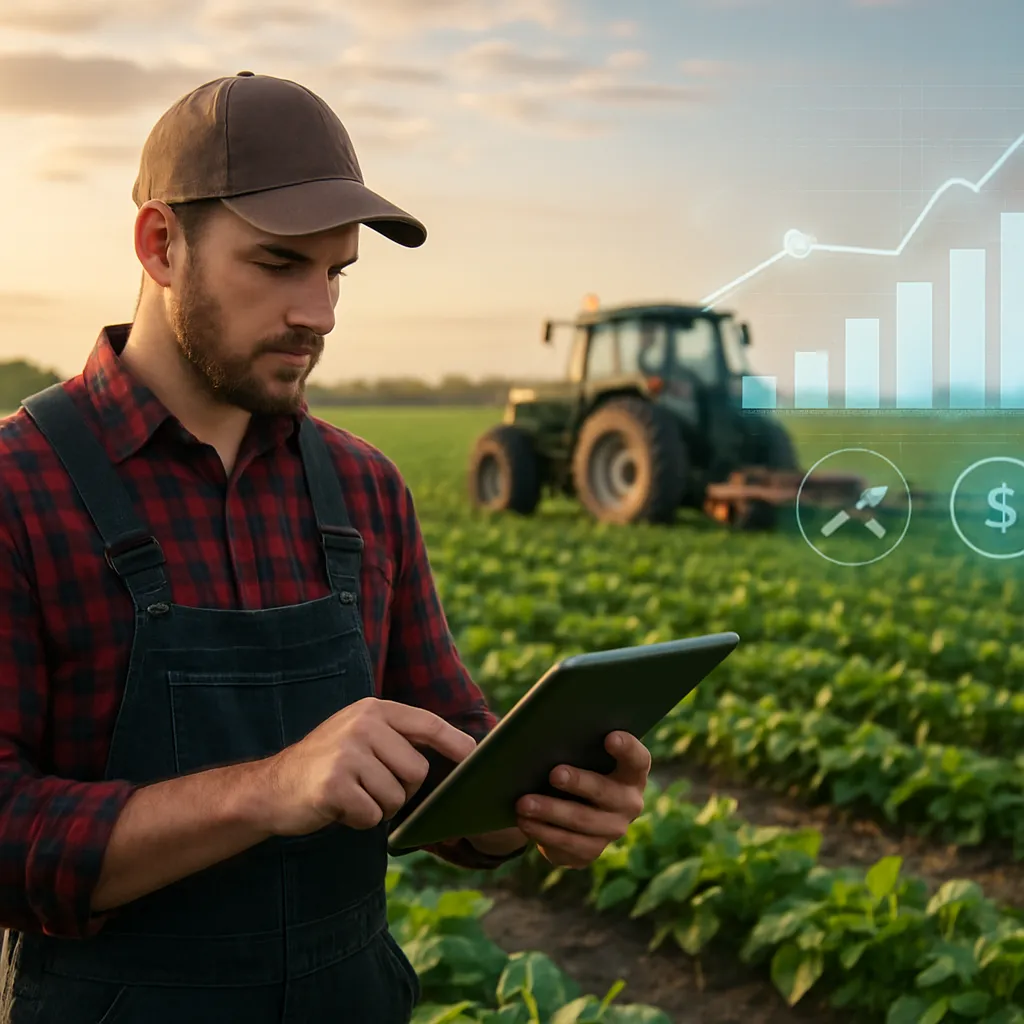
The integration of advanced technologies has reshaped how farmers predict crop performance, manage resources, and respond to environmental challenges. By leveraging cutting-edge computational methods, stakeholders in agriculture can now access more accurate forecasts, reduce waste, and drive economic growth in diverse markets around the world.
Advancements in AI Technologies for Crop Forecasting
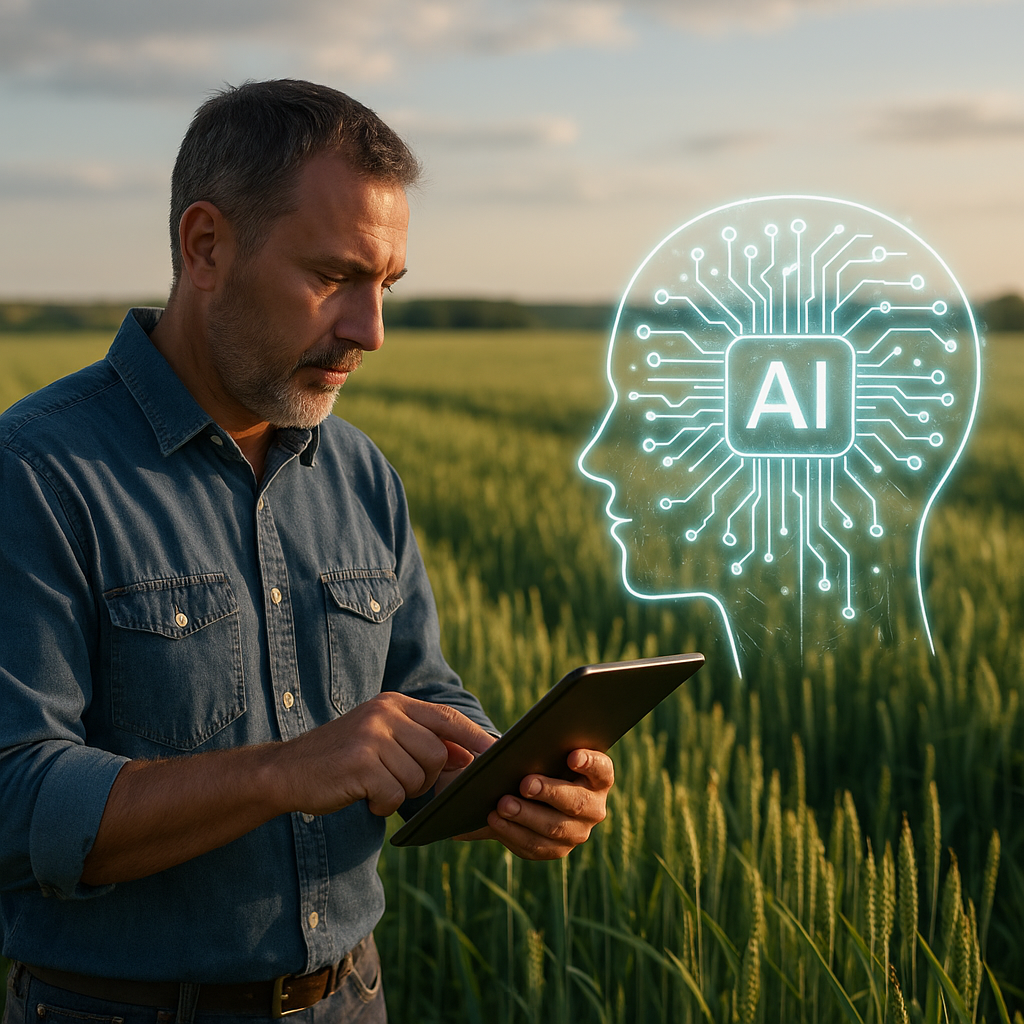
Innovations in agricultural technology have accelerated the adoption of AI-driven tools that analyze vast datasets. Modern platforms harness complex algorithms to process climate data, soil conditions, and historical yield records in real time. As a result, farmers and agribusinesses gain actionable insights to plan planting schedules and allocate resources more effectively.
Machine Learning Algorithms
At the core of many forecasting systems are machine learning models trained on multi-year agricultural datasets. These models recognize patterns in temperature fluctuations, precipitation trends, and pest outbreaks. Techniques such as neural networks and decision trees enable predictive modeling that adapts to each season’s unique variables. By continuously refining their parameters, these algorithms improve the precision of yield estimates and risk assessments.
Satellite and Drone Imagery
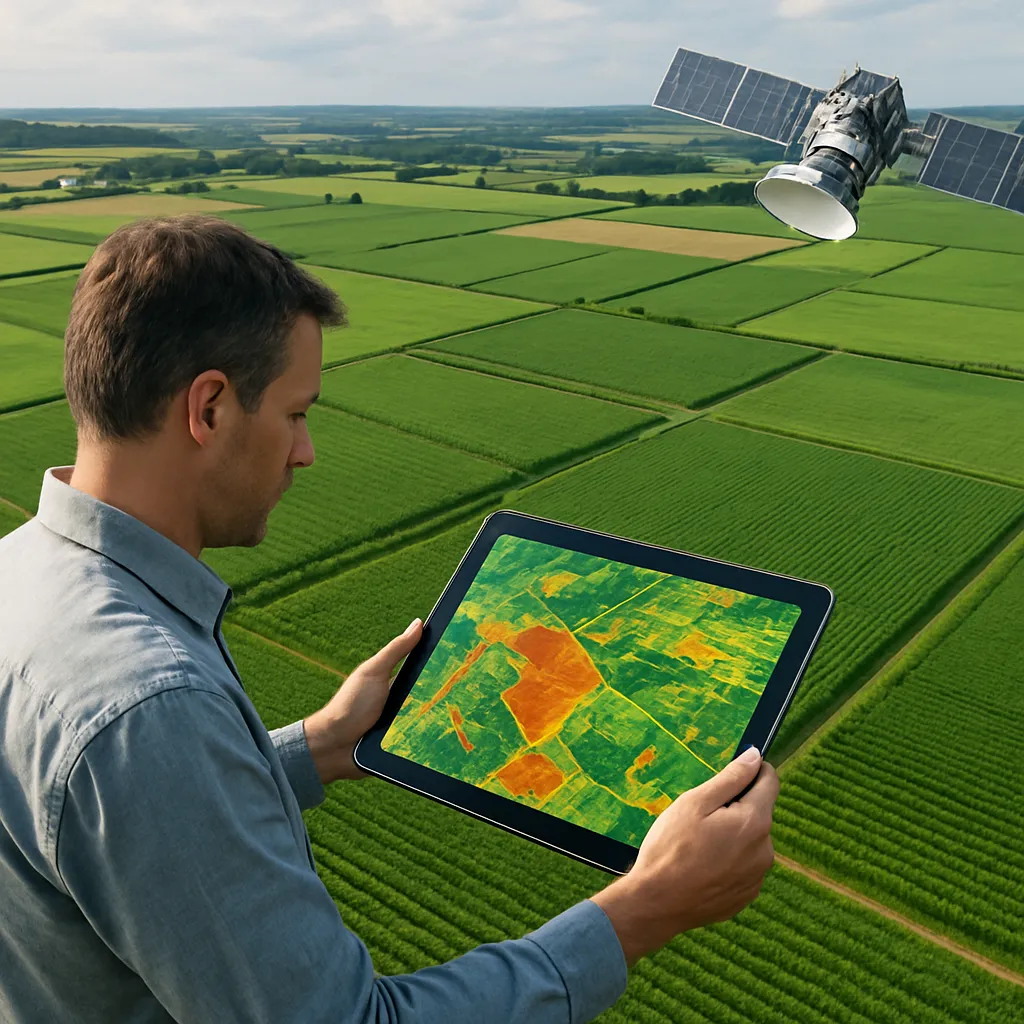
Remote sensing technologies provide high-resolution aerial views of crop health and field conditions. Through multispectral imaging and thermal sensors, stakeholders monitor plant vitality and detect water stress before it becomes visible to the naked eye. Such use of satellite imagery combined with image processing algorithms allows for near real-time adjustments in irrigation and fertilization strategies, ultimately boosting productivity.
IoT and Sensor Networks
The proliferation of IoT devices has transformed fields into interconnected data hubs. Soil moisture probes, weather stations, and nutrient sensors feed continuous streams of information to central platforms. Advanced data analytics then translate this raw input into user-friendly dashboards, enabling growers to respond to anomalies instantly. This seamless integration ensures that inputs are used only where and when they are needed.
Impact on Global Agriculture Market
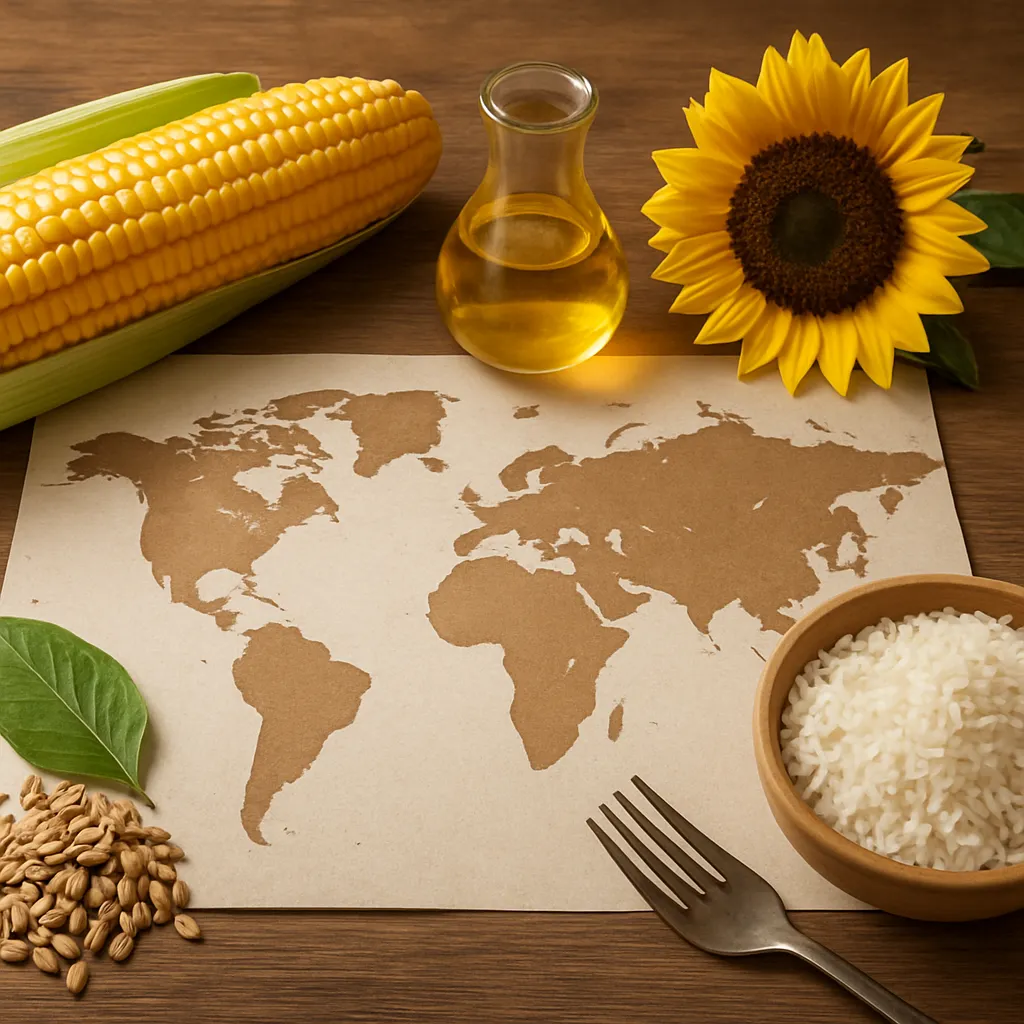
The rise of intelligent forecasting systems has significant implications for the worldwide trade of agricultural commodities. Enhanced yield predictions stabilize supply chains, reduce price volatility, and strengthen market confidence. Exporters and importers benefit from transparent insights into crop outlooks, enabling them to negotiate contracts with greater certainty and minimize financial risks.
- Enhanced precision agriculture techniques lower operational costs by targeting specific field areas.
- Improved logistics planning optimizes storage and transportation of perishable goods.
- Data-driven decision making boosts competitiveness among smallholders and large-scale producers alike.
Additionally, international development agencies leverage AI-powered forecasts to allocate aid and resources more effectively during humanitarian crises triggered by droughts or floods. By predicting harvest shortfalls, governments can preemptively secure food supplies, reducing the likelihood of famine and social unrest.
Challenges and Future Directions
Despite its transformative potential, the integration of AI in agriculture faces several hurdles. Ensuring that emerging technologies deliver on their promises requires addressing concerns around data quality, infrastructure, and equitable access. Collaborative efforts between technology providers, policymakers, and farming communities will shape the next wave of innovations.
Data Privacy and Security
As agricultural datasets grow in volume and complexity, protecting sensitive information becomes paramount. Farmers may hesitate to share field-level data without robust safeguards against misuse. Establishing clear policies on data ownership and implementing advanced encryption protocols will build trust and encourage wider participation in digital platforms.
Scalability and Accessibility
Bridging the digital divide is essential for smallholder farmers, especially in developing regions. Low-cost sensors, offline-capable mobile applications, and community training initiatives can democratize access to AI-driven tools. Emphasizing sustainability and user-friendly interfaces will foster long-term adoption and support diverse cropping systems.
Climate Adaptation and Resilience
Future forecasting models will need to account for rising climate variability. By integrating climate projections with on-field observations, stakeholders can enhance climate resilience strategies. Scenario planning tools will empower decision makers to evaluate mitigation measures—such as drought-tolerant seed varieties or revised planting calendars—before unfavorable conditions materialize.
As the agriculture sector continues to embrace digital transformation, the synergy between human expertise and intelligent systems promises to redefine crop forecasting. The widespread adoption of these innovations will be critical to meeting global food demands while safeguarding environmental health and economic stability.