The Future of Climate-Resilient Crops focuses on how breakthroughs in plant science and agronomy will transform the agricultural sector worldwide. Embracing innovation and cutting-edge technology, researchers and farmers are collaborating to develop varieties that can thrive under extreme weather events driven by climate change. This article examines the key drivers shaping the supply chain, investment opportunities, and the strategic approaches nations and companies employ to secure food systems against mounting environmental challenges.
Breeding Innovations and Genomics
Rapid progress in molecular biology and high-throughput phenotyping is fueling a revolution in crop improvement. Traditional cross-breeding is now complemented by gene editing tools and computational modelling to speed up the release of robust varieties.
Precision Breeding
- CRISPR-Cas systems to introduce single-gene traits for drought tolerance.
- Marker-assisted selection accelerating identification of favorable alleles.
- Genomic selection models predicting plant performance under stress.
Phenotyping and Big Data
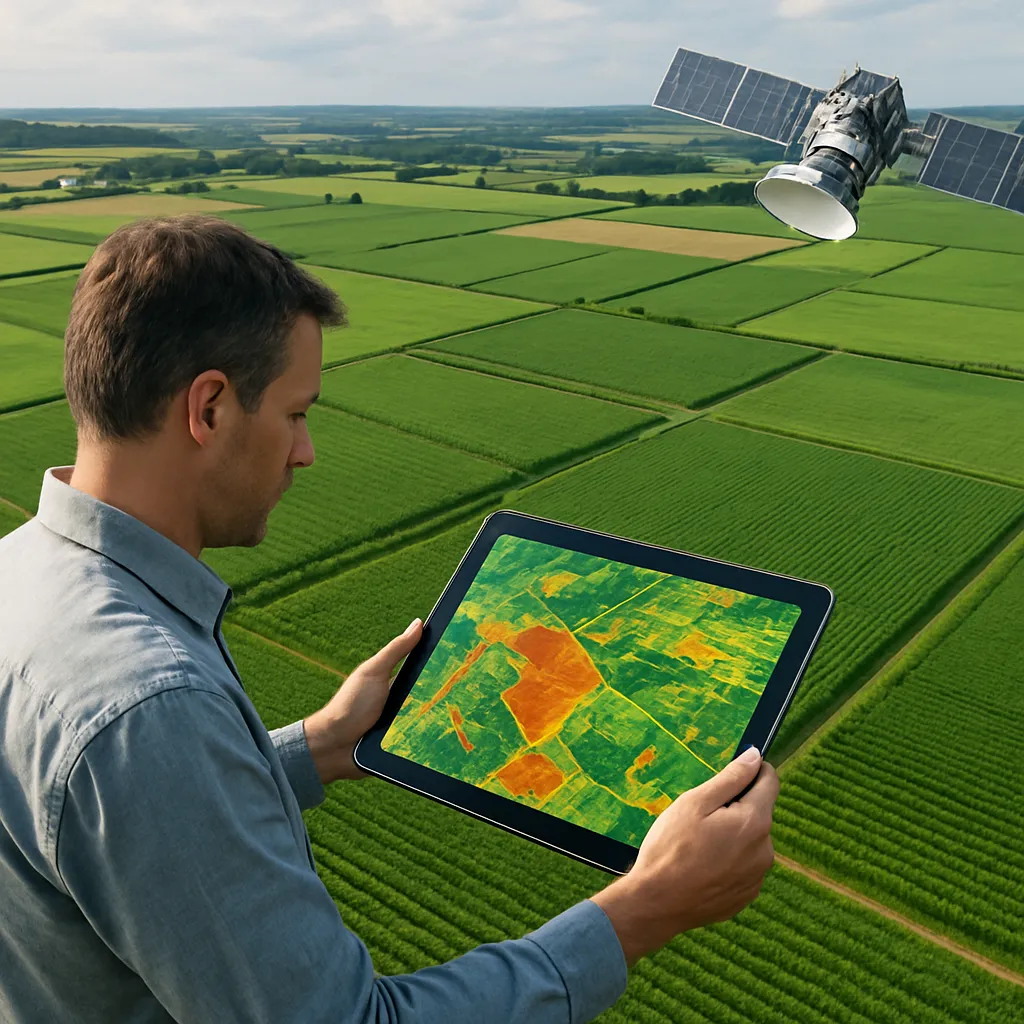
Remote sensing platforms monitor plant health in real time, collecting petabytes of imagery and environmental metrics. Advanced algorithms analyze this data to reveal genetic markers associated with improved yield and stress resistance.
Genomics companies are forming partnerships with seed producers to integrate multi-omics datasets—combining transcriptomics, proteomics, and metabolomics—to create a holistic profile of plant response. This synergy accelerates the discovery of genes responsible for key traits like salinity tolerance and heat resilience.
Market Trends Shaping Crop Adoption
The global demand for climate-smart crops is influenced by consumer preferences, regulatory incentives, and the investment landscape. Stakeholders must navigate evolving global market dynamics to capitalize on emerging opportunities.
Consumer-Driven Demand
- Rising awareness of sustainable agriculture drives buyers toward responsibly bred varieties.
- Retailers pledge to source ingredients from farms employing water-efficient and carbon-neutral practices.
- Private labels feature product lines highlighting environmental stewardship.
Policy and Incentive Frameworks
Governments worldwide are offering subsidies and tax credits for the adoption of drought-resistant and heat-tolerant seeds. This policy climate incentivizes seed companies to invest in advanced breeding pipelines and fosters public-private collaborations that share risk and cost.
- Carbon markets reward farmers for adopting regenerative practices linked to resilient varieties.
- International bodies fund pilot projects in climate-vulnerable regions.
- Trade agreements increasingly incorporate agricultural sustainability clauses.
Technological Integrations and Future Outlook
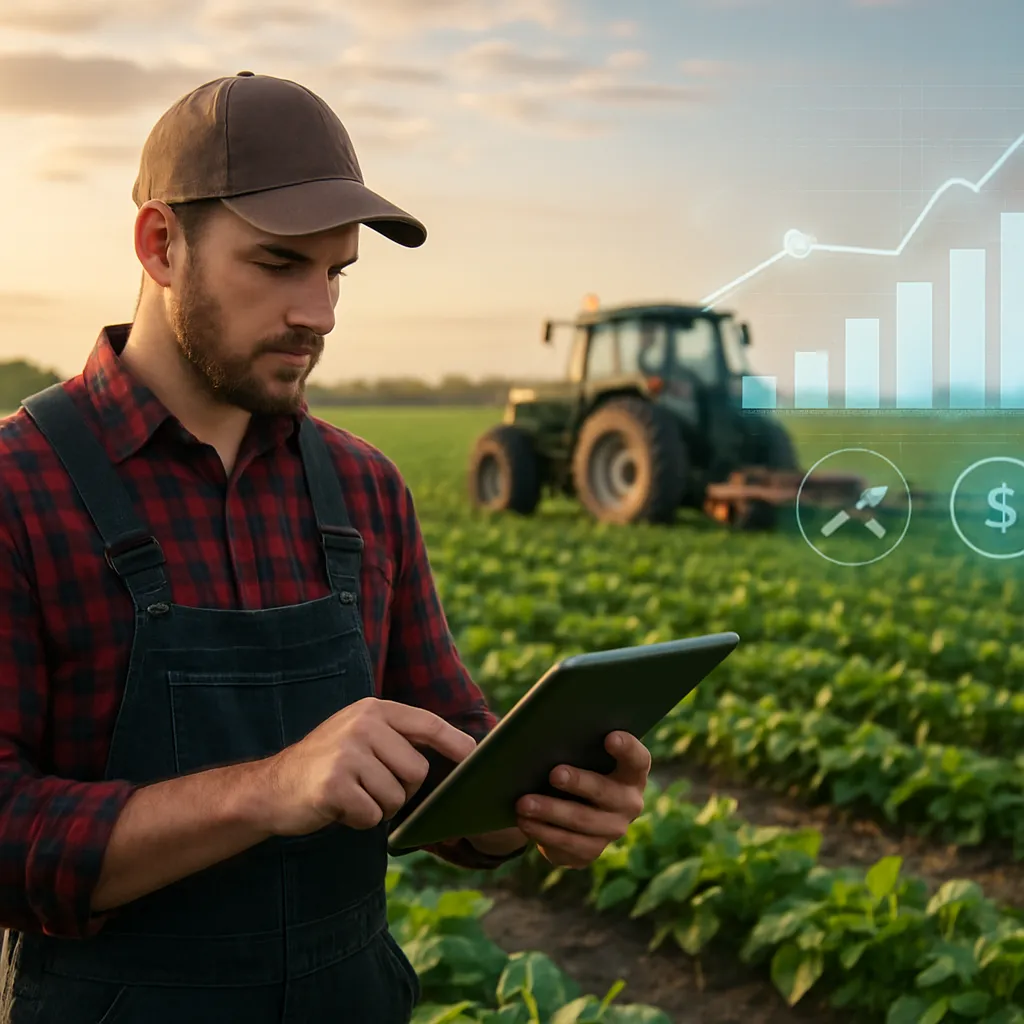
In the next decade, the convergence of digital agriculture and novel crop genetics will redefine best practices on the farm. Enhanced connectivity and data analytics will optimize inputs, reduce waste, and raise productivity under unpredictable climatic conditions.
Smart Farming Ecosystems
Internet of Things (IoT) devices, such as soil moisture sensors and weather stations, sync with farm management software to deliver real-time recommendations. These systems enable precision irrigation and nutrient applications, maximizing the benefits of sustainability initiatives.
Artificial Intelligence and Predictive Modelling
AI-driven tools forecast disease outbreaks and pest pressures based on environmental data. They suggest crop rotations and varietal mixes that bolster field-level resilience and minimize chemical usage. Machine learning models, trained on historical yields and climate patterns, can predict optimal planting dates for stress-prone zones.
International Collaboration and Capacity Building
Knowledge transfer programs train smallholder farmers in best practices for integrating resilient seeds with conservation agriculture. Capacity building efforts emphasize locally adapted solutions, ensuring varietal performance aligns with regional needs in water-scarce or flood-prone areas.
- Joint research centers unite scientists from multiple continents to accelerate trait discovery.
- Mobile apps provide extension services, delivering agronomic advice in local languages.
- Public databases share open-source genetic materials under equitable access agreements.
Ultimately, the synergy of cutting-edge breeding techniques, supportive policies, and digital tools will secure food production systems against the growing threats posed by extreme weather events. By harnessing the power of innovation and maintaining a focus on farmer empowerment, the agricultural industry can meet future challenges head-on, ensuring stable supplies of staple crops for generations to come.