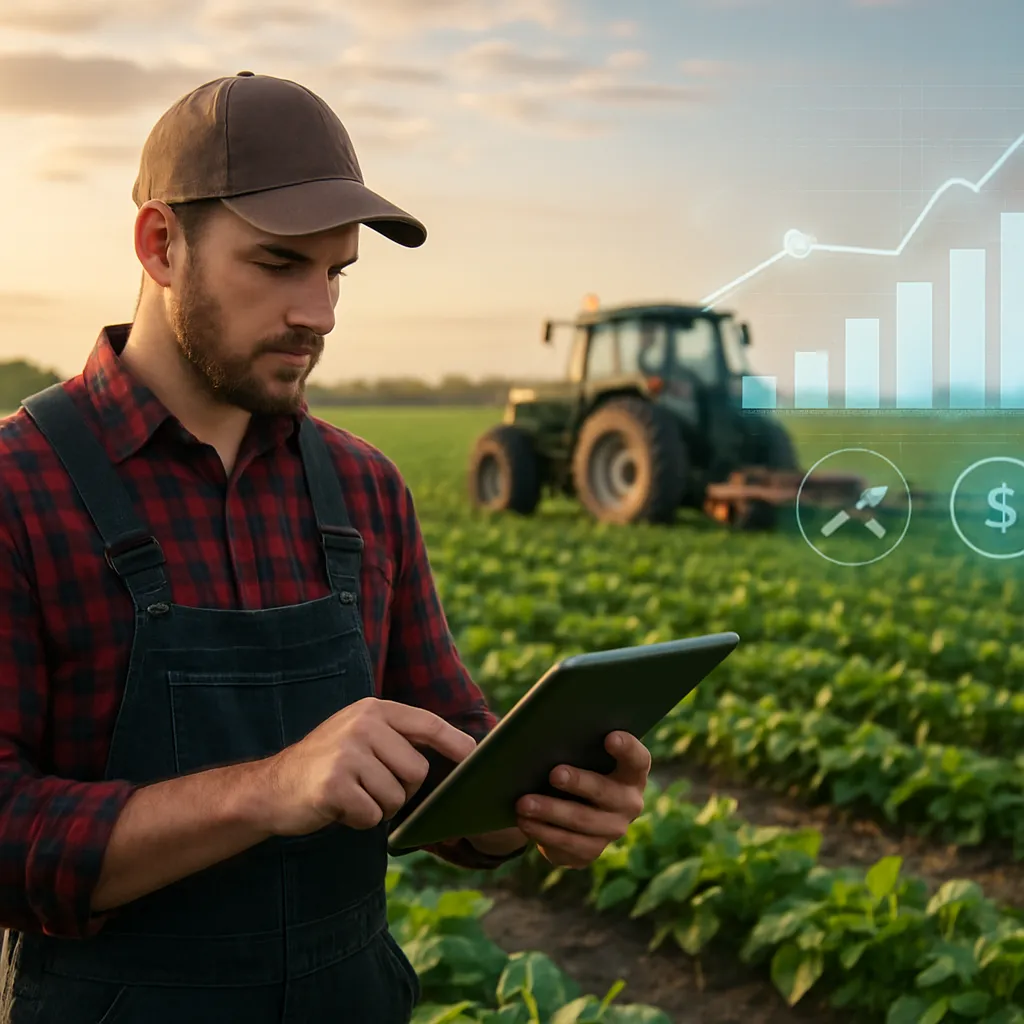
The expansion of **robotics** and **AI** in agriculture is reshaping how food is produced and distributed worldwide. As farms grow larger and consumer demand rises, the integration of automated systems offers opportunities to boost **precision**, cut labor costs, and enhance **efficiency**. This article examines the leading trends in farm automation, the shifting **investment** landscape, regional disparities in adoption, and the potential for technology to drive **sustainability** on a global scale.
Technological Innovations Driving Farm Automation
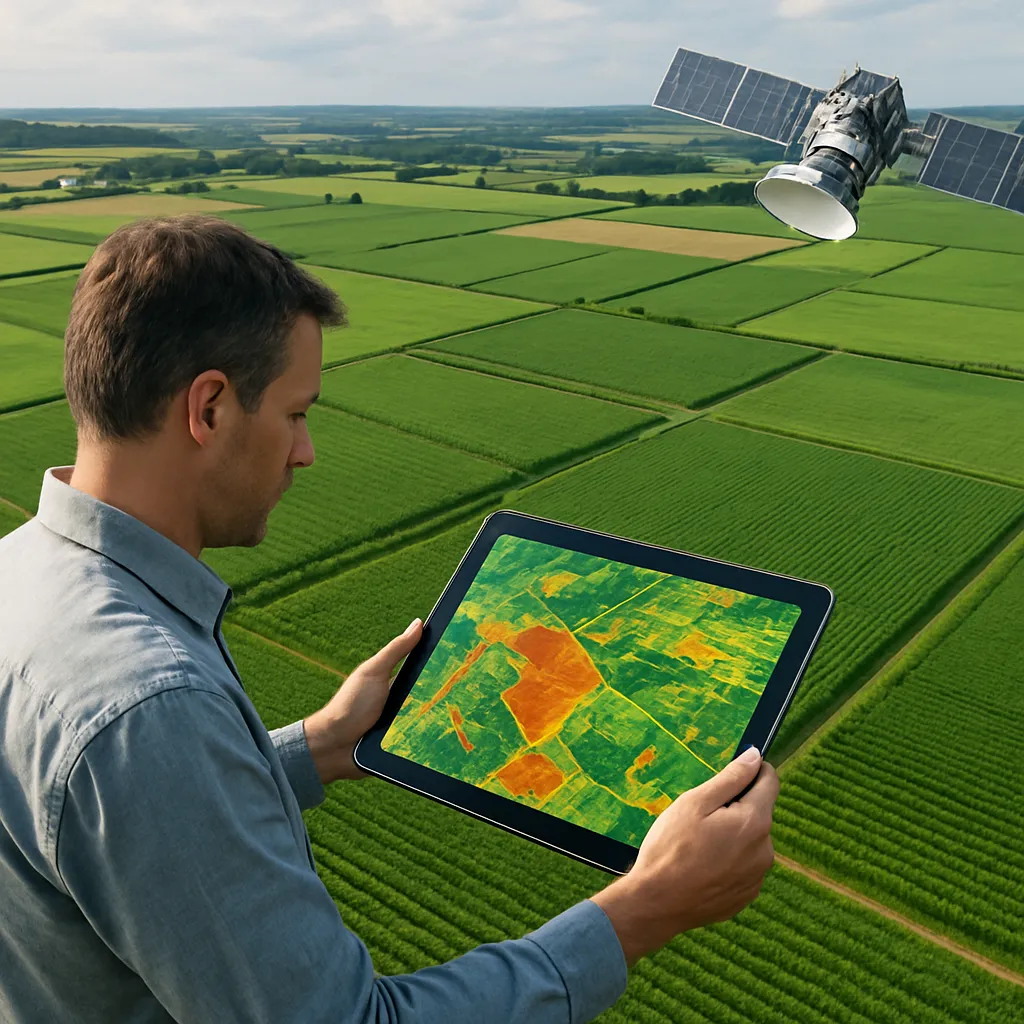
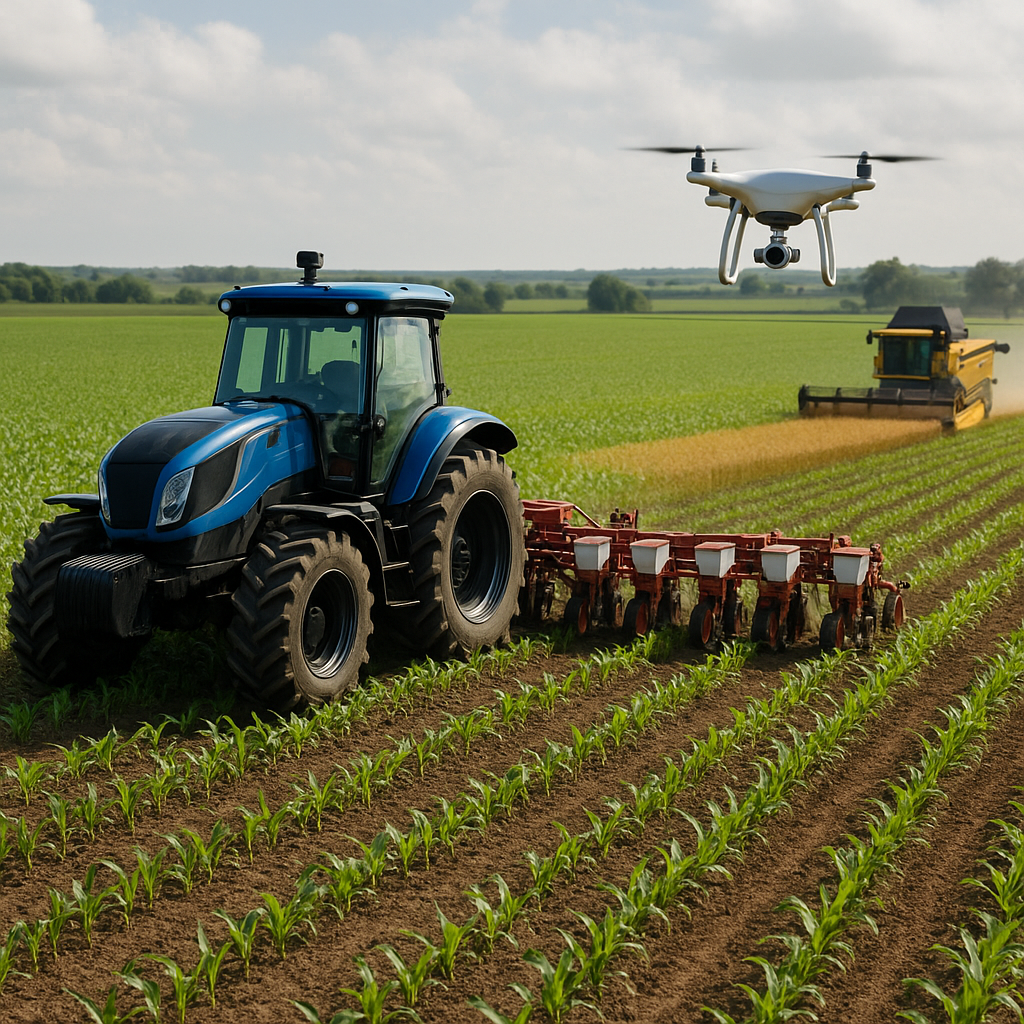
Farm machinery manufacturers and technology startups are racing to deliver advanced solutions. Automated tractors, sprayers, and harvesters equipped with GNSS guidance systems and machine vision are at the forefront. On-field drones collect high-resolution imagery, while ground-based robots handle tasks such as weeding, seeding, and fruit picking. Incorporating a network of soil moisture and nutrient **sensor** arrays, these platforms generate real-time **data** streams that enable farmers to apply inputs more precisely.
Key developments include multi-purpose robotic platforms capable of switching between tasks via modular attachments. Companies leverage deep learning algorithms to identify weeds versus crops, allowing spot-spraying rather than blanket chemical applications. Fully automated greenhouses use environmental controls and conveyor systems to optimize growth cycles, reducing reliance on seasonal labor. Integration of Internet of Things (IoT) devices and cloud computing ensures seamless connectivity and analytics, fostering decision-making based on predictive modeling and trend analysis.
Autonomous Machinery and Equipment
- Self-driving tractors with adaptive route planning
- Robotic harvesters for delicate crops such as berries and grapes
- Precision sprayers targeting pests and diseases
- Soil-tilling robots capable of inter-row cultivation
- Sorting and packing automata in post-harvest facilities
Global Market Dynamics and Investment Trends
According to recent market reports, the global farm automation sector is projected to grow at a CAGR exceeding 12% over the next decade. Major agricultural economies, including the United States, China, and members of the European Union, account for the lion’s share of market revenue. Significant **investment** from venture capital firms and public-private partnerships has fueled innovation and enabled emerging companies to scale rapidly.
Large agrochemical and equipment producers have accelerated mergers and acquisitions, acquiring AI startups and sensor manufacturers to build end-to-end solutions. Government-backed incentive programs in regions like North America and Asia-Pacific facilitate adoption by subsidizing the purchase of automated machinery. In contrast, in parts of Latin America and Africa, market growth hinges on localized financing models and co-operatives that combine resources for shared equipment use.
Funding and Strategic Alliances
- Global R&D alliances between universities and agritech firms
- Corporate investment in smart farming platforms
- Public grants focused on reducing carbon emissions in agriculture
- Acquisition of precision agronomy startups by legacy equipment manufacturers
- Joint ventures facilitating technology transfer in developing economies
Regional Adoption and Challenges
Disparities in farm size, labor availability, and infrastructure quality drive uneven adoption of automated systems. In countries such as Australia and Canada, where average farm sizes are large and labor is scarce, fully autonomous machinery is gaining traction. Conversely, in regions characterized by smallholder plots, high capital costs and technical complexity pose obstacles to implementation.
Africa faces unique hurdles: limited **connectivity**, sporadic electricity, and shortage of technical support. However, mobile-based advisory services and solar-charged sensor kits are creative solutions tailored to these conditions. In Southeast Asia, where rice paddies and mixed cropping dominate, water management robots and drone-based fertilizer application are seeing growing use.
Latin American nations leverage co-operative models, sharing **investment** costs among farmers to deploy centralized pelletizers, dryers, and drones. In Eastern Europe, consolidation of land holdings and modernization programs is expected to accelerate adoption of automated sprayers and harvesters over the next five years. Regulatory environments also play a role; clear safety standards for autonomous vehicles encourage faster market entry.
Future Outlook and Sustainability Implications
As environmental concerns intensify, automation can support more **sustainable** agricultural practices. Precision application of water, fertilizers, and pesticides minimizes runoff and reduces greenhouse gas emissions. Integrating cover-crop seeding robots and strip-till devices helps maintain soil health and prevent erosion. Automated monitoring systems detect early signs of plant stress, enabling targeted interventions that protect biodiversity.
Emerging trends point toward convergence of robotics, biotechnology, and data-driven agronomy. CRISPR-enhanced crops might be paired with drones that monitor gene expression in the field, informing breeding decisions. Blockchain-based supply chains could trace produce from seed to store shelf, ensuring transparency and food safety. Additionally, edge computing solutions will allow critical analytics to run directly on farm equipment, reducing latency and boosting operational resilience.
The future of global agriculture lies in harnessing digital technologies to address food security challenges. By coupling advanced machinery with robust data networks, farmers can optimize resource allocation, increase **yield**, and adapt to climate variability. Collaboration across public institutions, private sector players, and local communities will be vital to democratize access to these innovations and ensure that small-scale producers also benefit from the automation revolution.
Key Considerations for Stakeholders:
- Investing in connectivity infrastructure to support IoT devices
- Developing training programs for precision agriculture skills
- Creating financing schemes accessible to smallholders
- Establishing global standards for autonomous farm equipment safety
- Encouraging open-data initiatives for agricultural research
Automation in agriculture is more than a technological shift; it represents a transformation in how societies produce and consume food. As markets evolve and innovations proliferate, stakeholders must navigate technical, economic, and regulatory challenges to unlock the full potential of a highly automated, resilient, and sustainable global food system.