Climate change has become a defining challenge for the agriculture sector, disrupting traditional farming patterns and threatening food security across continents. As temperatures rise and weather patterns grow increasingly erratic, governments and stakeholders worldwide are implementing a suite of strategies to enhance agricultural resilience and ensure long-term productivity. These adaptation measures not only aim to protect yields but also to foster economic vitality within the global market. By examining the interplay between policy, technology, and market dynamics, we can better understand how climate adaptation frameworks reshape the future of food production and trade.
Climate Adaptation Strategies in Crop Production
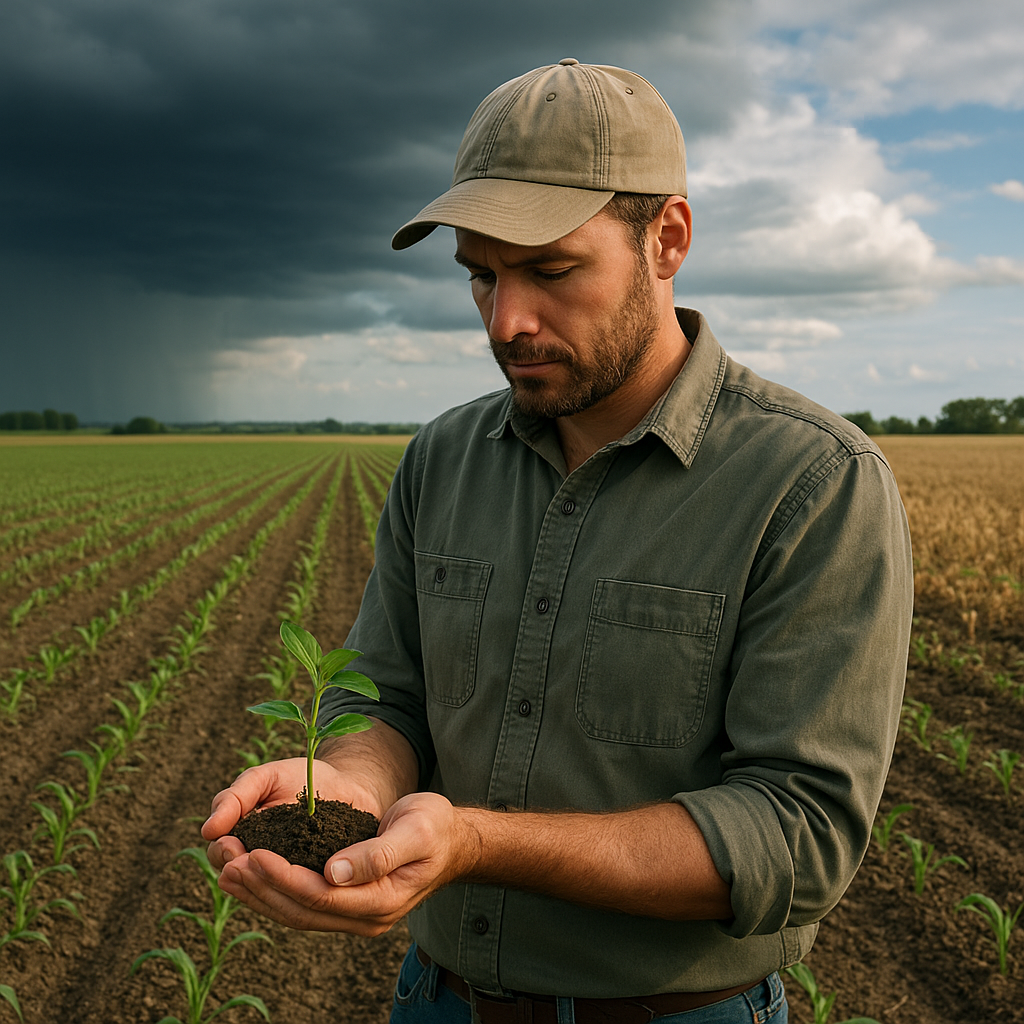
Farmers are at the forefront of adaptation efforts, adopting innovative techniques to cope with rising heat stress, shifting precipitation, and more frequent extreme events. One critical approach involves the development and deployment of drought-resistant and heat-tolerant crop varieties. Through advanced breeding programs and biotechnological interventions, researchers have introduced genetic traits that allow staple grains like wheat and maize to maintain productivity under water-limited conditions. These scientific breakthroughs require close collaboration between public research institutes and private seed companies, underpinned by supportive policy frameworks.
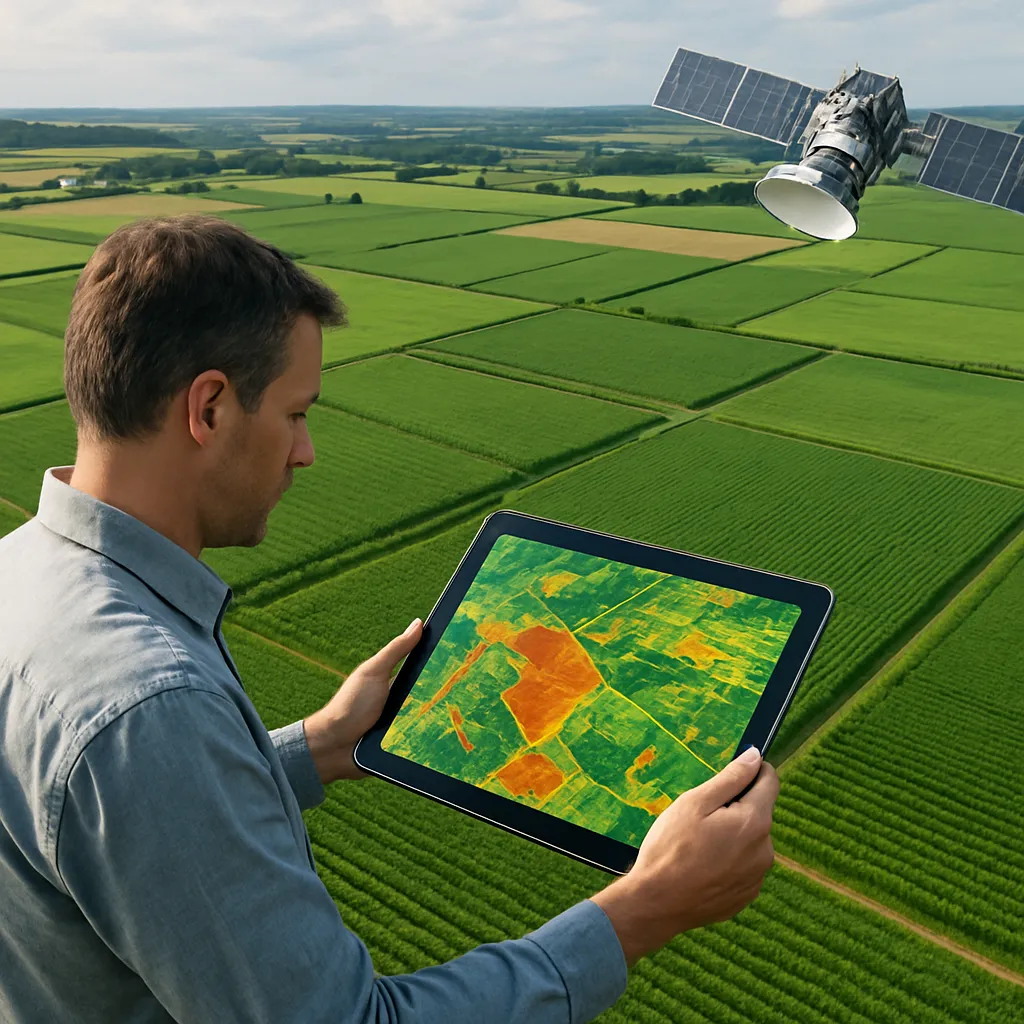
Precision agriculture is another cornerstone of modern adaptation. Leveraging satellite imagery, sensors, and data analytics, farmers can optimize resource use and respond dynamically to environmental stressors. For instance, variable-rate irrigation systems deliver water precisely where and when it is needed, reducing waste and enhancing sustainability. Soil moisture probes combined with weather forecasting tools enable proactive decision-making, minimizing the impact of droughts or heavy rainfall. As these technologies become more accessible, even small-scale producers benefit from improved efficiency.
Integrated Water Management has emerged as a priority in many regions facing chronic scarcity. Efficient irrigation infrastructure—including drip irrigation lines and solar-powered pumping stations—helps preserve groundwater reserves and surface flows. Policymakers are increasingly incentivizing farmers to adopt water-saving techniques, offering subsidies or tax credits for the installation of rainwater harvesting systems and modern pumps. Such measures reduce competition among agricultural, industrial, and residential users, while safeguarding critical freshwater ecosystems.
Moreover, agroforestry and soil conservation practices contribute to long-term adaptation by enhancing biodiversity and improving land health. Intercropping trees with annual crops supplies shade, retains soil moisture, and mitigates erosion. Cover crops and reduced tillage operations build organic matter, increasing water infiltration and carbon sequestration. Collectively, these practices not only stabilize yields but also foster climate mitigation by capturing atmospheric carbon, aligning agricultural adaptation with broader environmental goals.
Impacts on Global Market Dynamics
Adaptation measures have profound implications for supply chains and trade flows. Regions that effectively integrate modern technologies and sustainable practices can maintain or even expand their production capacity, positioning themselves as reliable suppliers of key commodities. Conversely, areas that struggle to adapt may experience declining output, triggering price volatility and shifting comparative advantages. Such dynamics influence global price trends for cereals, oilseeds, and horticultural products, affecting both consumer affordability and farmer livelihoods.
Changing Trade Routes are becoming more evident as major exporters adjust to climate pressures. For example, rising temperatures in the traditional wheat belt of northern latitudes have prompted exporters in Eastern Europe and North America to diversify their markets. Simultaneously, new production zones open up in cooler high-altitude or higher-latitude regions, spurring investment in infrastructure and logistics. These shifts require importers to navigate new supply chains, balancing considerations of cost, reliability, and environmental footprint.
Market players are also responding to evolving investment criteria. Institutional investors, development banks, and private equity firms increasingly incorporate climate risk assessments into their decision-making processes. Projects that demonstrate robust adaptation plans—such as climate-smart irrigation schemes or resilient crop trials—tend to attract favorable financing terms. This reallocation of capital channels resources toward innovative ventures, accelerating the diffusion of best practices and reinforcing positive feedback loops between technology adoption and market growth.
Risk management instruments have adapted as well. Insurance schemes designed for agriculture now include parametric policies that pay out based on predefined triggers like rainfall deficits or heatwave intensity. These products enable farmers and lenders to hedge against severe losses, stabilizing incomes and credit access. At the same time, governments subsidize premium costs to ensure widespread uptake, embedding risk-sharing into national adaptation strategies and encouraging prudent farm-level investments.
Economic Implications and Investment Opportunities
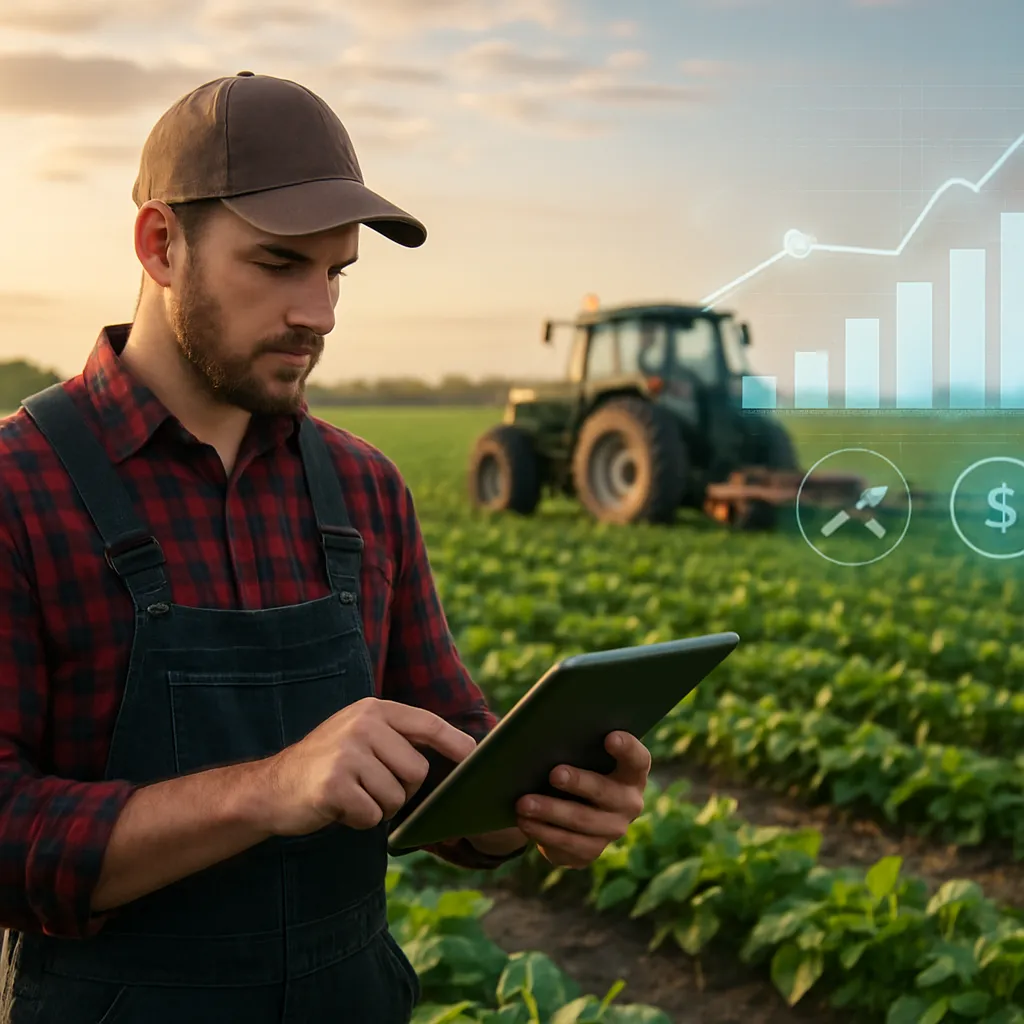
Scaling adaptation measures demands significant upfront costs, spanning research and development, infrastructure, and training for farming communities. Yet the long-term benefits often outweigh expenditures by safeguarding crop yields, reducing vulnerability to supply shocks, and preserving ecosystem services. Cost-benefit analyses conducted in various agroecological zones reveal that every dollar invested in climate resilience can yield multiple dollars in avoided losses and enhanced productivity. This calculus has caught the attention of international organizations and national treasuries alike.
Public-private partnerships play a pivotal role in mobilizing capital. Governments may establish dedicated funds or guarantee schemes to de-risk private investment in climate-smart agriculture projects. Multilateral development banks support these efforts by offering concessional loans and technical assistance. As a result, agribusinesses, cooperatives, and fintech startups secure financing for initiatives such as solar-powered drip systems, mobile advisory platforms, or blockchain-based supply chain tracking—all aimed at boosting adaptation and market transparency.
On the technological frontier, digital solutions present promising avenues. Mobile applications deliver localized weather alerts and tailored agronomic guidance, empowering farmers to take timely adaptive actions. Remote sensing platforms track crop health and soil conditions across vast landscapes, enabling early warning of potential stress events. By integrating these data streams into farm management software, large-scale producers achieve higher efficiency and smaller actors gain access to insights once reserved for well-funded enterprises.
Consumer demand also influences investment flows. As awareness of climate risks grows, retailers and food processors increasingly prioritize sustainably sourced ingredients. Certification schemes that verify adaptation best practices—such as minimal water usage or soil-regenerative methods—resonate with environmentally conscious buyers. Brands willing to pay premiums for adaptation-compliant commodities help create market incentives for farmers to adopt innovation and sustainable practices, reinforcing a virtuous cycle of continuous improvement.
Implementation Challenges and Future Directions
Despite the clear advantages, implementing adaptation policies at scale faces hurdles. Fragmented land ownership, limited technical capacity, and financial constraints can slow adoption, especially among smallholders in developing countries. Extension services may lack the resources to reach remote communities, while bureaucratic red tape delays project approvals. Addressing these obstacles requires coordinated efforts across governmental agencies, research institutions, civil society, and the private sector.
Capacity-building initiatives are crucial. Training programs and demonstration farms help disseminate knowledge on climate-resilient techniques, while farmer field schools foster peer learning and local innovation. When combined with targeted subsidies and microfinance options, these measures lower entry barriers and promote inclusive participation. Crucially, adaptation policies must be context-specific, reflecting local agroecological conditions, cultural practices, and socioeconomic realities.
Looking ahead, climate adaptation in agriculture will increasingly intersect with broader sustainability goals. Integrating renewable energy systems, circular resource flows, and landscape-level conservation strategies can magnify synergies between resilience and environmental stewardship. As investment in smart irrigation, precision farming, and resilient seed systems continues to grow, the global agricultural market will evolve toward a more robust, sustainable, and equitable paradigm, ready to meet the challenges of a warming planet.