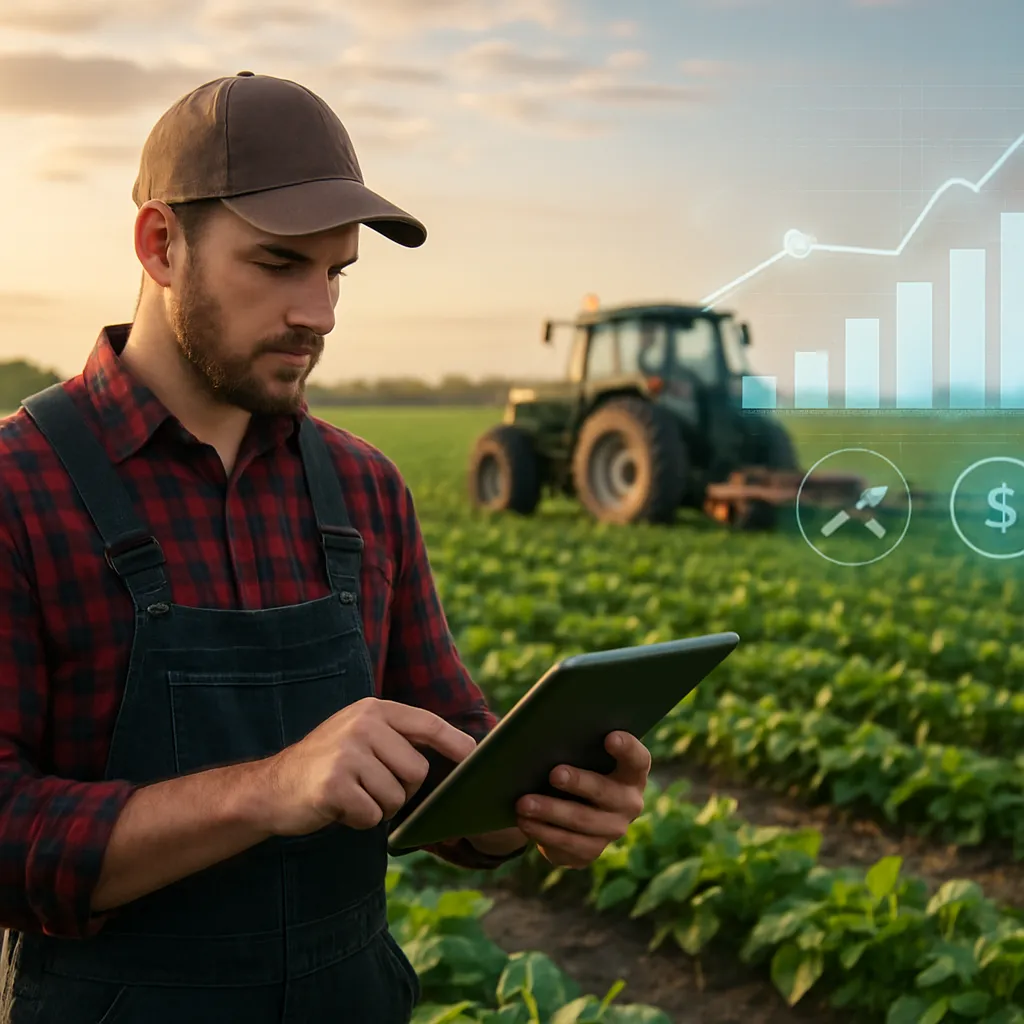
Advancements in technology have revolutionized the way farmers and agribusinesses approach the cultivation of crops. By incorporating machine learning algorithms into daily operations, agricultural stakeholders can harness vast amounts of data to make informed decisions, optimize resources, and improve overall productivity. This article examines the current state of crop prediction models, highlights key innovations in the global market, and explores the economic and environmental implications of applying advanced analytics in modern agriculture.
Integration of Machine Learning in Agriculture
The integration of machine learning into agricultural workflows represents one of the most significant technological shifts of recent years. Traditional methods of forecasting yield and managing resources relied heavily on historical records, manual observations, and expert intuition. Today, however, vast datasets—ranging from soil sensor outputs to weather station archives—feed into predictive models that generate actionable insights in real time.
The Role of Data Analytics
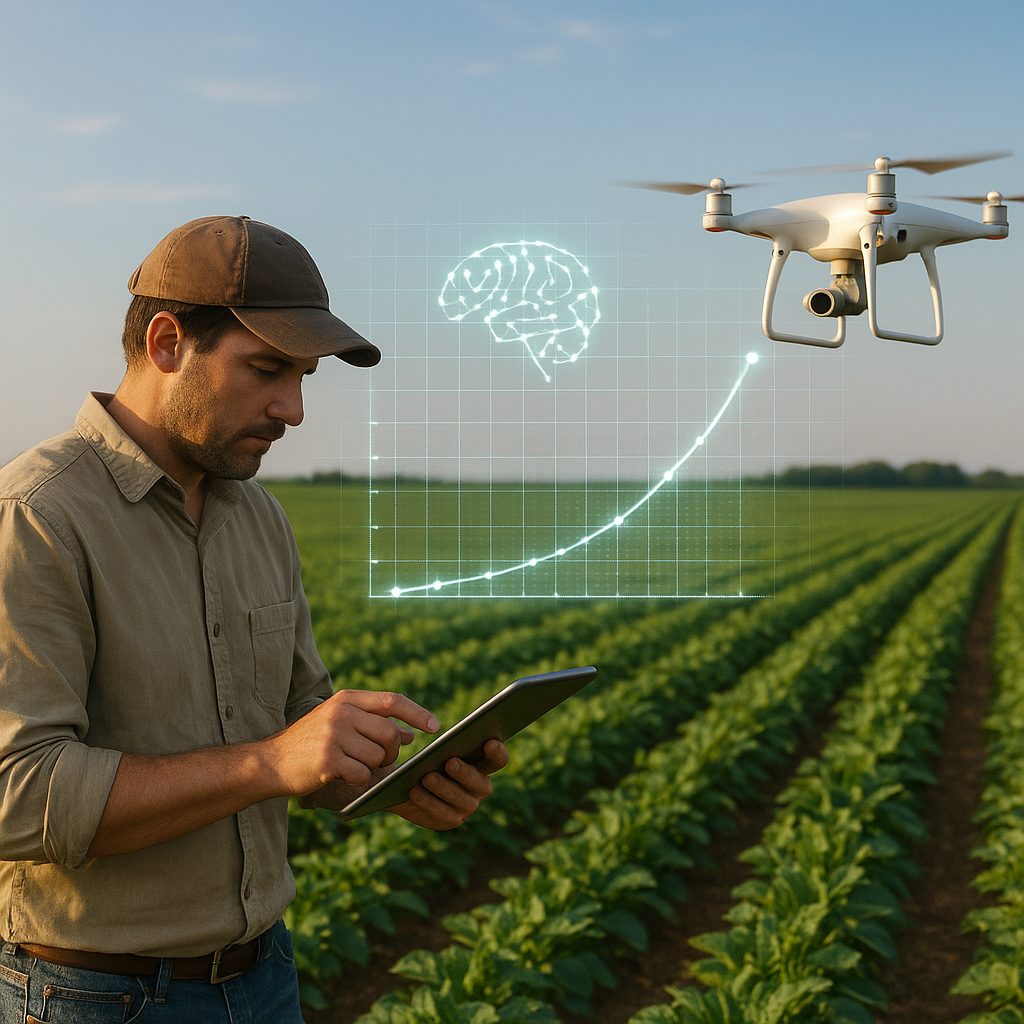
At the heart of this transformation lies data analytics. Farmers can now collect multi-spectral images from drones, soil moisture readings from in-field sensors, and market price fluctuations via cloud-based platforms. By applying supervised and unsupervised learning techniques, these data streams merge into cohesive models capable of anticipating patterns before they occur.
- Sensors and IoT Devices: Soil pH, moisture, and nutrient levels continuously monitored for predictive calibration.
- Historical Data Integration: Archive weather and yield performance data enhance model accuracy over time.
- Real-time Processing: Edge computing allows for near-instant recommendations on irrigation, fertilization, and pest control.
Through this deep integration, the margin of error in yield forecasting has decreased substantially, empowering farmers to allocate resources more efficiently and reduce waste.
Technologies Driving Crop Prediction
Certain technologies are especially instrumental in boosting the performance of predictive models. From aerial imagery to neural networks, these innovations underpin the next generation of agricultural solutions.
Satellite Imagery and Remote Sensing
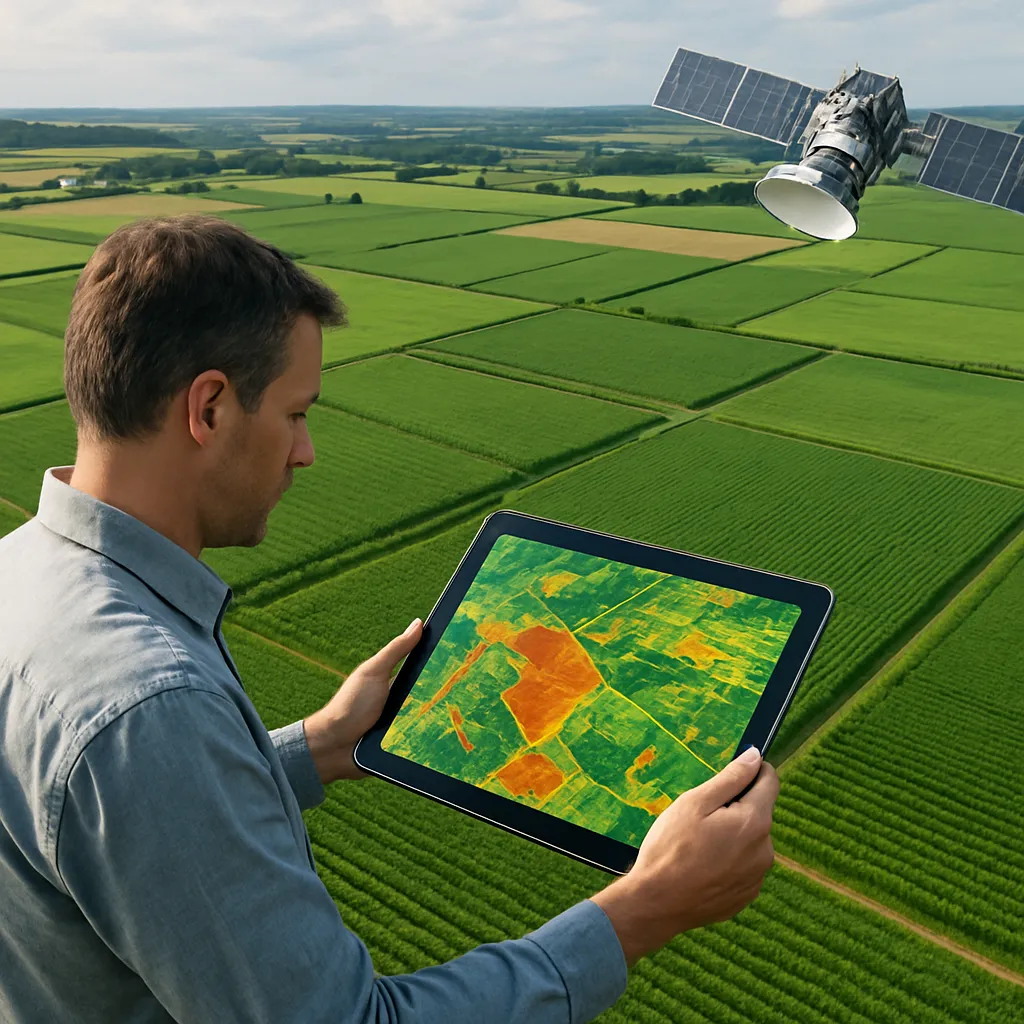
Access to high-resolution satellite imagery provides a bird’s-eye view of vast fields, enabling continuous monitoring of plant health, growth rates, and stress signals. Advanced image-processing algorithms analyze vegetation indices such as NDVI (Normalized Difference Vegetation Index) to determine the vigor of crops and spot anomalies early.
Artificial Neural Networks and Deep Learning
Deep learning architectures excel at recognizing complex patterns in large datasets. Convolutional neural networks (CNNs) interpret images from drones, while recurrent neural networks (RNNs) incorporate temporal weather data to predict how conditions will evolve. These models adjust to local conditions by learning from previous growing seasons, resulting in highly tailored recommendations for each farm.
- CNN-based Plant Classification: Automatic identification of weed infestations and disease outbreaks.
- RNN-driven Climate Adaptation: Projections of temperature and precipitation trends aligned with crop phenology.
- Ensemble Methods: Combination of decision trees, support vector machines, and neural networks for robust performance.
By leveraging these sophisticated models, practitioners of precision agriculture can fine-tune every aspect of the cultivation process, from planting density to harvest timing.
Economic and Environmental Impacts
The implementation of smart farming strategies built on machine learning yields substantial benefits across economic and environmental dimensions. Stakeholders across the global market are witnessing transformative outcomes.
Cost Efficiency and Profitability
Predictive analytics reduces input costs by optimizing the use of water, fertilizers, and pesticides. Farmers can apply variable-rate techniques, ensuring that each section of a field receives exactly what it needs. This targeted approach not only minimizes waste but also enhances yield consistency:
- Reduction in fertilizer usage by up to 30% without compromising yields
- Lower energy consumption due to more precise irrigation schedules
- Decrease in labor costs through automated monitoring and decision support
Environmental Sustainability
Machine learning–driven decisions lead to a smaller ecological footprint. By anticipating periods of water stress or disease pressure, growers can execute interventions that preserve soil health and protect biodiversity. Moreover, improved yield forecasting contributes to better supply chain planning, reducing post-harvest losses and food waste.
Resilience to Climate Change
As climate change introduces greater variability in weather patterns, predictive tools become essential for risk mitigation. Models can suggest drought-resistant varieties, recommend altered planting windows, and highlight shifting pest dynamics. This resilience ensures stable food production even under challenging environmental conditions.
Challenges and Future Directions
Despite impressive advances, certain hurdles remain before machine learning reaches full transformative potential in agriculture. Addressing these obstacles will shape the future trajectory of crop prediction technologies.
Data Quality and Accessibility
High-quality, granular data remains unevenly distributed, especially in developing regions. Improving access to affordable sensors and connectivity is critical for democratizing agronomic practices supported by advanced analytics.
Model Interpretability and Trust
Complex algorithms can be perceived as “black boxes.” Building transparent, explainable models will be key to boosting adoption among farmers and regulators who demand clear reasoning behind recommendations.
Integration with Traditional Knowledge
While technology offers powerful insights, its greatest impact arises when harmonized with generational experience. Collaborative platforms that fuse local expertise with data-driven forecasts promise to yield the most sustainable outcomes.
Emerging Innovations
- Blockchain for Traceability: Ensuring authenticity of inputs and supply chain transparency.
- Robotics and Automation: Autonomous vehicles executing planting, weeding, and harvesting tasks.
- Genomic Selection: Integrating genetic data to predict crop performance under varied conditions.
Continued investment in research, infrastructure, and education will pave the way for a future in which precision agriculture and machine learning coalesce to address both productivity and sustainability goals.