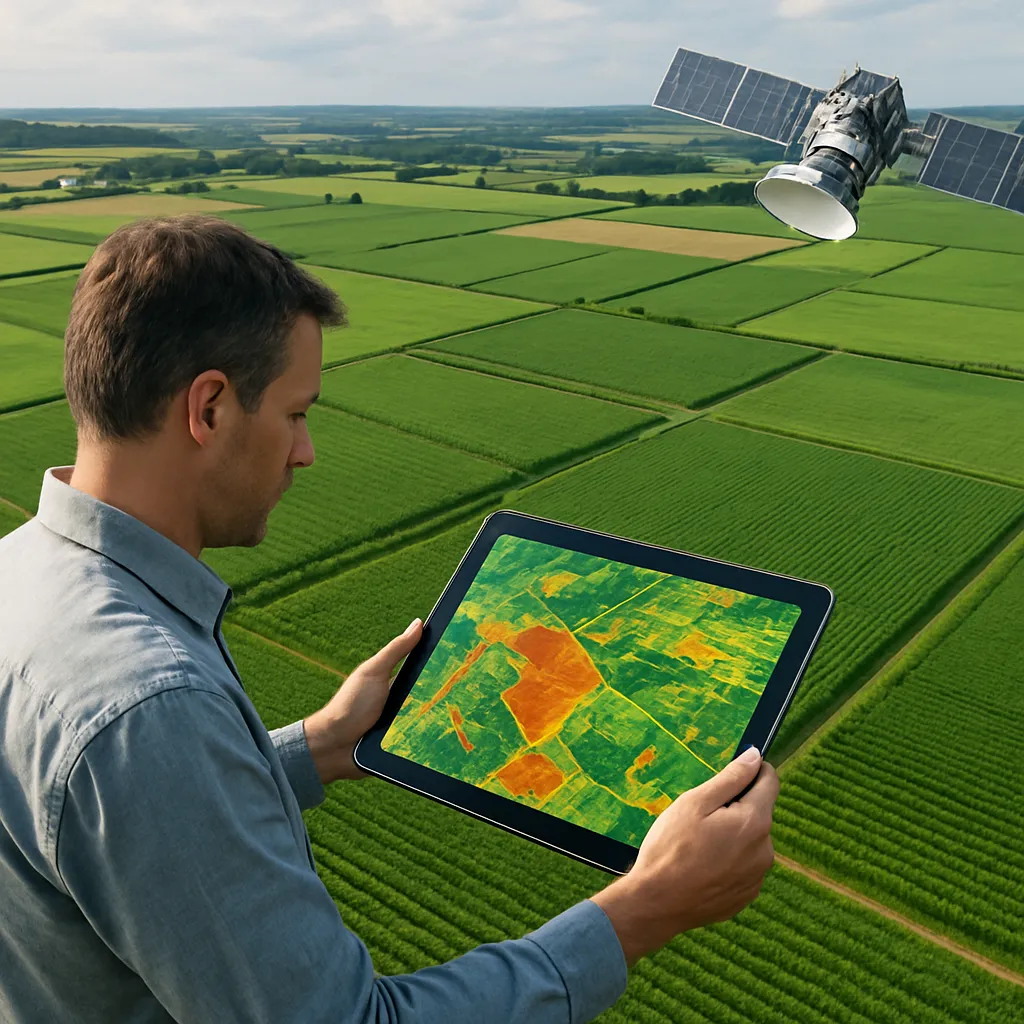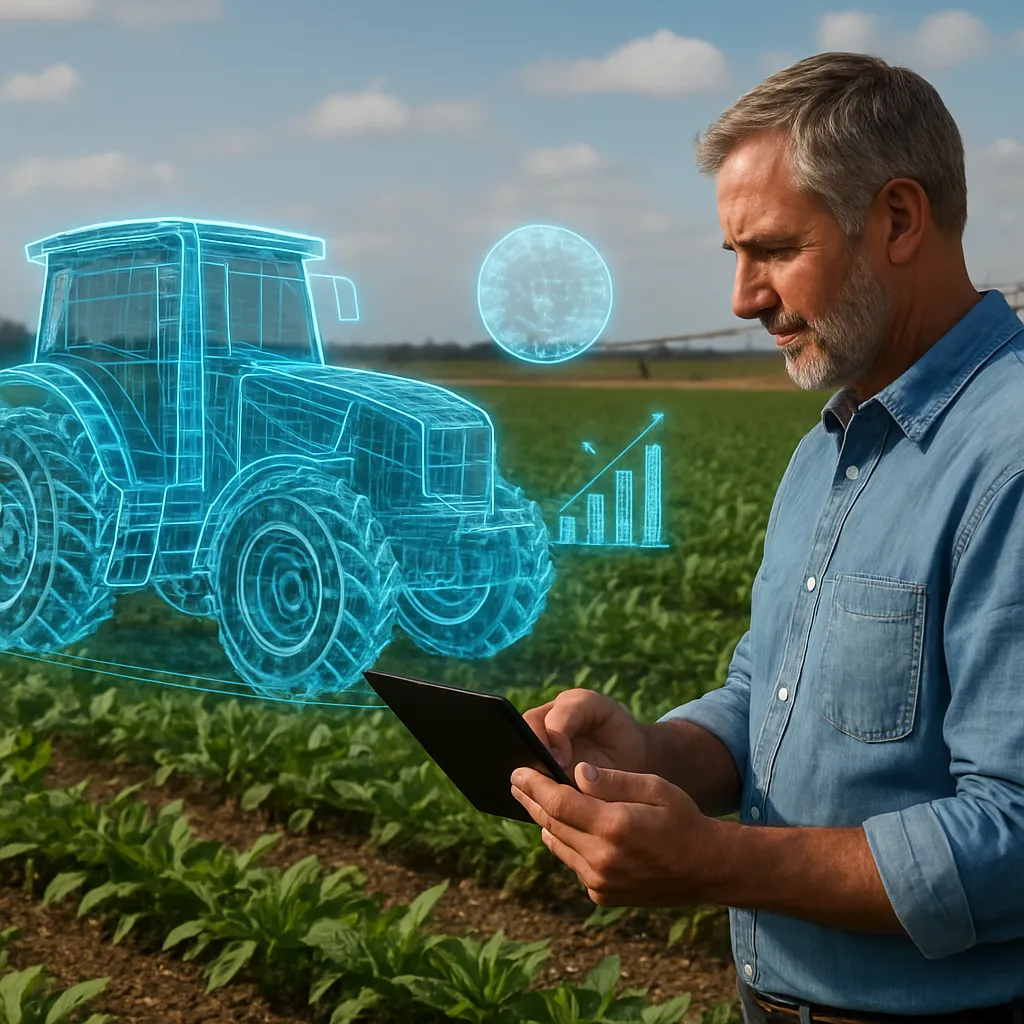
The integration of digital twins into modern agriculture is redefining how farms are managed, monitored, and optimized. These virtual replicas of physical farm environments leverage real-time data to create a dynamic model that supports decision-making, boosts productivity, and enhances sustainability. As the global market for agricultural technology expands, digital twins emerge as a critical component for farmers, agribusinesses, and policymakers looking to embrace advanced solutions in an increasingly competitive landscape.
The Emergence of Digital Twins in Agriculture
Digital twin technology, originally popularized in manufacturing and aerospace, has found fertile ground in agriculture. By mirroring actual fields, crops, livestock, and machinery, digital twins enable stakeholders to:
- Continuously monitor environmental conditions using remote sensing and the Internet of Things (IoT).
- Run “what-if” scenarios to anticipate challenges such as pest outbreaks or severe weather events.
- Optimize resource allocation—water, fertilizers, and energy—based on real-time insights.
The transition toward digital agriculture has been driven by growing demand for higher yields and more efficient farm operations. Meanwhile, global organizations invest heavily in research and development, helping push down hardware costs for sensors, drones, and edge-computing devices. This trend accelerates the adoption of digital twins among smallholders as well as large-scale producers.
Implementing Digital Twins for Precision Farming
At the heart of precision agriculture lies the capacity to treat each plot of land uniquely. Digital twins make it possible to:
- Map soil composition and moisture levels down to square-meter precision.
- Deploy automated irrigation systems that respond to soil and weather data in real time.
- Predict and prevent disease spread by analyzing plant health indicators captured via drones.
Key Components of an Agricultural Digital Twin
- Sensor Networks: Soil probes, weather stations, and optical sensors that feed continuous data streams.
- Data Integration Platform: Cloud-native systems that aggregate and normalize data across various sources.
- Simulation Engines: Advanced models that replicate crop growth cycles and resource interactions.
- User Dashboard: Intuitive interfaces allowing agronomists and farm managers to visualize trends and anomalies.
Using these components, farm managers can allocate fertilizers more precisely, reducing runoff and lowering costs. Yield mapping based on digital twins often delivers productivity gains of up to 15%, as growers optimize planting density and harvest schedules.
Data Analytics and Predictive Maintenance
Beyond crop management, digital twins extend into equipment oversight. Modern agricultural machinery—tractors, combines, and irrigation systems—can be represented in parallel virtual models. This approach enables:
- Real-time monitoring of mechanical wear and tear, detecting unusual vibration patterns or temperature spikes before breakdowns occur.
- Predictive maintenance schedules that minimize downtime during peak harvesting seasons.
- Insights into fuel consumption and operational efficiency, lowering greenhouse gas emissions and cost per hectare.
By coupling telemetry data with machine-learning algorithms, the digital twin can forecast component failures weeks in advance. This level of foresight helps agricultural equipment dealers offer proactive service contracts, creating new revenue streams while supporting farm sustainability goals.
Environmental Sustainability and Resource Management
One of the most compelling benefits of agricultural digital twins is their role in promoting sustainability. Smart farming with digital twins contributes to:
- Reduced carbon footprint through optimized fuel usage and lower fertilizer input.
- Decreased water consumption by up to 30% via precision irrigation guided by soil-moisture simulations.
- Enhanced biodiversity, as targeted interventions can protect pollinators and beneficial insects without broad-spectrum pesticide use.
Case Study:
A large vineyard in Spain implemented a digital twin to model vine water stress throughout the growing season. By integrating satellite imagery, moisture sensors, and weather forecasts, vineyard managers were able to reduce water use by 25% and increase grape quality scores by an average of 0.3 points in a competitive international market.
Global Market Trends and Adoption Challenges
The market for digital farming solutions is expanding rapidly, with forecasts suggesting a compound annual growth rate (CAGR) above 12% over the next five years. Key drivers include:
- Investment in rural connectivity to support high-bandwidth data transmission.
- Regulatory incentives encouraging carbon reduction and sustainable practices.
- Rising commodity prices that pressure producers to improve yield optimization.
However, widespread adoption still faces hurdles:
- Integration complexity across legacy equipment and disparate data formats.
- Capital expenditure requirements, particularly for small and medium-sized farms.
- Data security and privacy concerns when sharing information with third-party service providers.
Overcoming these challenges will require public-private partnerships, digital literacy programs for farmers, and standardized data protocols to ensure seamless interoperability.
The Future of Farm Operations with Digital Twins
As artificial intelligence and edge computing become more accessible, digital twins will evolve into self-learning systems capable of autonomous decision-making. Imagine fleets of robots planting, monitoring, and harvesting crops entirely guided by virtual models that continuously update based on real-world performance. Furthermore, blockchain integration could create immutable records of farm activities, enhancing traceability from seed to supermarket shelf.
In the years ahead, the convergence of data analytics, robotics, and digital twins promises to reshape the agriculture global market. Forward-looking agribusinesses are already piloting these solutions, and their successes will pave the way for broader transformation—fulfilling the dual mandate of feeding a growing population while stewarding the planet’s finite resources.