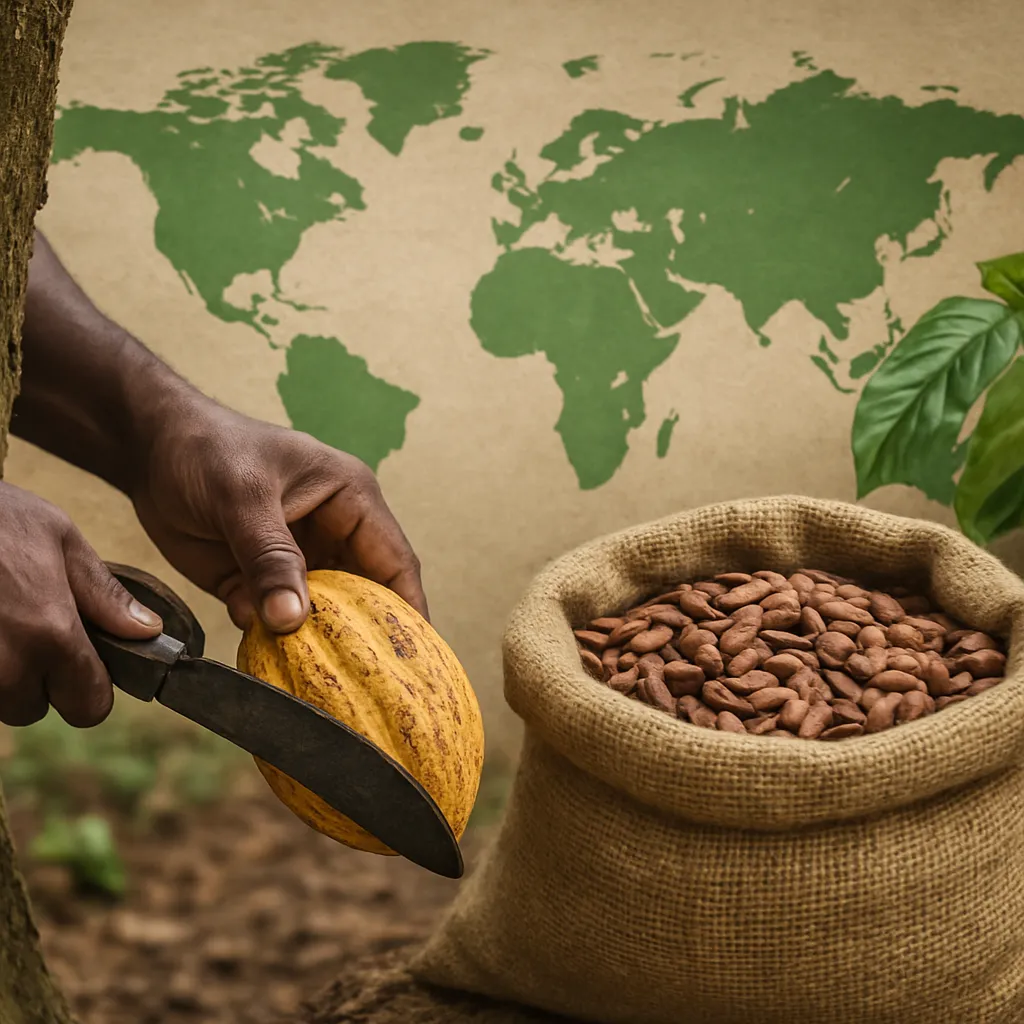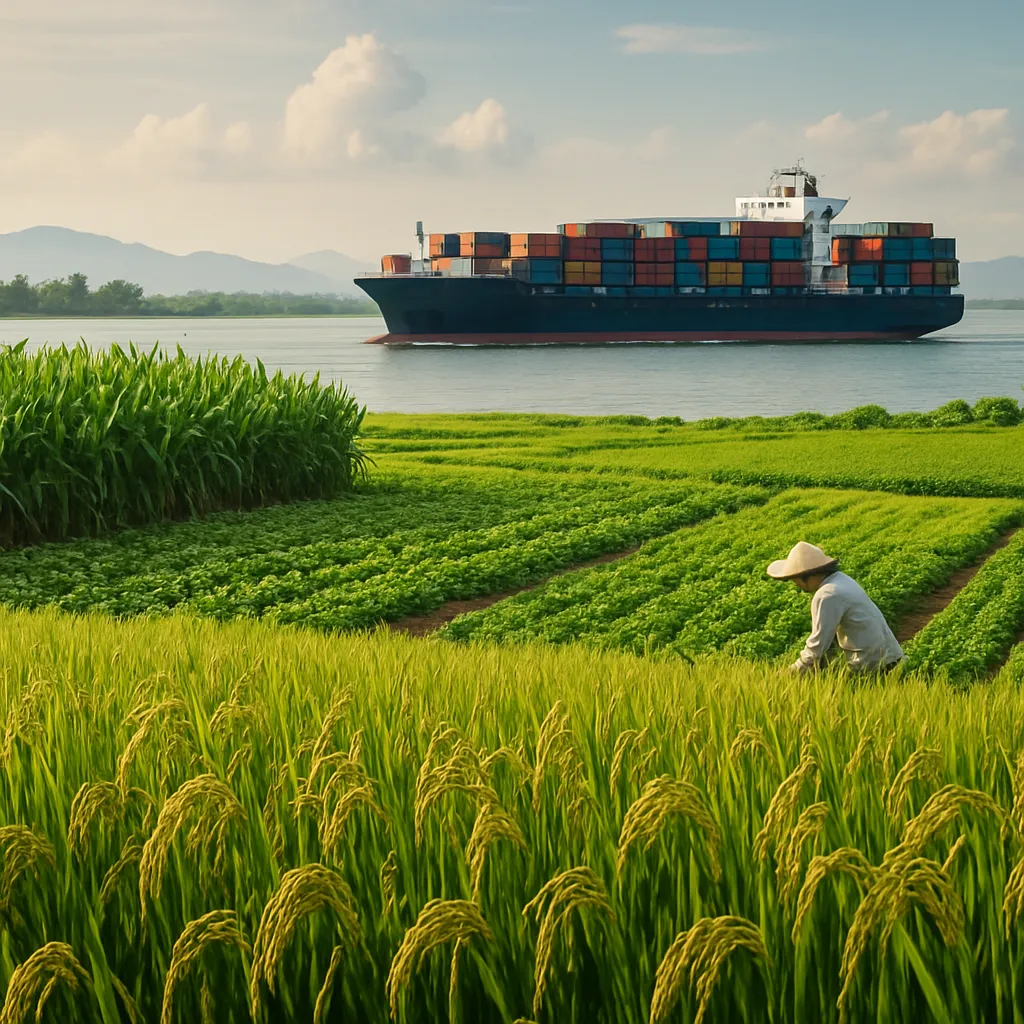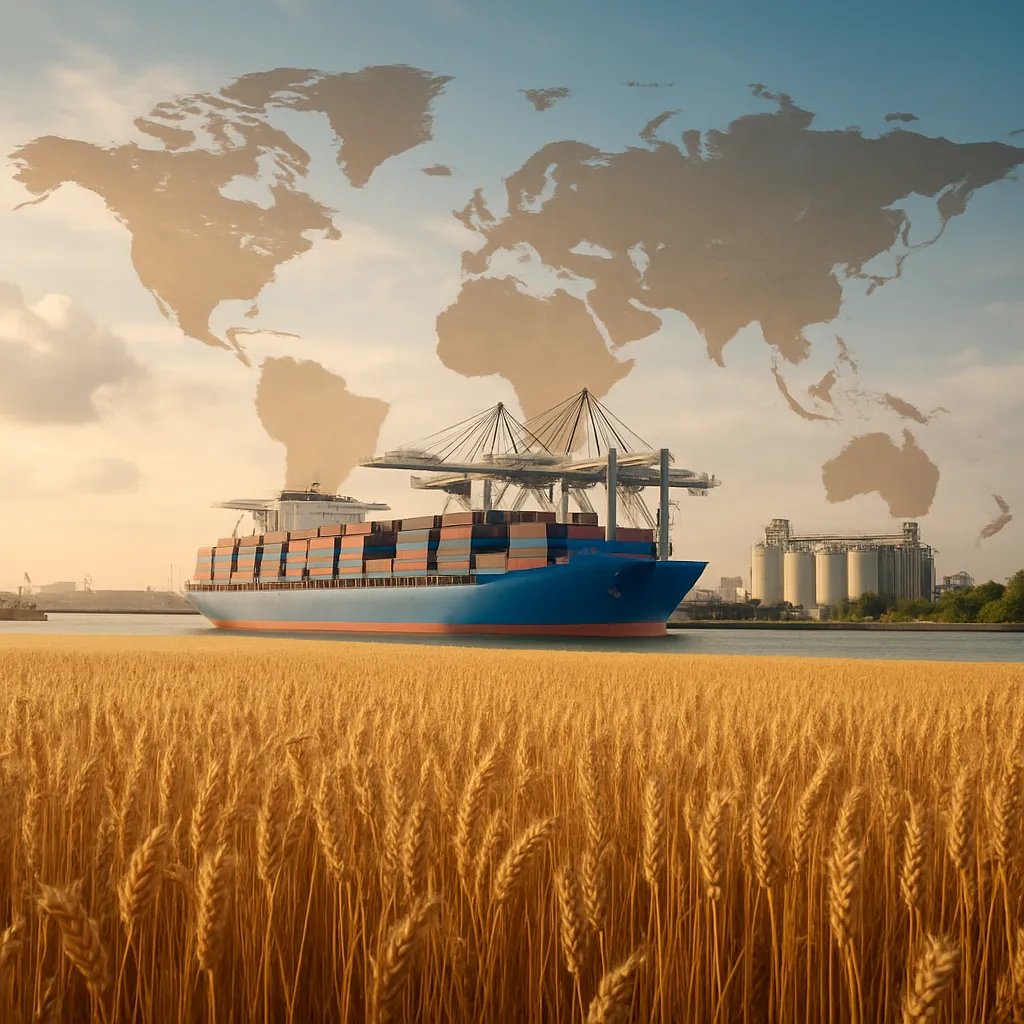
The landscape of the global grain trade is evolving rapidly as nations adapt to shifting economic, environmental, and technological forces. Post-2025, key players in the market are reconfiguring supply routes, revising policy frameworks, and leveraging innovations to secure food systems. This article examines emerging trends in agricultural trade, identifies regional realignments, and explores how digital tools and sustainability initiatives are reshaping the movement of cereals and oilseeds worldwide.
Market Drivers and Strategic Shifts
Several factors are converging to influence grain flows over the next decade. Growing populations and rising incomes in developing regions are fueling demand for wheat, maize, and rice. At the same time, advanced economies are seeking to reinforce supply chains against disruptions caused by extreme weather and geopolitical tensions. Companies and governments are placing a premium on resilience and strategic stockpiles to guard against volatility.
Global Demand Surge
Urbanization and dietary changes are driving a surge in grain consumption. Middle classes in Asia and Africa are incorporating more processed foods and livestock products into their diets, which translates into higher feed grain requirements. This shift is intensifying competition for resources and prompting new investments in production capacity.
Policy and Trade Liberalization
Trade agreements negotiated after 2025 are lowering tariffs and harmonizing sanitary standards, facilitating smoother cross-border movements of commodities. Meanwhile, some countries are adopting protective measures—such as export quotas or strategic reserves—to secure domestic supply. These conflicting approaches underscore a delicate balance between free trade and national food security.
Regional Realignments in Grain Flows
As traditional corridors face disruption, emerging routes are gaining prominence. North America, Eastern Europe, South America, and the Black Sea region are jockeying to capture market share in Asia, Africa, and the Middle East. Each region brings unique advantages and challenges.
North America’s Role
- United States and Canada continue to leverage advanced agronomic practices to boost yield per hectare.
- Infrastructure investments in rail and port facilities are modernizing the grain export network.
- Trade pacts with Pacific Rim nations are opening opportunities for maize and barley shipments.
Black Sea Corridor Expansion
- Ukraine and Russia are enhancing logistics despite political frictions, aiming to maintain their status as major wheat suppliers.
- Port development projects on the Azov and Black Seas are streamlining bulk handling operations.
- Efforts to diversify routes through the Caucasus and Danube waterways seek to reduce congestion and transit times.
South American Diversification
- Brazil and Argentina are scaling up soybean and corn output to meet rising European and Asian demand.
- Public–private partnerships are funding new grain terminals along the Atlantic coast and Paraguay River basin.
- Adoption of precision agriculture is supporting sustainable intensification, balancing production growth with environmental stewardship.
Technological and Sustainability Transformations
The interplay between digital innovation and environmental concerns is redefining how grain is produced, marketed, and moved. From farm-level sensors to blockchain-based shipping ledgers, technology is enhancing transparency and efficiency across the value chain.
Digitalization of the Supply Chain
Blockchain platforms are being piloted to record origin, quality, and custody transfer events for every grain cargo. This level of traceability reduces fraud, expedites customs clearance, and fosters trust among trading partners. Meanwhile, digitalization extends to AI-driven demand forecasting and automated trading systems that optimize pricing and allocation.
Climate-Smart Agriculture
Producers are deploying drought-tolerant seed varieties and optimizing irrigation through remote sensing. These measures address the growing impact of climate change on planting schedules and yield stability. Insurance models tied to satellite-based rainfall indices are also helping farmers hedge against yield shortfalls.
Carbon and Sustainability Standards
Environmental regulations are compelling exporters to certify low-emission practices, from reduced tillage to efficient fertilizer use. Grain sold under recognized sustainability labels can fetch premiums in markets sensitive to carbon footprints. This trend is incentivizing a shift toward regenerative practices that build soil health while mitigating greenhouse gas emissions.
Geopolitical Challenges and Opportunities
Global grain trade does not operate in a vacuum. Diplomatic relations, sanctions, and conflicts can instantly alter shipping lanes and contract terms. Stakeholders must remain agile in negotiating new corridors and forging alliances to secure uninterrupted flows.
Sanctions and Alternative Routes
Restrictions on certain exporters spur the development of alternative supply chains. Countries subject to trade barriers seek to circumvent them through barter arrangements or triangular shipments involving friendly third parties.
Food Security Diplomacy
Nations are increasingly using grain aid packages as levers in international relations, blending humanitarian objectives with strategic influence. Investments in port infrastructure or storage facilities in recipient countries can deepen bilateral ties.
Strategic Reserves and Stock Management
- Public grain reserves act as buffers against price spikes and supply shocks.
- Dynamic release policies—triggered by predefined price thresholds—help stabilize domestic markets.
- International cooperation on stockpiling reduces the likelihood of beggar-thy-neighbor policies during crises.
Future Outlook and Emerging Trends
Looking beyond 2030, several trajectories will shape the grain trade:
- Integration of satellite-based monitoring with trade platforms to automate compliance checks.
- Expansion of low-carbon shipping routes powered by biofuels or wind-assisted vessels.
- Growth of public–private grain corridors that link landlocked producers to global markets.
- Greater influence of consumer advocacy on sustainability metrics, prompting transparent reporting.
As the world navigates population growth, resource constraints, and geopolitical friction, the grain marketplace will remain a barometer of broader economic and environmental health. Success will favor those who embrace innovation, uphold sustainability, and foster collaborative networks across borders, ensuring that this staple of food and feed security continues to flow where it is most needed.