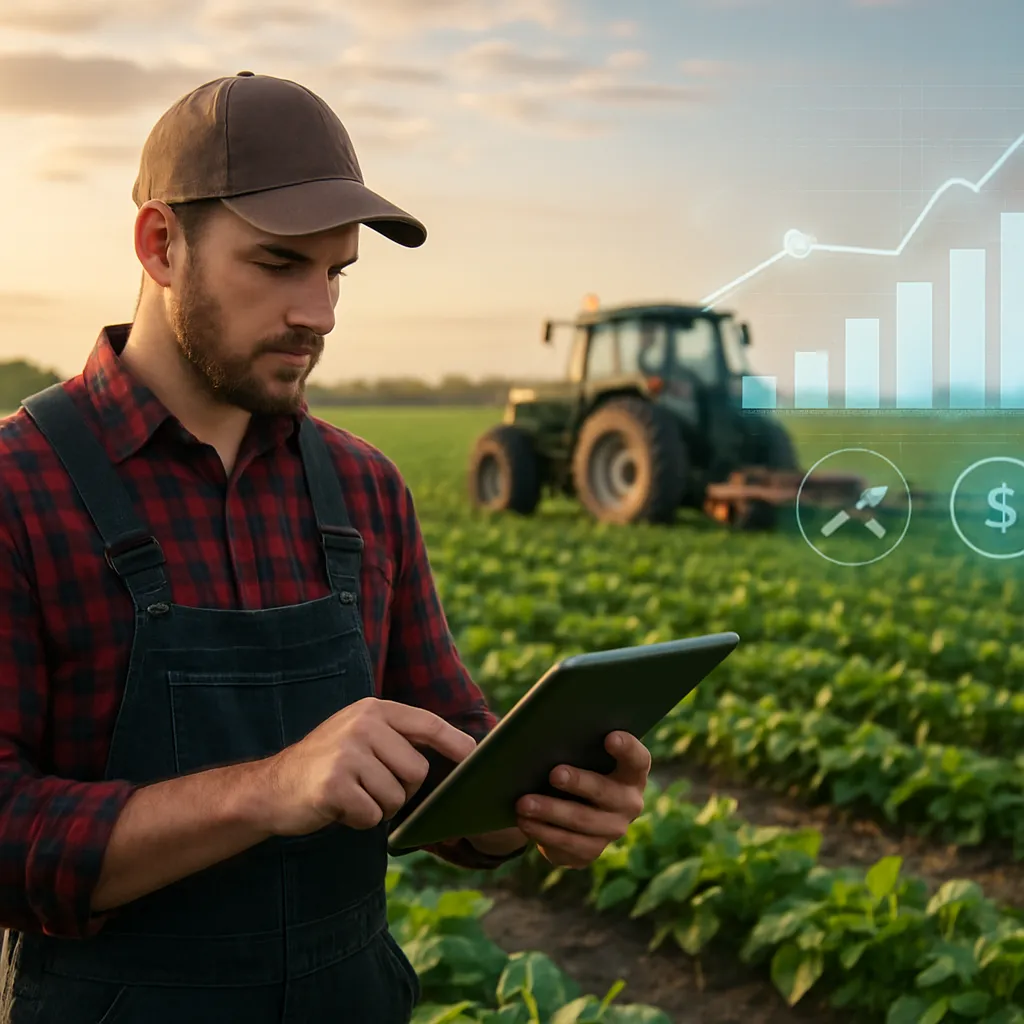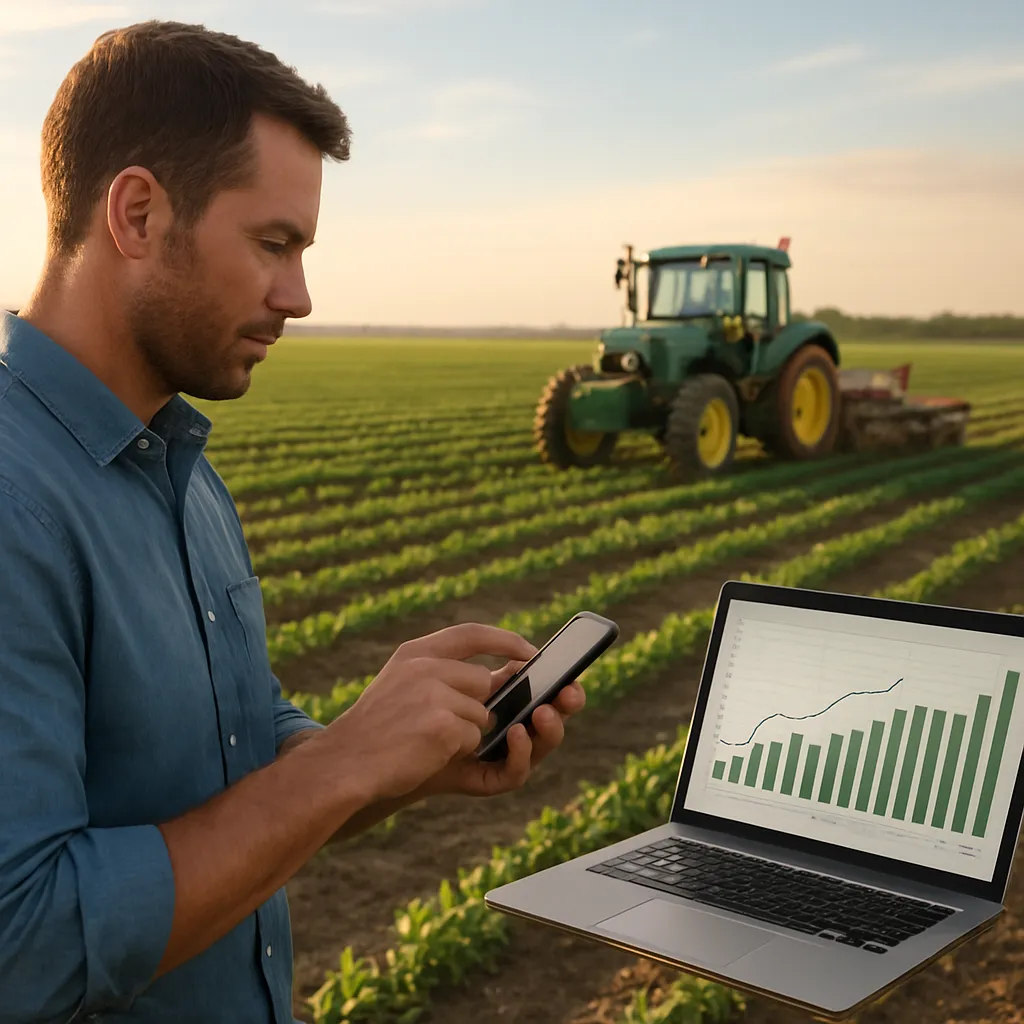
The integration of predictive analytics into modern agriculture is revolutionizing the way farmers and agribusinesses approach crop planning. By leveraging big data, advanced weather models, and machine learning algorithms, stakeholders in the global market are developing strategies that enhance efficiency, boost yield, and promote long-term sustainability. This article explores the dynamic intersection of technology and agriculture, revealing how data-driven insights are shaping planting schedules, resource allocation, and risk management across diverse climatic regions.
Understanding the Global Agriculture Landscape
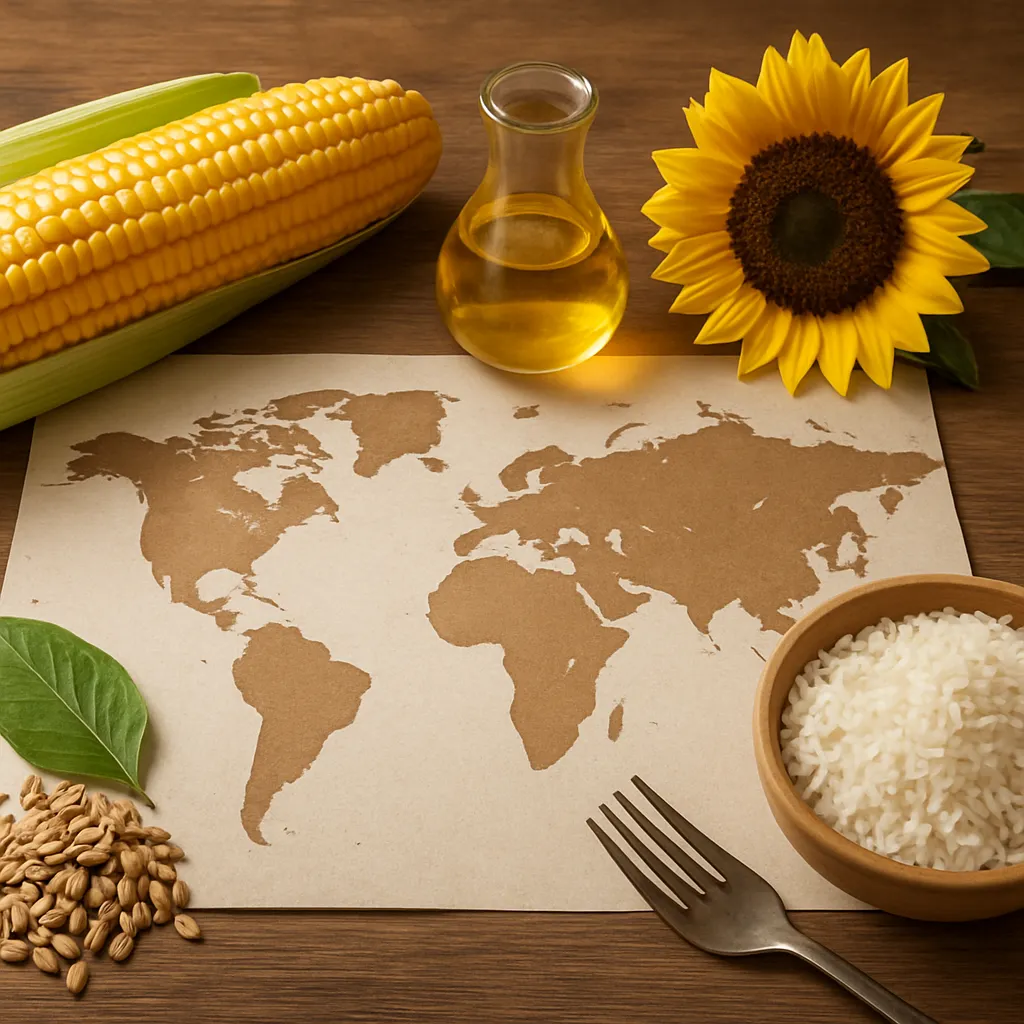
Today’s agricultural sector operates within a complex web of market forces, environmental pressures, and regulatory frameworks. The world population continues to grow, driving up demand for staple crops like wheat, rice, and maize. Simultaneously, unpredictable climate patterns — from droughts to intense rainfall — are challenging traditional farming calendars. In response, producers and policymakers are turning to predictive models that analyze historical and real-time data to forecast seasonal conditions, supply chain disruptions, and commodity prices. These forecasts allow decision-makers to:
- Adjust planting dates in anticipation of temperature shifts
- Plan crop rotations that maintain soil health
- Optimize distribution logistics to reduce post-harvest losses
Such strategies not only enhance food security in emerging economies but also offer developed markets a competitive edge by minimizing waste and maximizing profit margins.
Key Data Sources and Technological Frameworks
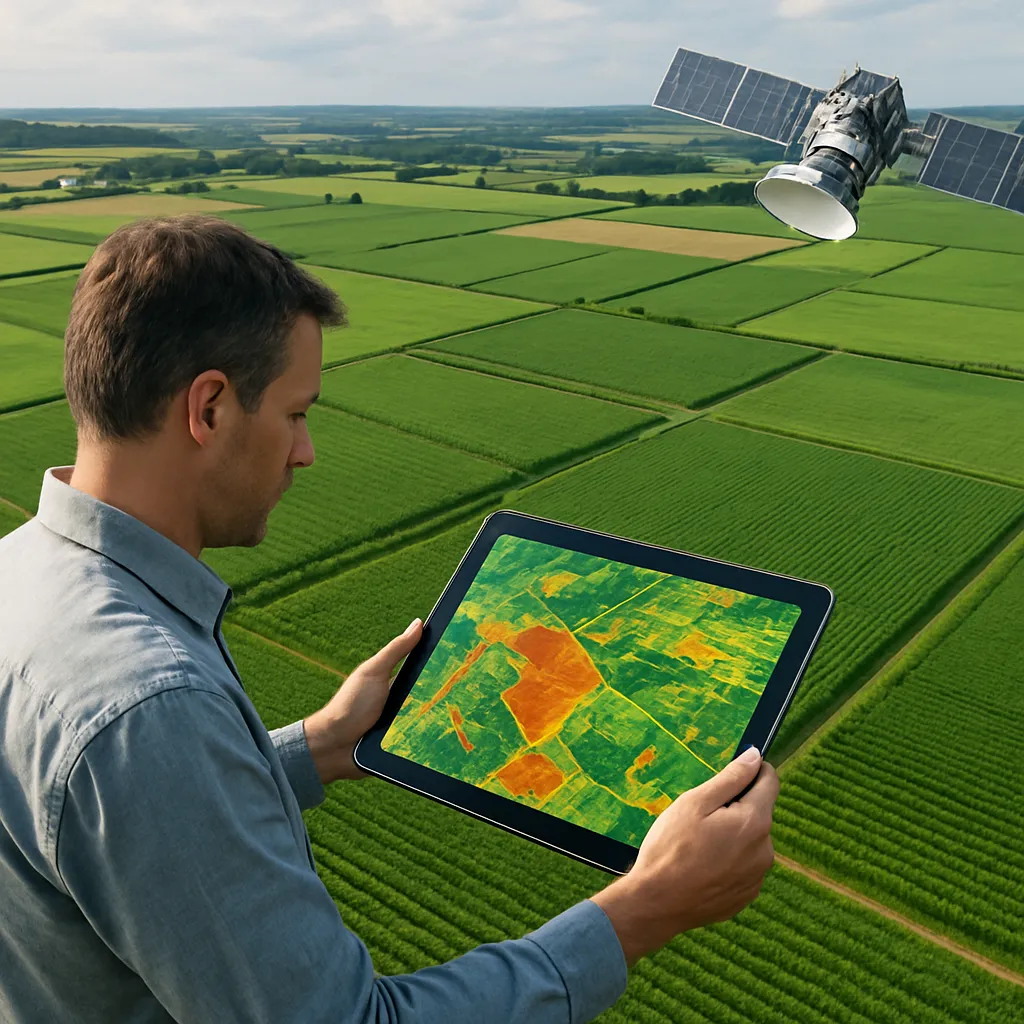
At the heart of any analytics initiative lies a diverse array of data sources. High-resolution satellite imagery, ground-based sensors, and Internet of Things (IoT) networks generate terabytes of agronomic information daily. Key inputs include:
- Remote sensing data on vegetation health and soil moisture
- Weather station reports on rainfall, humidity, and wind speed
- Farm equipment telemetry capturing seeding rates and fuel consumption
- Market intelligence on commodity futures and logistics costs
Once collected, this multifaceted data flows into scalable cloud platforms where machine learning pipelines identify patterns and anomalies. Advanced frameworks such as tensor-based neural networks or ensemble tree models allow agronomists to predict outcomes like yield potential, pest outbreaks, or nutrient deficiencies. The integration of geospatial information systems (GIS) further refines localized forecasts, enabling sub-field level interventions for optimization of inputs.
Applications of Predictive Analytics in Crop Planning
Implementing sophisticated models transforms raw data into actionable intelligence. Below are key areas where predictive analytics is reshaping crop planning:
Seed Selection and Planting Schedules
Analytical tools assess varietal performance under projected climatic scenarios. This ensures that farmers choose seed hybrids best suited for temperature extremes, rainfall variability, or soil salinity. Algorithms can even recommend staggered planting timelines to spread harvest risk and balance labor demands.
Irrigation and Nutrient Management
By modeling evapotranspiration rates and soil water retention, predictive systems schedule irrigation events with precision. This conserves water, reduces energy usage, and prevents nutrient leaching. Fertilizer applications are similarly optimized by predicting crop uptake rates, resulting in cost savings and environmental compliance.
Pest and Disease Mitigation
Early warning systems driven by weather forecasts and pathogen life-cycle models alert farmers to potential pest or disease outbreaks. Targeted interventions, such as spot spraying or biological controls, can be deployed before infestations escalate, preserving yields and cutting chemical usage.
Market Timing and Supply Chain Coordination
Beyond the field, predictive analytics helps agribusinesses determine optimal harvest windows to capture peak prices and fulfill contract obligations. Integration with logistics platforms automates bulk shipping routes, reducing spoilage and ensuring that fresh produce reaches consumers promptly.
Challenges and Future Directions
While the benefits of data-driven crop planning are clear, several hurdles must be addressed to achieve widescale adoption:
- Data Integration: Fragmented data standards and siloed platforms hinder seamless information exchange between smallholders and large agritech firms.
- Infrastructure Gaps: Rural areas in developing countries often lack reliable internet connectivity and sensor networks required for real‐time monitoring.
- Skill Deficits: Implementing and maintaining complex models demands specialized expertise in data science and agronomy.
- Privacy and Ownership: Clarifying who owns generated data and how it can be monetized remains an ongoing policy debate.
Looking ahead, advances in edge computing, blockchain-based traceability, and real-time analytics promise to further empower farmers worldwide. Emerging trends include:
- Decentralized data marketplaces that reward growers for sharing high-quality field information
- AI-driven robotic platforms that autonomously adjust planting and spraying patterns
- Climate-resilient crop genetics guided by predictive modeling of future weather extremes
By continuing to innovate at the intersection of technology and agriculture, the industry can meet the dual imperatives of feeding a growing population and preserving vital ecosystems.