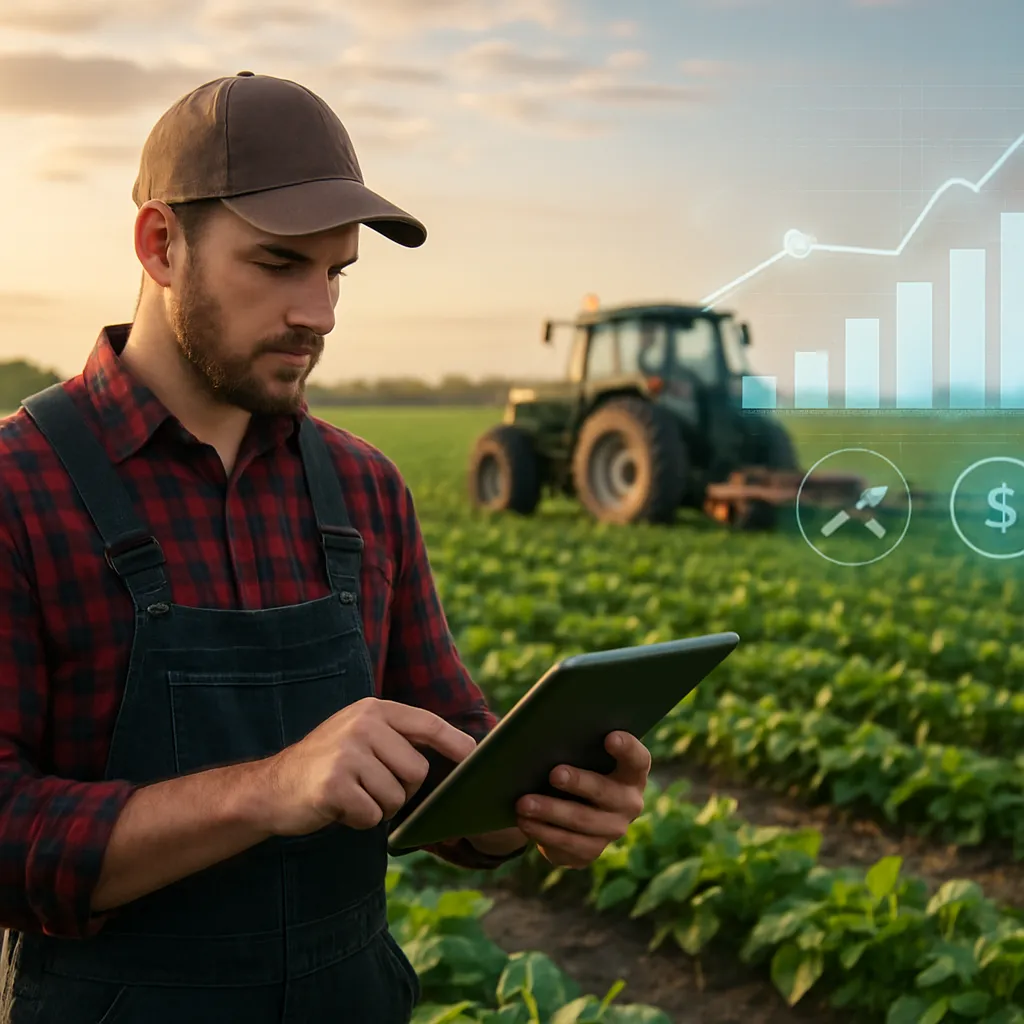
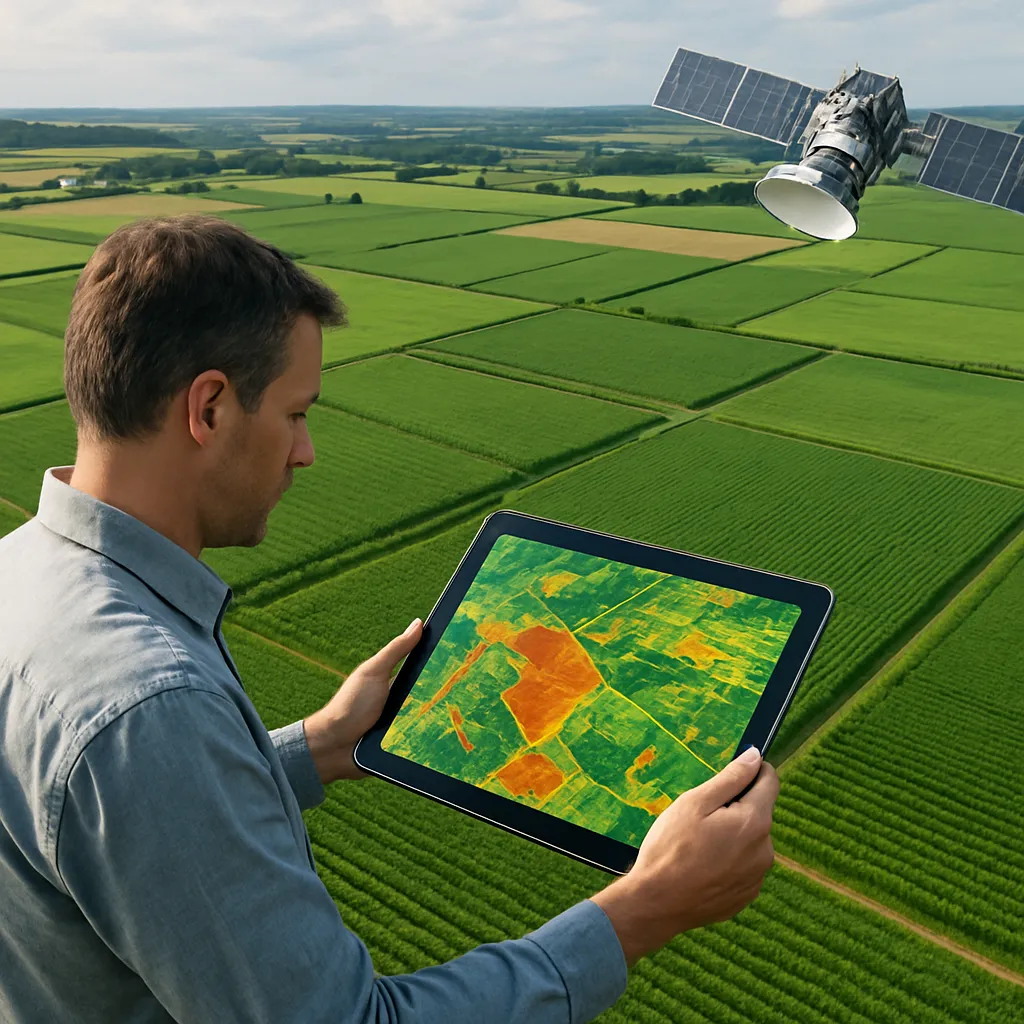
The global agricultural market is undergoing a profound transformation as stakeholders seek innovative ways to build **trust**, enhance **transparency**, and guarantee the ethical distribution of resources. Increasingly, blockchain technology emerges as a catalyst for change, promising to revolutionize how products move from farm to fork. By integrating immutable ledgers and decentralized networks, farmers, cooperatives, distributors, and consumers can engage in fair trade practices that foster **sustainability**, accountability, and economic growth for all parties involved.
Unlocking Transparency in Agricultural Supply Chains
One of the most significant obstacles in the traditional agriculture sector is the lack of end-to-end visibility. Complex supply chains stretch across multiple intermediaries—exporters, importers, processors, wholesalers, and retailers. Each participant maintains siloed records, creating an opaque system prone to fraud, mislabeling, and inefficiencies. Blockchain’s distributed ledger technology enables every transaction to be recorded in real time. Key advantages include:
- Immutable records: Once data is written, it cannot be altered, preventing fraudulent modifications to shipment details or quality certifications.
- Real-time auditing: Stakeholders can verify the provenance of seeds, fertilizers, and harvested crops through timestamped entries.
- Cost reduction: Automated smart contracts reduce reliance on intermediaries, cutting administrative overhead and dispute resolution expenses.
By leveraging blockchain’s inherent characteristics, agribusinesses can confidently advertise product origins, uphold certification standards, and comply with international regulations more seamlessly. Consumers benefit from transparent labeling, gaining insights into each step of the journey from cultivation to supermarket shelves.
Enhancing Traceability through Decentralized Platforms
Traceability is the backbone of fair trade agriculture. Inaccurate or incomplete tracking can deprive producers of rightful earnings and expose them to exploitation. A decentralized blockchain platform establishes a single source of truth, fostering collaboration among stakeholders while eliminating single points of failure.
Key Components of a Blockchain-Based Traceability System
- Data capture mechanisms: Sensors, IoT devices, and QR codes record environmental conditions, harvest dates, and handling procedures.
- Smart contracts: Automated agreements that trigger payments or quality checks when predefined conditions—such as moisture content or shipping deadlines—are met.
- Verification nodes: Independent entities (e.g., certifiers, labs) validate data inputs, ensuring that every entry is authenticated before inclusion in the ledger.
Consider a coffee cooperative exporting to multiple countries. Each batch receives a unique digital identifier embedded in packaging. As beans pass through cleaning, roasting, and packaging facilities, each process step is recorded on the blockchain. Importers and retailers scan QR codes to retrieve the full history, confirming that fair-trade premiums have been **transferred** to farmers and that environmental standards were upheld.
Empowering Smallholder Farmers and Ensuring Sustainability
Smallholder farmers often face challenges accessing global markets due to limited bargaining power, lack of financial services, and opaque pricing structures. Blockchain-driven initiatives offer mechanisms to address these issues by providing direct market access, microfinancing options, and robust proof of provenance.
- Direct trade platforms: By eliminating middlemen, farmers connect with international buyers who pay competitive prices for high-quality produce.
- Microloans and credit scoring: Transparent transaction histories on the blockchain serve as reliable data for lending institutions to evaluate farmers’ creditworthiness, enabling tailored financing solutions.
- Environmental monitoring: Immutable records incentivize sustainable practices—such as crop rotation, organic fertilization, and water conservation—by tracking adherence to eco-friendly standards.
Moreover, the integration of token-based rewards can further motivate farmers to adopt regenerative agricultural methods. Tokens earned for achieving emission reduction targets or biodiversity preservation can be exchanged for farming equipment, seeds, or technical support. This model not only uplifts rural communities but also contributes to global efforts against climate change.
Building Consumer Confidence and Brand Differentiation
In an era where consumers demand ethical products, companies leveraging blockchain can distinguish themselves through verifiable claims. Packaging emblazoned with interactive tags allows shoppers to explore the entire production narrative—right from soil testing to social impact initiatives. This heightened **engagement** fosters brand loyalty and justifies premium pricing for certified goods.
- Interactive storytelling: Multimedia content—videos, interviews, geolocation data—enhances the shopping experience.
- Certification integration: Authorities such as Fairtrade International or Rainforest Alliance can anchor their seals of approval directly onto the blockchain, reducing counterfeit certifications.
Overcoming Challenges and Scaling Solutions
While blockchain presents considerable promise, adoption hurdles remain. Key challenges include network interoperability, data privacy concerns, and the need for user-friendly interfaces. Collaborations between technology providers, agricultural cooperatives, and regulatory bodies are essential to:
- Develop standardized data schemas and communication protocols.
- Implement strong encryption methods to protect sensitive farm-level data.
- Provide training and support for farmers and small businesses to navigate digital platforms.
Innovation hubs and pilot programs play a critical role in refining blockchain applications, ensuring that solutions are both cost-effective and scalable. As ecosystems mature, the decentralization of trust will become a cornerstone of fair trade agriculture across diverse commodities.
The Future of Fair Trade Agriculture on the Blockchain
By merging cutting-edge technology with ethical trade principles, blockchain is reshaping the agricultural landscape. Farmers gain **empowerment** and financial inclusion, intermediaries streamline operations, and consumers enjoy unparalleled visibility into their purchases. As the global community strives toward a more just and sustainable food system, blockchain’s capacity for verification, traceability, and decentralized governance will be indispensable in fostering equitable prosperity and environmental resilience.