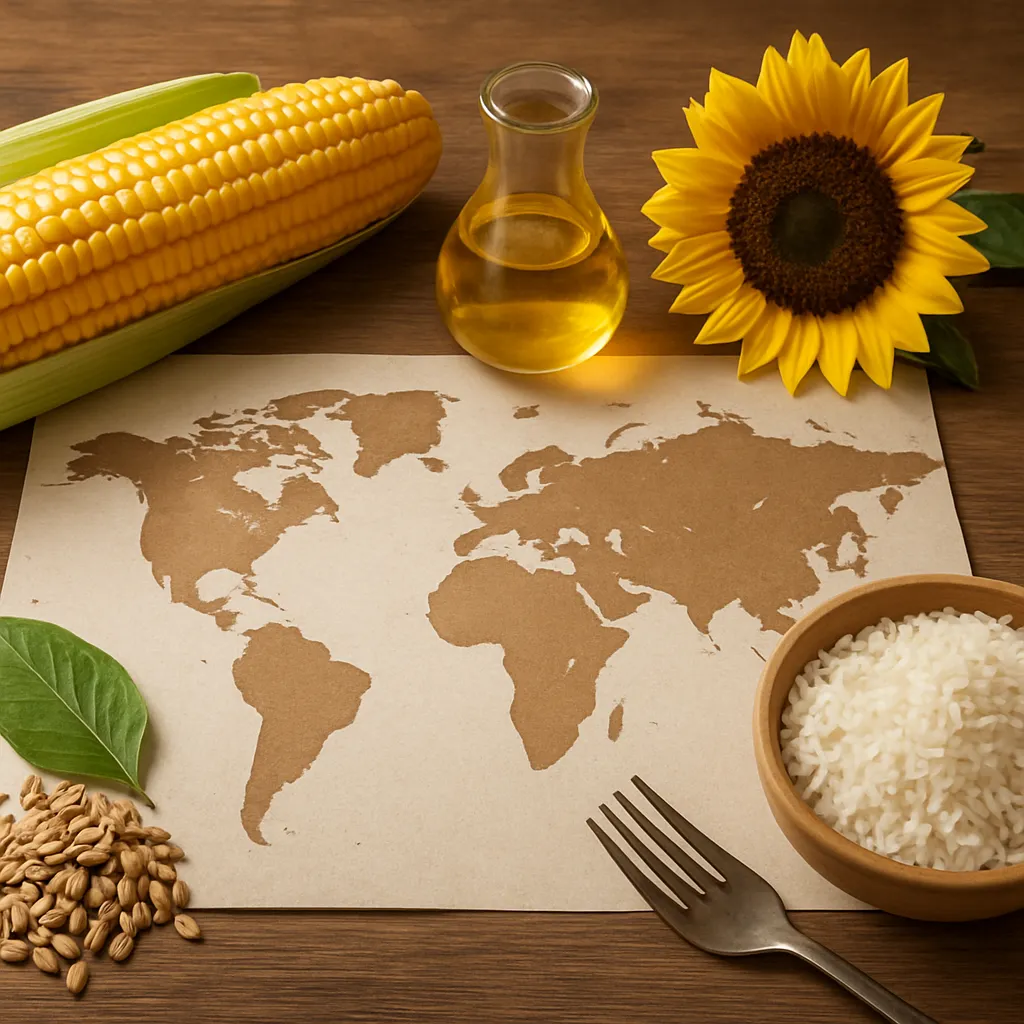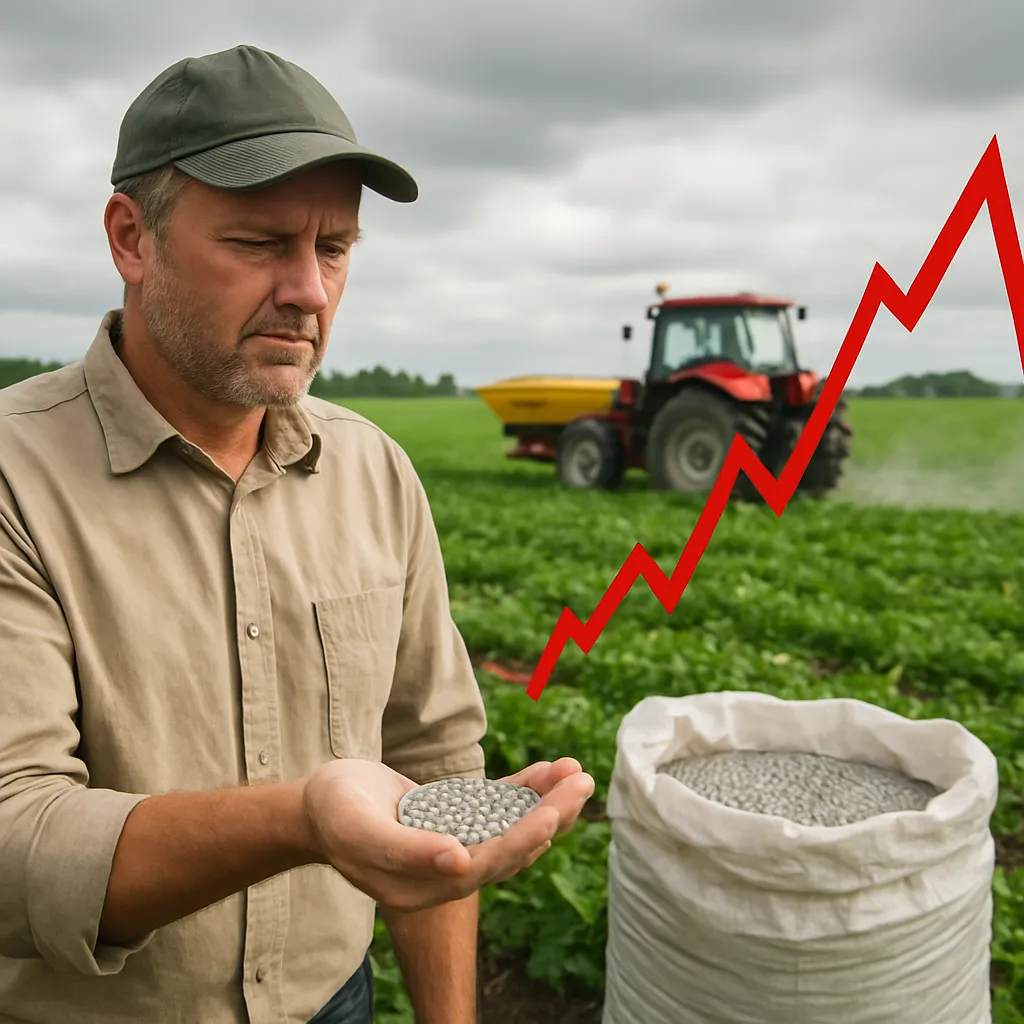
The interplay between rising prices worldwide and the essential inputs for crop production has become a focal point for stakeholders across the agriculture sector. Farmers, policymakers, and agribusinesses alike are grappling with the repercussions of surging costs caused by persistent inflation. Particularly, the price of fertilizer—critical for sustaining global food output—has skyrocketed, prompting an in-depth examination of underlying factors and long-term impacts.
Global Inflation Trends and Agricultural Inputs
As consumer goods and energy bills climb, so do the expenses tied to producing and transporting agricultural chemicals. The current wave of global inflation has been fueled by a complex mix of stimulus spending, supply shortages, and geopolitical tensions. Central banks have responded by tightening monetary policy, but the lag effect means input costs remain high for the farming community.
Key drivers behind elevated fertilizer prices include:
- Energy Costs: Natural gas prices directly affect the cost of ammonia-based fertilizers (rich in nitrogen), since natural gas is both feedstock and fuel in the Haber-Bosch process.
- Freight Rates: Container and shipping rates have soared due to port congestion and labor shortages, impacting imports of phosphate- and potash-based products (sources of phosphorus and potassium).
- Currency Fluctuations: Weaker local currencies against the US dollar amplify the burden on import-dependent countries, inflating local prices for global producers exporting to those markets.
In many regions, fertilizer now represents the largest single line item in crop budgets, overtaking seed and fuel expenses. This shift exposes the tight linkage between macroeconomic conditions and on-the-ground farm viability.
Supply Chain Disruptions and Fertilizer Production
Beyond macroeconomic pressures, persistent supply chain disruptions have eroded the stability of fertilizer availability. Production facilities have faced intermittent shutdowns due to maintenance backlogs, environmental regulations, and workforce constraints—each a byproduct of pandemic-era challenges.
Raw Material Constraints
The mining of phosphate rock and potash has been hampered by regulatory delays and social license issues, especially in sensitive ecological zones. Meanwhile, the extraction and processing of natural gas in key regions confront pipeline bottlenecks and export restrictions. The combined effect is a scarcity of critical feedstocks that underlies global fertilizer shortages.
Logistics and Distribution Hurdles
Once produced, fertilizers must traverse a labyrinthine network of rail, road, and maritime corridors. Recent port blockages and rail strikes in major exporting nations have delayed cargoes by weeks or even months. In response, buyers increasingly resort to spot-market purchases at premium rates, further driving up costs.
- Stockpiling: Countries with robust foreign reserves have engaged in preemptive stockpiling, tightening available supplies for others.
- Trade Barriers: Export controls on key nutrients by top-producing countries exacerbate shortfalls in dependent regions.
- Logistical Investments: Some agribusinesses are investing in private terminals and inland storage to mitigate volatility.
Economic Implications for Farmers and Food Security
Elevated fertilizer costs reverberate across the supply chain, from smallholder operations in Africa to large-scale grain farms in North America. Farmers face tough decisions between applying optimal nutrient rates or rationing inputs to conserve liquidity. Reduced fertilization often translates to yield declines, threatening both profitability and global food availability.
Crop Profitability and Decision Making
When fertilizer prices rise by 30–50 percent year-over-year, growers must re-evaluate cropping choices. High-value specialty crops may become less attractive if input-to-output price ratios collapse. Conversely, some producers pivot to legumes that fix atmospheric nitrogen, lowering dependency on purchased nitrogen fertilizers. However, rotation strategies require time and favorable agronomic conditions to implement successfully.
Regional Vulnerabilities
In emerging economies, where farm margins are often razor-thin, the impact of inflated input prices can be catastrophic. Governments may subsidize fertilizers to buffer producers, but such programs strain public budgets and risk inefficiencies. For net importing countries, elevated global prices feed directly into consumer food bills, worsening urban affordability challenges and potentially igniting social unrest.
- Global Market volatility: Fluctuating fertilizer availability creates unpredictable pricing cycles that hamper long-term planning.
- Food Security: Yield reductions risk supply shortages for staples like wheat, rice, and maize, compounding malnutrition concerns.
- Sustainability Pressures: Higher input costs can accelerate adoption of precision agriculture technologies aimed at optimizing nutrient usage.
Understanding the multifaceted relationship between global inflation and fertilizer dynamics is crucial for crafting resilient agricultural systems. Stakeholders must explore policy interventions, advance research into alternative nutrient sources, and invest in infrastructure to ensure stable food production despite economic headwinds.