Aquaculture has become a cornerstone of the modern global market, offering solutions to mounting food demands and resource constraints. The expansion of fish farming techniques is transforming traditional agriculture by integrating advanced technologies, environmental stewardship, and innovative business models. As the sector evolves, stakeholders around the world are focusing on ways to boost productivity, enhance sustainability, and respond to shifting consumer preferences. This article explores key drivers shaping the future of this dynamic industry.
Technological Advancements Driving Growth
The adoption of cutting-edge systems is revolutionizing production. Recirculating Aquaculture Systems (RAS) allow farmers to monitor water quality, temperature, and oxygen levels in real time. By coupling sensors with automation, operations achieve higher efficiency and reduce water usage by up to 90% compared to conventional ponds. Genetic selection programs and biosecurity protocols further minimize disease outbreaks, paving the way for consistent yield increases.
An array of innovations is supporting rapid expansion:
- Smart feeding technologies leveraging machine vision to optimize feeding schedules and reduce waste.
- Probiotic-enriched aquafeeds designed to strengthen fish immune systems and improve growth rates.
- Advanced broodstock management incorporating genomic tools to select disease-resistant and fast-growing strains.
- Blockchain-enabled traceability solutions ensuring product authenticity and supply chain transparency.
These developments illustrate how integrative approaches enhance performance across the value chain.
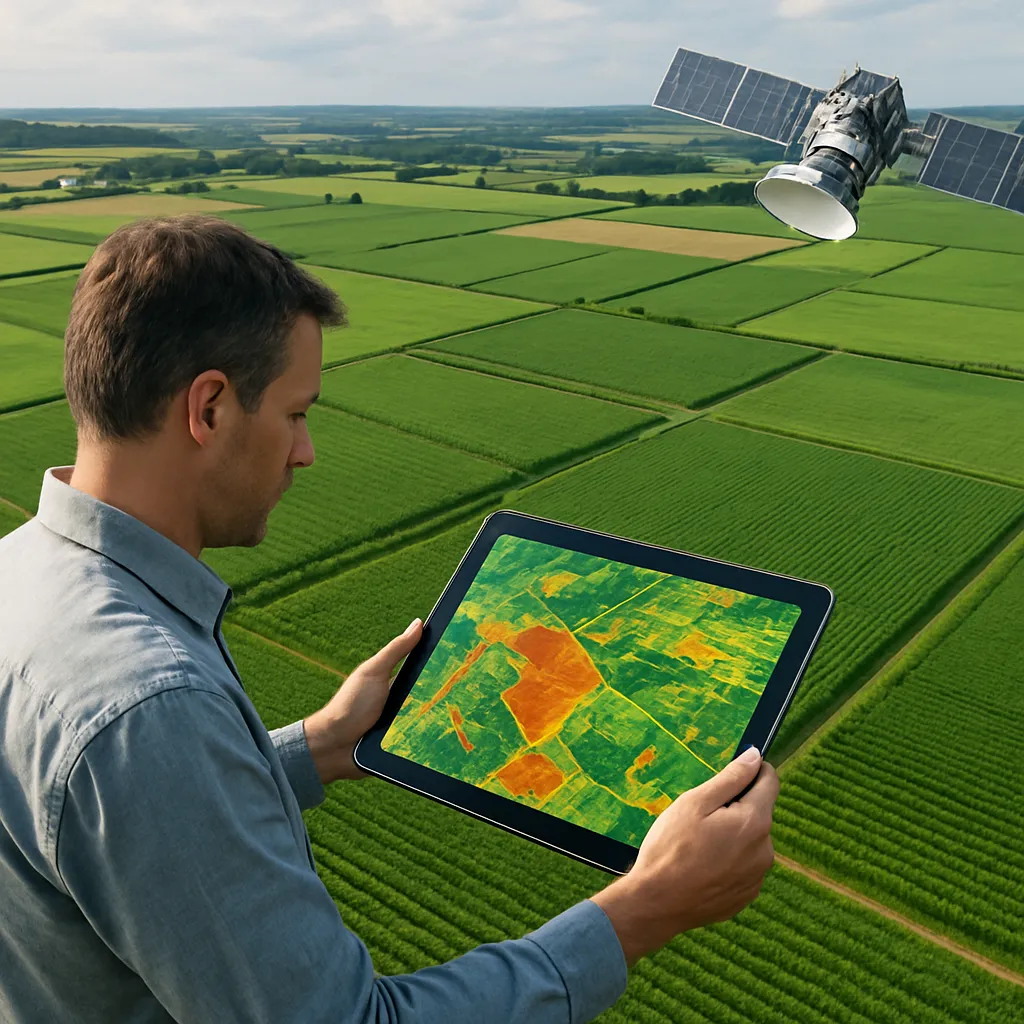
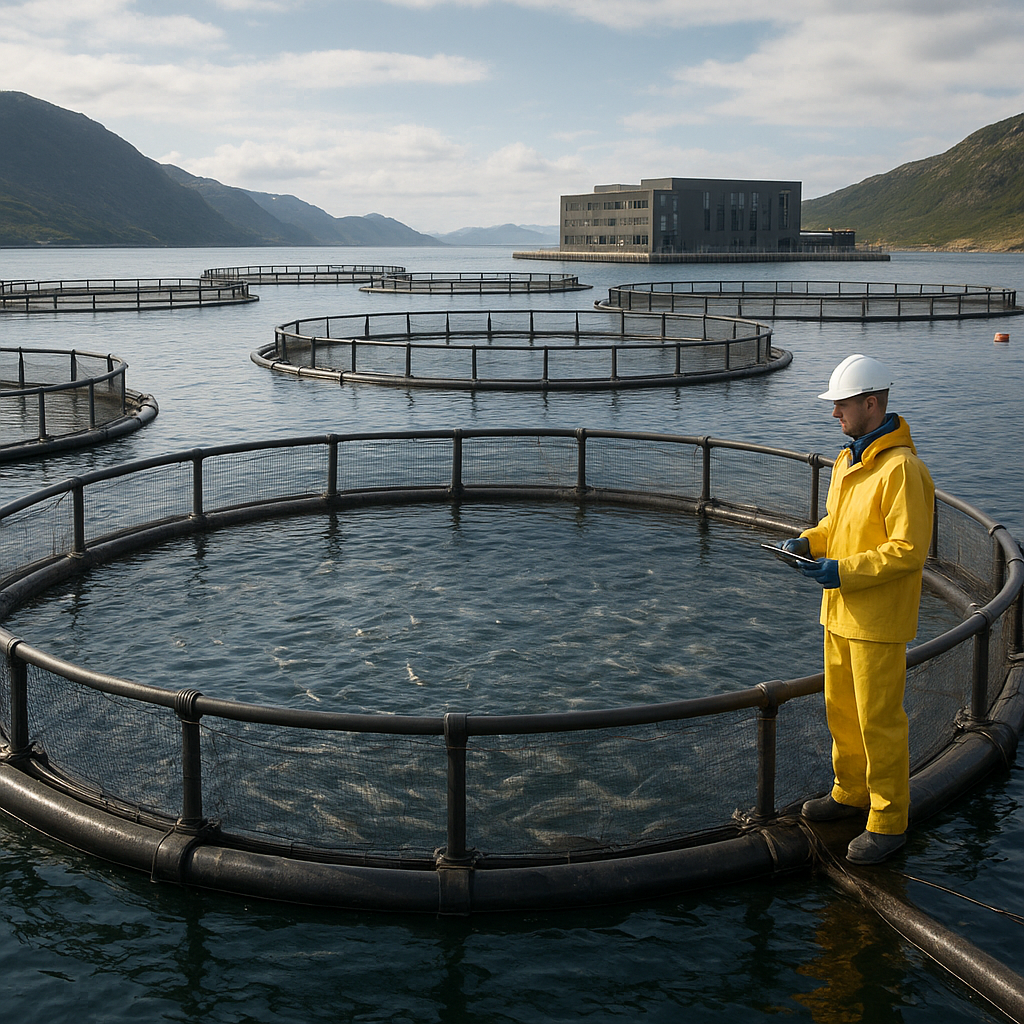
Moreover, drone-based surveillance and remote monitoring enable large-scale farms to oversee extensive marine cages or inland tanks with minimal labor costs. Artificial intelligence algorithms analyze behavioural patterns, detect anomalies early, and provide predictive maintenance alerts for pumps and filtration units. The convergence of digital tools and aquaculture operations is accelerating progress toward fully autonomous fish farms.
Sustainability and Environmental Impact
Efforts to reduce ecological footprints are at the forefront of industry initiatives. Practices such as Integrated Multi-Trophic Aquaculture (IMTA) encourage co-cultivation of fish with seaweed and shellfish. This mimics natural ecosystems, where waste from finfish becomes nutrients for other species. By closing nutrient loops, IMTA systems diminish effluent discharge and generate diversified revenue streams.
Innovation in feed formulations plays a pivotal role. Researchers are developing feed ingredients sourced from insect proteins, algae, and microbial biomass to replace fishmeal and fish oil. These alternatives not only relieve pressure on marine forage stocks but also contribute to reduced greenhouse gas emissions. Life cycle assessments confirm that novel diets can lower carbon footprints by as much as 40% over traditional feeds.
Water stewardship programs are gaining traction, focusing on maximizing reuse and employing biofiltration units that harness bacteria to break down harmful compounds. By optimizing water recirculation and treatment, producers conserve freshwater and mitigate environmental risks. Collaboration with regulatory agencies ensures that stringent effluent standards are met, fostering community acceptance and long-term viability.
Market Trends and Global Dynamics
Asia Pacific continues to dominate production, with countries like China, Vietnam, and India leading volumes. However, emerging regions such as Latin America and Africa are attracting capital inflows driven by favorable climatic conditions and low-cost labor. International trade agreements and improved logistics networks enable exporters to reach new consumer markets in Europe and North America.
Consumer demand is shifting toward responsibly farmed seafood with certified labels. Certifications from organizations like the Aquaculture Stewardship Council (ASC) and Friend of the Sea (FoS) assure buyers of ethical practices. Retailers and foodservice operators are responding by integrating sustainable seafood lines, reinforcing commitments to traceability and social accountability.
The rise of direct-to-consumer e-commerce channels offers fresh, farm-to-table products across continents. Digital marketplaces streamline ordering, shipping, and payment processes, while data analytics provide insights into purchasing behaviours. This digital transformation creates opportunities for smallholders and niche producers to compete internationally, diversifying supply sources and enhancing resilience.
Challenges and Future Outlook
Despite robust growth, the sector faces hurdles. Outbreaks of viral and bacterial diseases pose ongoing threats, necessitating continuous refinement of biosecurity measures and vaccine development. Climate change increases the risk of extreme weather events and temperature fluctuations, demanding adaptive infrastructure and species diversification.
Investment needs remain substantial. High upfront costs for constructing advanced facilities can limit access for small and medium enterprises. Public-private partnerships and development financing are essential to bridge funding gaps. Grant programs and low-interest loans can support technology adoption and workforce training in underserved regions.
Looking forward, priorities include enhancing supply chain traceability, fostering circular economy models, and scaling circular systems that reintegrate waste streams. Cross-sector collaboration between agritech firms, academic institutions, and government bodies will accelerate research breakthroughs. As stakeholders embrace digitalization and eco-friendly practices, aquaculture is poised to become a model for sustainable protein production in the 21st century.