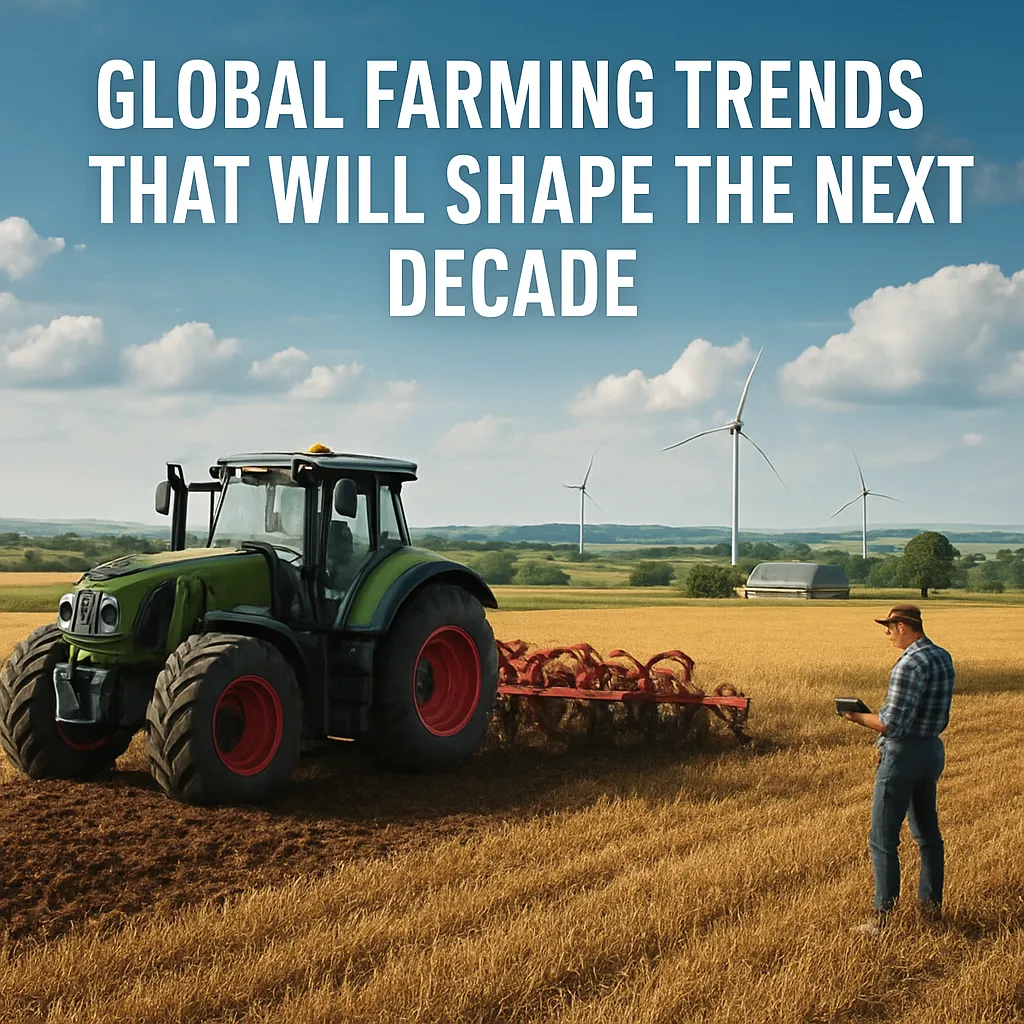
The coming decade will redefine how the world grows, trades and consumes food. From digital tools used in the field to new climate‑smart practices and shifting consumer expectations, farmers face both disruption and opportunity. Understanding the main global agriculture trends is now essential for producers, policymakers, investors and food companies that want to remain competitive and resilient. Agriculture is no longer only about yields per hectare; it is about managing data, carbon, water, biodiversity and social impact, while still ensuring profitability. This article explores the most important global farming trends that are set to shape the next decade and explains how they will transform production systems, labor models, regional roles and the relationship between farmers and consumers.
Digitalization And Data‑Driven Farming
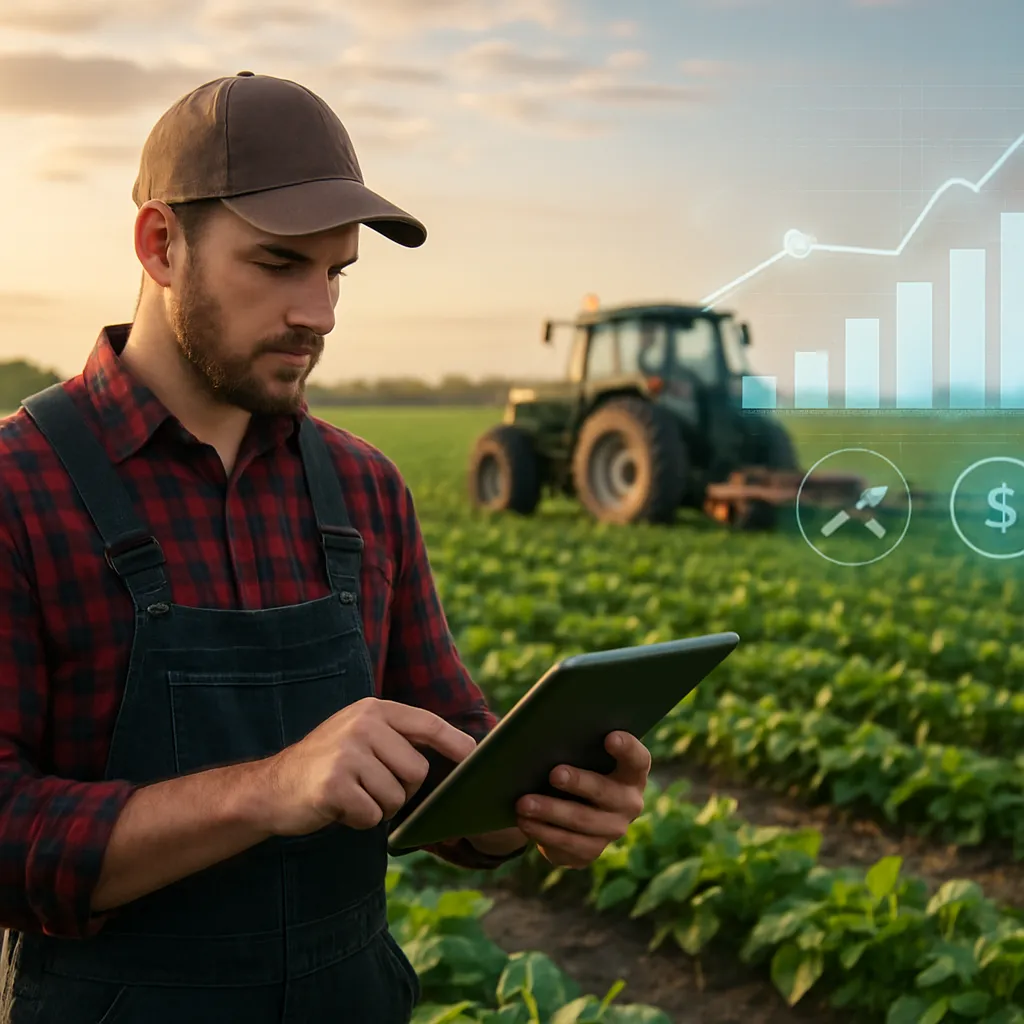
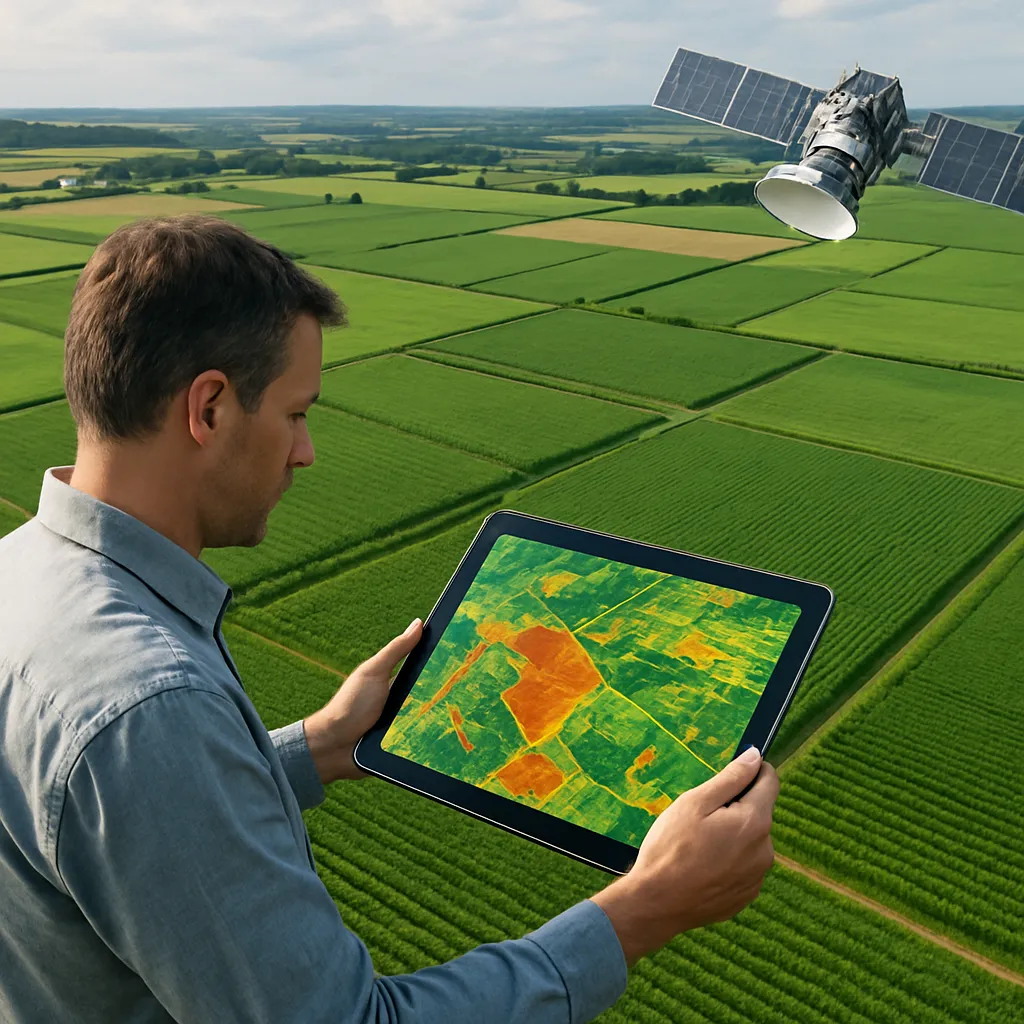
One of the strongest forces reshaping farming is the rapid spread of digital tools. Precision agriculture, farm management software, sensor networks and satellite imaging are turning fields into highly monitored and optimized systems. Farmers increasingly rely on real‑time data about soil moisture, plant health, weather patterns and machinery performance. This data allows them to apply fertilizers, water and crop protection only where and when they are needed, cutting both costs and environmental impact.
Machine learning models help predict disease outbreaks, recommend sowing dates and optimize harvest logistics. On large farms, fleets of connected machines share information to reduce overlaps and idle times. Smallholders also benefit from smartphone apps that deliver localized weather forecasts, price information and agronomic advice. Over the next decade, interoperability between platforms and machinery will become a critical issue. Farmers will want full control over their data and the freedom to change providers without losing historical records, leading to debates about data ownership and privacy.
Automation, Robotics And Labor Transformation
Labor shortages, rising wages and stricter safety regulations are accelerating the shift toward automation. Autonomous tractors, robotic weeders and harvesters are slowly moving from pilot projects to commercial reality. In specialty crops such as fruits and vegetables, robots equipped with cameras and advanced grippers are beginning to handle delicate harvesting tasks once thought impossible to automate.
This transformation will not remove humans from agriculture, but it will change the type of skills that are needed. Demand will grow for technicians who can maintain advanced equipment, analyze performance logs and integrate new software. Seasonal manual work will decline in some sectors, while higher value technical roles will appear. Regions with aging farming populations are likely to adopt robotic solutions faster, using technology to keep farms productive even with fewer workers available.
Climate‑Smart And Regenerative Practices
Climate change is already altering rainfall patterns, increasing heat stress and amplifying the risk of extreme weather events. In response, many farmers are turning toward climate‑smart and regenerative systems that aim to protect soil, water and biodiversity while keeping farms productive. Practices such as cover cropping, reduced tillage, diverse crop rotations and agroforestry help build soil organic matter, improve water infiltration and reduce erosion.
Over the next decade, more farms will experiment with integrating livestock into cropping systems, using managed grazing to cycle nutrients and stimulate grass growth. Interest in measuring and monetizing soil carbon will rise as governments and companies seek ways to offset emissions. However, long‑term success will depend on robust measurement methods and realistic expectations. Regenerative approaches must demonstrate not only ecological gains but also stable yields and acceptable risk levels for farmers who operate on thin margins.
Carbon Markets And Environmental Services
As many industries commit to net‑zero targets, agriculture is being asked to provide more than just food and fiber. Farms can store carbon in soils and vegetation, protect watersheds and maintain habitats. These services are starting to be recognized through emerging carbon markets and payment schemes for ecosystem services. In the coming decade, farmers may receive a portion of their income from selling verified environmental outcomes, such as reduced emissions or increased soil carbon stocks.
The design of these schemes will strongly influence their adoption. Simple, transparent rules and fair sharing of benefits are essential to build trust. Monitoring technologies like remote sensing, field sensors and standardized sampling protocols will play a key role in verifying outcomes at reasonable cost. There is also a risk that complex contracts could favor large, well‑resourced farms over smallholders. Policymakers and market designers will need to ensure that opportunities are accessible and that farmers retain adequate control over their land‑based assets.
Biotechnology And Next‑Generation Inputs
Biotechnology is entering a new phase, moving beyond first‑generation genetically modified crops toward more precise gene editing, improved biological inputs and customized seed varieties. Gene‑edited crops can be developed faster and may face different regulatory paths compared with older technologies, opening new possibilities for traits such as drought tolerance, nitrogen‑use efficiency and disease resistance. These traits are particularly important as climate variability increases and input costs remain volatile.
At the same time, biological inputs such as microbial inoculants, bio‑stimulants and bio‑pesticides are gaining ground. They aim to enhance plant resilience and reduce reliance on synthetic chemicals. The next decade will likely bring more integrated solutions that combine improved seed genetics with tailored microbial products and precise application technologies. Success will depend on strong field‑level evidence, clear labeling and practical guidance so that farmers can use these tools confidently and profitably.
Water Scarcity And Irrigation Innovation
Water stress will become one of the defining constraints for global farming. Many major producing regions already face declining groundwater levels, competition from urban areas and more erratic rainfall. Irrigated agriculture must therefore become more efficient and flexible. Technologies such as drip irrigation, soil moisture sensors and automated valves allow farmers to apply water directly to plant roots, minimizing evaporation and runoff.
In parallel, investment in water‑saving infrastructure, on‑farm storage and better drainage will rise. In some regions, farmers may shift to less water‑intensive crops or adjust planting calendars to match changing rainfall patterns. Policy frameworks that clarify water rights and encourage conservation will strongly influence how effectively these innovations are adopted. Cooperation within river basins will be crucial to avoid conflict and create win‑win solutions between agriculture, cities and natural ecosystems.
Shifting Geographies Of Production
Climate change, trade dynamics and domestic policies are gradually redistributing where certain crops are grown. Some temperate regions may become more suitable for crops that previously required warmer conditions, while others will face new pest and disease pressures. Trade tensions and the desire for more resilient supply chains are encouraging countries to diversify import sources and, where possible, boost domestic production.
This shifting geography will create both winners and losers. Farmers in newly favorable zones may see opportunities to expand or switch to higher value crops, but they will also need to adjust infrastructure, storage and processing capacity. In regions that become more marginal, resilience strategies such as drought‑tolerant varieties, mixed farming systems and off‑farm income sources will gain importance. Global agribusiness and logistics companies will re‑evaluate investment locations, ports, storage hubs and processing plants in response to these evolving patterns.
Urban Agriculture And Controlled Environments
Urbanization continues to accelerate, and with it comes growing interest in producing food closer to consumers. Urban farming, rooftop gardens and vertical farms located in or near cities are expanding, especially for perishable, high‑value crops like leafy greens and herbs. Controlled‑environment agriculture uses artificial lighting, climate control and recirculating water systems to achieve high yields with minimal land and reduced pesticide use.
While these systems are not a replacement for field agriculture, they can complement it by supplying fresh produce year‑round, reducing transport distances and providing local jobs. Over the next decade, technological improvements and declining costs of LEDs, sensors and automation will make such systems more competitive. Integration with renewable energy and waste‑heat recovery from buildings or industrial sites will further enhance their sustainability profile. Urban agriculture will also gain value as an educational tool, reconnecting city dwellers with production processes.
Changing Diets And Consumer Expectations
Consumer preferences are evolving rapidly. Many markets show rising demand for plant‑based proteins, animal welfare assurance and transparent supply chains. Farmers are being asked not only to produce more, but to produce differently. Documentation of practices, traceability from field to fork and clear communication about environmental and social performance are becoming core business requirements rather than optional extras.
Demand for specialty products such as organic, pasture‑raised or regionally certified foods will keep growing, though often from a small base. Farmers who can align production with emerging niches may secure price premiums and more stable relationships with buyers. However, meeting multiple certification standards can be complex and costly. Digital record‑keeping tools, shared verification platforms and harmonized standards will be increasingly important to ensure that compliance efforts are manageable and that added value is fairly distributed along the supply chain.
Local Resilience And Shorter Supply Chains
Recent disruptions to global logistics have revealed vulnerabilities in long, complex supply chains. In response, many governments, retailers and processors are looking to strengthen local and regional sourcing. For farmers, this can translate into more opportunities to sell directly to consumers, restaurants or local institutions, as well as into shorter, more transparent value chains with fewer intermediaries.
Shorter supply chains can increase trust and allow producers to capture a larger share of the final price, but they also require new skills in marketing, packaging and customer relations. Cooperatives, producer organizations and digital marketplaces will help small and medium‑sized farms access these channels. Over the next decade, a hybrid model is likely to dominate: global trade will remain essential for many commodities, while regional networks expand for perishable and identity‑preserved products.
Financial Innovation And Risk Management
As climate and market volatility grow, financial tools for managing agricultural risk will become even more important. Index‑based insurance, weather derivatives and revenue‑protection products are gradually spreading to new regions. At the same time, sustainability‑linked loans and green bonds are emerging, offering better terms to farms that meet specific environmental performance criteria.
Access to finance remains a major barrier, especially for smallholders and young farmers. Digital credit scoring, based on yield histories, satellite imagery and transaction records, may unlock new lending channels, but it also raises concerns about data use and fairness. Over the coming decade, collaboration between banks, cooperatives, agritech firms and public institutions will shape how inclusive and effective these financial innovations become. Training on financial literacy and risk management will be as important as the products themselves.
Youth, Inclusion And Knowledge Transfer
The future of farming depends heavily on who chooses to work in agriculture. Many rural areas face aging populations and limited opportunities for young people. At the same time, agriculture is becoming more knowledge‑intensive, demanding skills in data analysis, engineering, biology and business management. Encouraging youth participation will require not only access to land and finance, but also modern education, digital connectivity and attractive career paths.
Inclusive growth will also depend on better integration of women and marginalized groups into agricultural value chains. Evidence shows that when women have equal access to resources, training and markets, productivity and household resilience improve. Over the next decade, successful farming systems will be those that combine traditional local knowledge with modern science, ensuring that innovation is grounded in the realities of each landscape and community.
Governance, Standards And Policy Direction
Policy frameworks and international standards will strongly influence how the above trends play out. Regulations on pesticides, fertilizers, water use, land tenure and trade shape both costs and incentives for farmers. Sustainability reporting requirements for food companies are cascading down the value chain, leading to new data demands at farm level. Clear, stable and science‑based rules will be critical to support investment and long‑term planning.
Public research and extension services will remain essential for ensuring that innovations reach diverse types of farms, not only the largest or most connected. Multi‑stakeholder platforms that bring together farmers, agribusiness, civil society and researchers can help align expectations and avoid fragmented, conflicting demands. In the coming decade, the quality of governance and the inclusiveness of decision‑making will be as important as technology in determining whether global agriculture becomes more sustainable and resilient.
Preparing For The Next Decade
Together, these trends point toward a future in which farming is more digital, climate‑aware and closely linked to environmental performance, but also more complex. Farmers will increasingly operate at the intersection of food security, climate policy, ecosystem management and consumer demands. Those who proactively invest in knowledge, networks and adaptable systems will be better positioned to thrive.
The next decade will not offer a single universal model for success. Instead, it will reward context‑specific solutions, grounded in local conditions yet informed by global experience. By embracing innovation while protecting the core functions of land, water and rural communities, agriculture can continue to feed a growing population and provide vital ecosystem services. The challenge is immense, but so is the potential for a more resilient and genuinely sustainable global food system.