The edible oil sector has experienced a remarkable transformation over the past decade, driven by evolving consumer preferences, shifts in agricultural policies, and the emergence of new processing technologies. This analysis delves into the core aspects of the global edible oil market, examining production patterns, consumption trajectories, price fluctuations, and sustainability challenges. By exploring supply-and-demand dynamics, regional trade flows, and the major factors influencing pricing, stakeholders can gain a comprehensive understanding of this vital component of the agricultural global market.
Global Market Overview
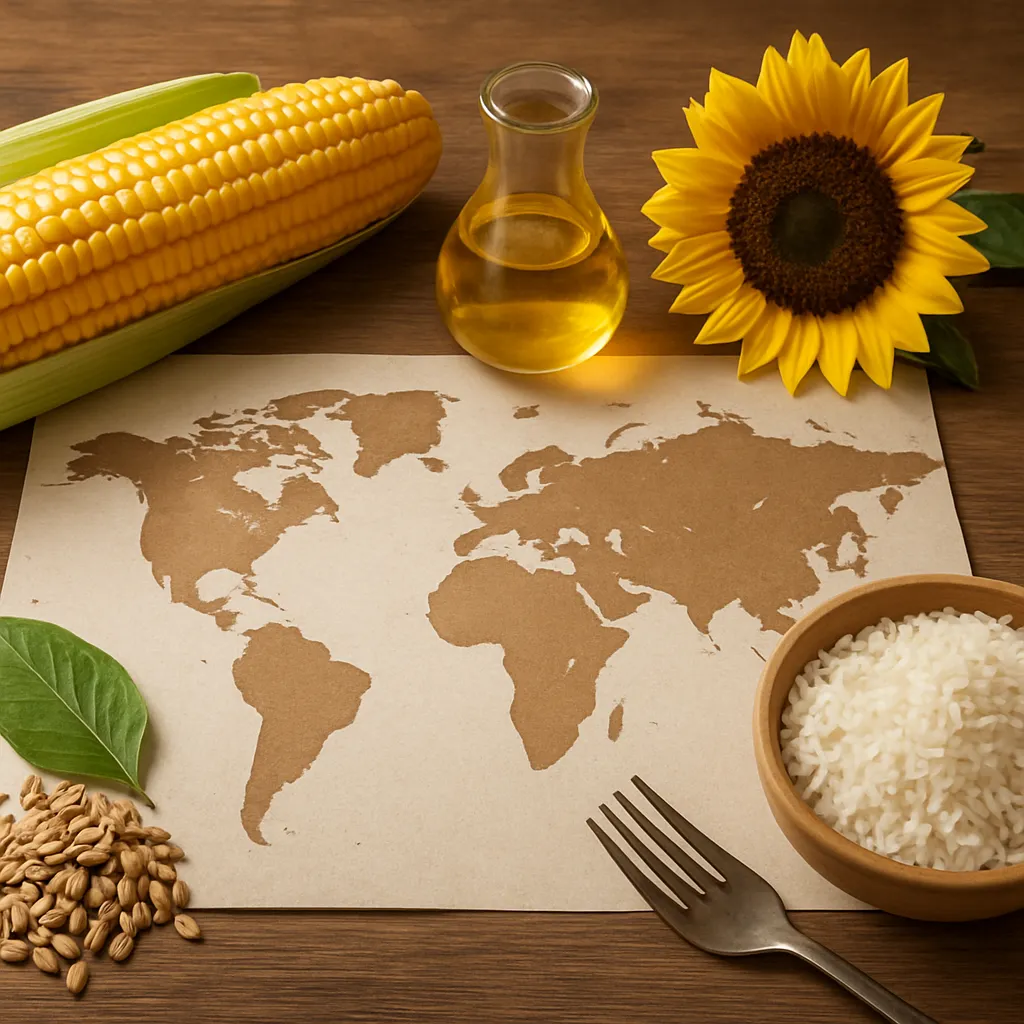
The international edible oil landscape is dominated by a handful of key commodities: palm oil, soybean oil, sunflower oil, canola oil, and rapeseed oil. Each of these oils serves distinct culinary, industrial, and biofuel applications. As the world’s population continues to rise and diets diversify, the demand for edible oils has surged, with per-capita consumption reaching unprecedented levels in many emerging economies. Major producers include Indonesia, Malaysia, Brazil, and the United States, while significant importers span from the European Union to China and India.
To illustrate the market structure:
- Indonesia and Malaysia account for over 85% of global palm oil output.
- Brazil and the United States dominate soybean oil production, benefiting from extensive arable land.
- European countries, notably Germany and France, lead in rapeseed oil and canola cultivation.
- Ukraine and Russia are pivotal suppliers of sunflower oil to both European and Asian markets.
These production centers are subject to climatic variability, volatility in input costs, and evolving regulatory frameworks aimed at promoting sustainability and protecting tropical forests.
Supply and Demand Dynamics
Edible oil supply chains encompass seed cultivation, harvesting, extraction, refining, and distribution. Fluctuations in production can stem from weather anomalies such as El Niño events, which impact yields in Southeast Asia and South America. Meanwhile, demand is driven not only by culinary use but also by the expanding biofuel sector. Government mandates on renewable energy have boosted the consumption of oils like palm and soybean in biodiesel blends, intensifying competition between food and fuel sectors.
- Consumption growth is strongest in Asia-Pacific, where rising incomes and urbanization fuel higher cooking oil usage.
- In developed regions, health trends and dietary guidelines have shifted preferences toward oils rich in unsaturated fats, such as olive and canola oil.
- India, one of the world’s largest importers, adjusts tariffs and stockpile policies to stabilize domestic pricing and protect local growers.
- Crop rotation practices and soil management play a critical role in ensuring consistent yields and mitigating environmental impact.
Despite robust global output, logistical bottlenecks—port congestion, limited storage capacity, and rising freight rates—can constrain the effective distribution of edible oils, leading to regional imbalances.
Price Trends and Influencing Factors
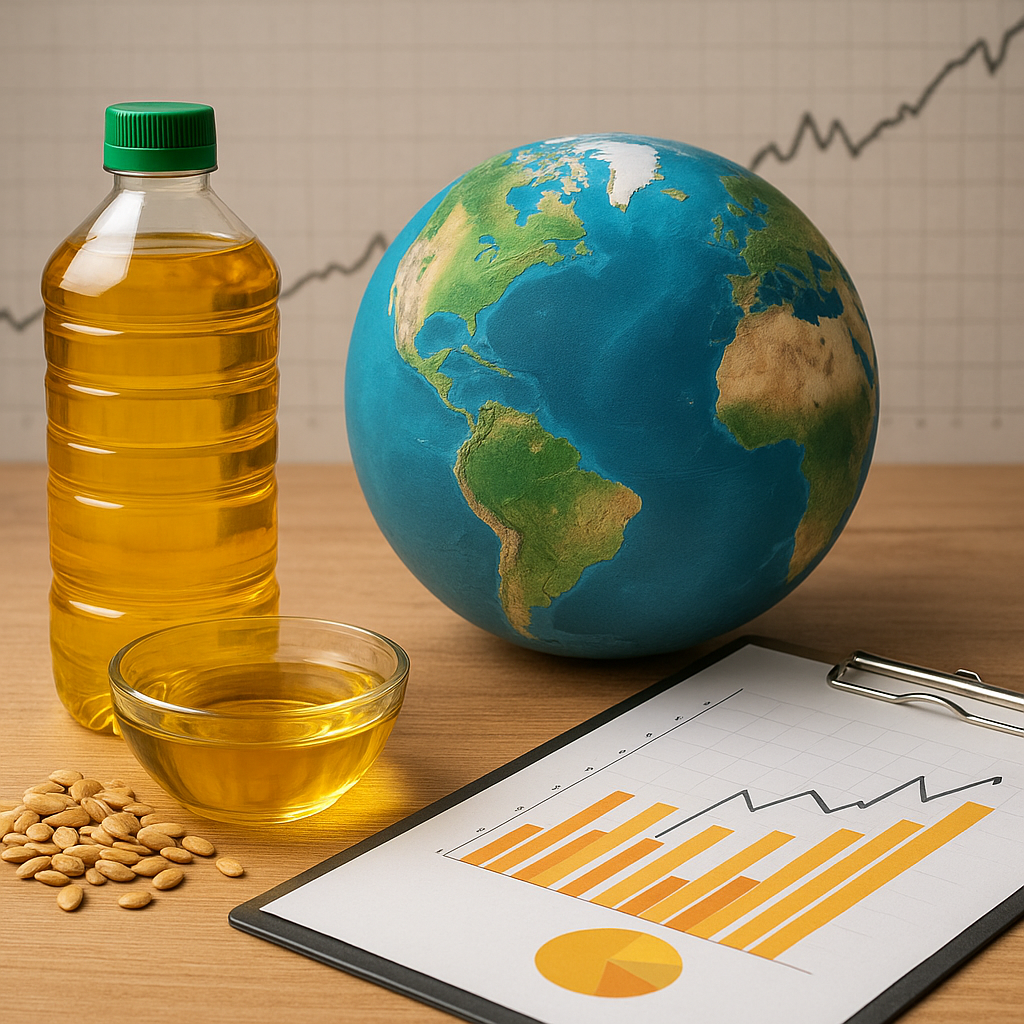
Edible oil prices exhibit pronounced cyclicality, influenced by seasonal harvests, geopolitical tensions, and macroeconomic indicators such as currency movements and inflation. For instance, a weaker local currency in exporting nations often translates into more competitive overseas offers, while higher freight charges can compress export margins.
Key determinants of price movements include:
- Global vegetable oil inventory levels
- Energy costs, which affect processing and transport expenses
- Policy changes, including export bans, import tariffs, and sustainability certifications
- Market speculation and futures trading in commodities exchanges
Historical data reveals that price spikes in palm oil often coincide with drought conditions in Indonesia and Malaysia, whereas soybean oil prices are closely linked to U.S. Midwest growing season outcomes. Sunflower oil prices have recently trended upward due to supply disruptions in Ukraine, illustrating how regional conflicts can ripple through global markets.
Regional Insights and Trade Flows
Trade patterns in edible oils display distinct regional dependencies:
- Asia-Pacific remains heavily reliant on palm oil imports, with China and India absorbing more than half of global exports.
- The European Union sources a diversified basket—palm, rapeseed, and sunflower oils—while promoting higher blends of domestic rapeseed oil in biofuel mandates.
- North America is largely self-sufficient in soybean oil but still participates in global markets through occasional imports of palm oil for food processing industries.
- Middle Eastern and North African markets depend on imports for nearly all of their edible oil requirements, making them sensitive to price volatility and shipping disruptions.
Logistics corridors such as the Strait of Malacca, the Panama Canal, and Black Sea shipping routes are crucial for timely deliveries. Any blockage or policy shift affecting these lanes can trigger immediate price adjustments and supply chain realignments.
Future Outlook and Sustainability Challenges
Moving forward, the edible oil industry faces the dual challenge of meeting growing demand while adhering to stricter environmental and social governance criteria. Initiatives like the Roundtable on Sustainable Palm Oil (RSPO) and zero-deforestation commitments aim to curb harmful agricultural practices. However, compliance costs and certification complexities can strain smallholder farmers.
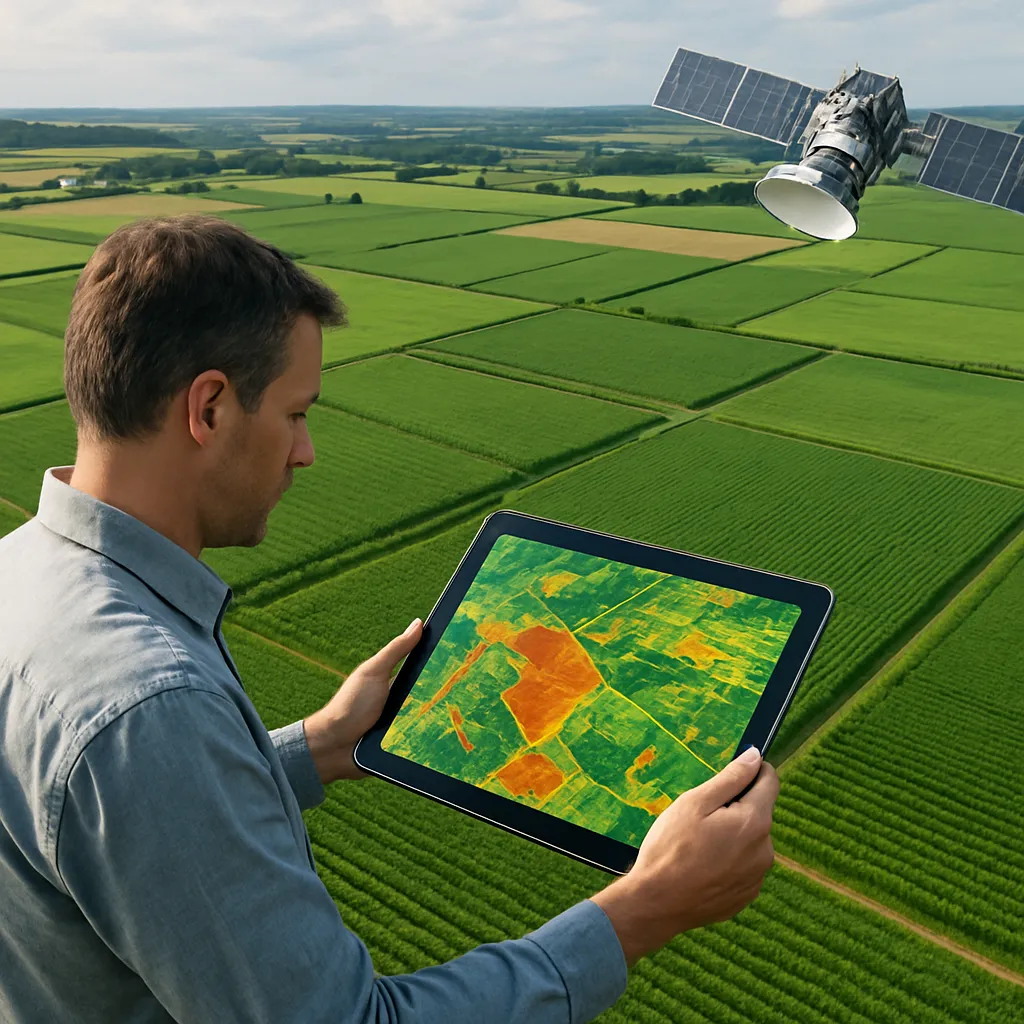
Technological advancements in precision agriculture, including satellite monitoring and AI-driven yield prediction, promise to optimize production efficiency and reduce the ecological footprint. At the same time, alternative oil sources—such as algal oils and genetically enhanced oilseed crops—are under development to diversify the supply base and enhance sustainability.
Consumption patterns may continue to shift as health-conscious consumers favor oils with higher omega-3 content, prompting refiners to innovate product lines. Additionally, digital platforms for traceability and blockchain-enabled supply chain transparency are gaining traction, offering end-users greater confidence in the origin and ethical standards of their edible oils.