Artificial intelligence is revolutionizing the global agricultural market by optimizing how food moves from farm to table. Advances in machine learning and predictive analytics are enabling stakeholders to anticipate demand, reduce waste, and streamline operations across continental arteries. This transformation impacts producers, distributors, retailers, and consumers alike by reshaping the traditional pathways of supply and demand.
Impact of AI on Global Food Logistics
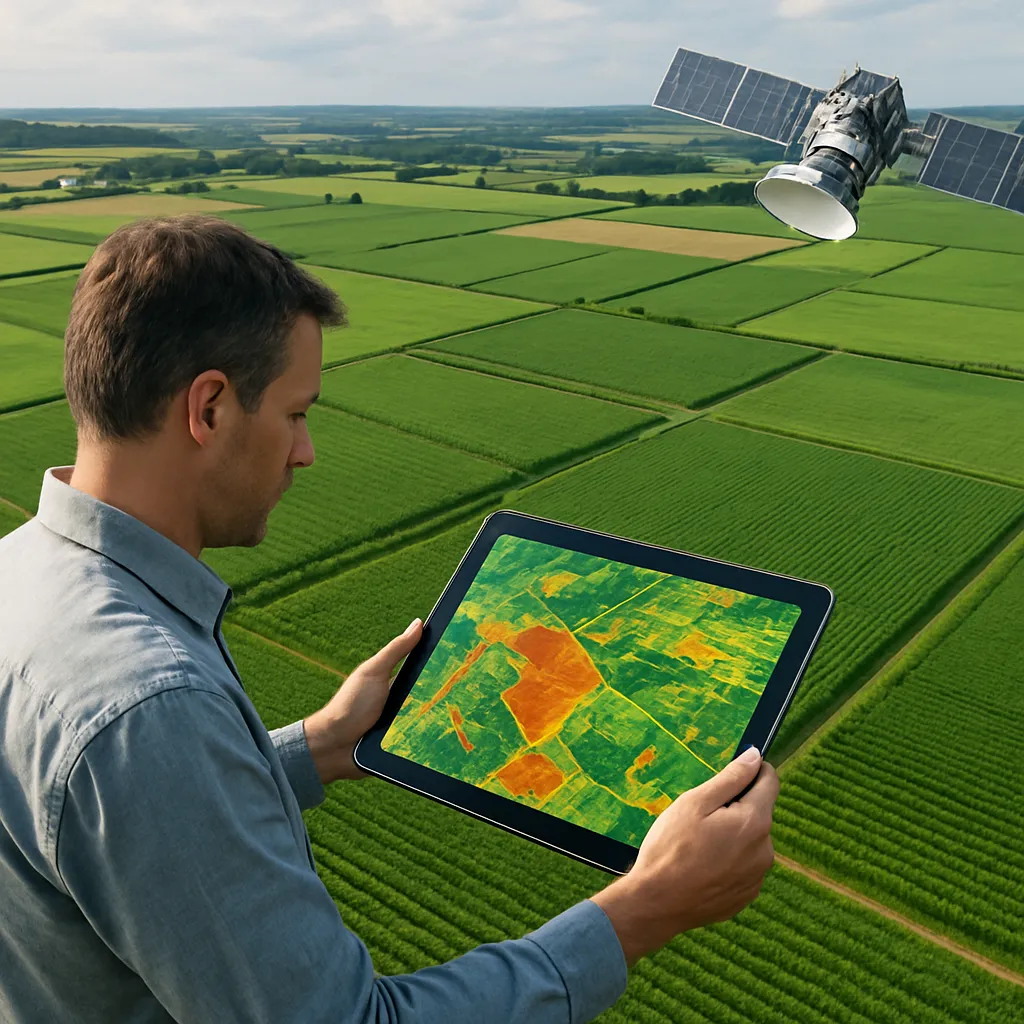
Food distribution has long suffered from inefficiencies caused by unpredictable weather, fluctuating demand, and fragmented supplier networks. Today, AI-driven platforms ingest vast amounts of data—ranging from satellite imagery to market prices—to generate real-time insights. These insights improve route planning, warehouse utilization, and last-mile deliveries.
- Route optimization: AI algorithms analyze traffic patterns, fuel costs, and driver availability to determine the most efficient paths for refrigerated trucks and rail shipments.
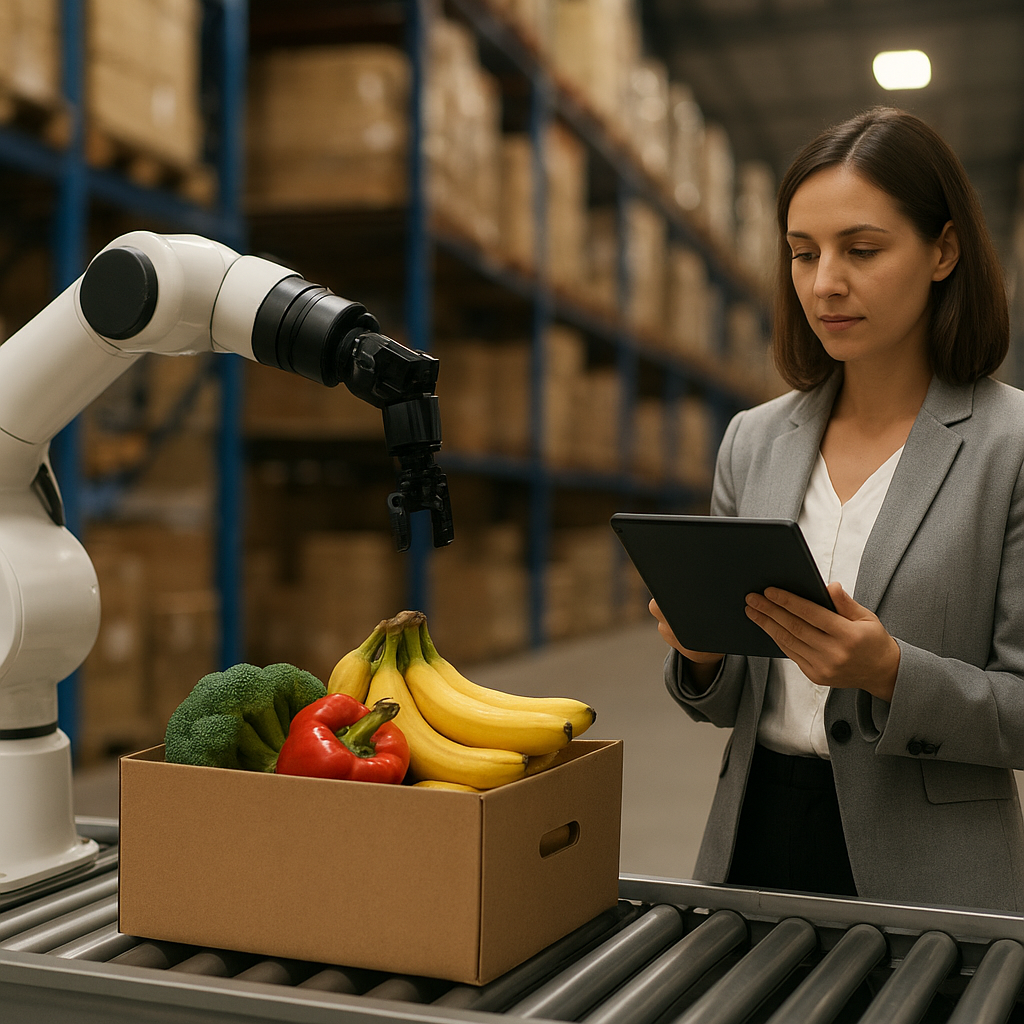
- Warehouse automation: Robotics guided by AI vision systems handle sorting, packing, and palletizing faster than manual labor, reducing human error and labor costs.
- Inventory management: Predictive models forecast stock levels, alerting managers about potential shortages or surpluses days in advance.
Implementation of these technologies leads to higher efficiency across interconnected networks. Companies adopting smart platforms report up to a 30% reduction in transportation expenses and a 20% drop in spoilage. By harnessing AI insights, stakeholders can fine-tune distribution schedules to align with consumer purchasing patterns.
Enhancing Transparency and Traceability with AI
Modern consumers demand visibility into food origins and safety protocols. AI-powered blockchain solutions record every stage of the supply chain, from harvesting to supermarket shelves. Immutable ledgers store data points such as temperature logs, handling operations, and certification statuses.
- Digital passports: Each batch of produce is assigned a unique identifier linked to on-farm sensor readings and processing records.
- Automated alerts: Machine learning models flag anomalies—like temperature spikes during transit—that could compromise freshness or safety.
- Consumer interfaces: Mobile apps allow shoppers to scan QR codes and instantly verify product authenticity and ethical sourcing claims.
Such systems foster greater trust among retailers and end consumers, while also enabling rapid response to contamination events. When an outbreak occurs, businesses can pinpoint affected lots within hours, rather than days or weeks, preventing widespread recalls and safeguarding brand reputation.
Driving Sustainability through Intelligent Distribution
Global agriculture faces mounting pressure to reduce carbon footprints and conserve resources. AI contributes to sustainable practices by optimizing load capacities, minimizing empty runs, and calculating the most eco-friendly transport modes.
Key AI-driven sustainability initiatives include:
- Dynamic consolidation: Systems group shipments by destination proximity and product compatibility to eliminate redundant trips.
- Fuel-efficient routing: Algorithms choose low-emission corridors and recommend switching to rail or maritime legs where feasible.
- Carbon tracking: Platforms measure greenhouse gas emissions at each stage, supplying actionable metrics for corporate sustainability reports.
By integrating environmental data with traditional logistics parameters, companies can achieve a dual benefit: lower operational costs and a minimized ecological impact. Stakeholders who leverage these innovations often qualify for green financing and tax incentives tied to reduced emissions.
Role of Robotics and Automation in Distribution Centers
Distribution centers are evolving into high-tech hubs where human labor is complemented by autonomous machines. AI-driven robotics handle repetitive tasks, while computer vision systems ensure correct product placement and quality control.
- Automated guided vehicles (AGVs): These carry pallets and cases between picking stations, dynamically adjusting routes to avoid collisions.
- Sorting robots: Advanced manipulators equipped with suction and grippers identify packages by shape and barcode, achieving rapid throughput.
- Quality inspection: AI cameras detect bruises or packaging defects, diverting substandard items away from the supply chain.
Such automation reduces labor shortages and enhances throughput during peak seasons. Distribution centers that incorporate AI report a 40% increase in order processing speed, vital for retailers facing surges in e-commerce demand.
Challenges and Future Perspectives for AI in Food Distribution
Despite its promise, AI adoption in agriculture and food logistics raises challenges around data privacy, integration complexity, and workforce displacement. Smaller farms and co-ops may lack the digital infrastructure to support advanced platforms. Furthermore, diverse regulatory environments complicate cross-border data sharing.
- Data standardization: Harmonizing formats for sensor outputs, transactional records, and compliance documents remains an industry priority.
- Skill gaps: Workforce training is essential to bridge the divide between traditional operations and AI-enhanced workflows.
- Ethical considerations: Balancing automation gains with responsible labor practices requires clear corporate policies and government oversight.
Looking ahead, the integration of AI with emerging technologies—such as Internet of Things (IoT) networks and edge computing—will create more resilient, adaptive distribution systems. Farmers will collaborate with AI-driven marketplaces to negotiate fair pricing, while logistics providers leverage real-time data streams to self-optimize delivery chains. Ultimately, the synergy between human expertise and smart machines will sculpt a more responsive, equitable, and sustainable global food network.