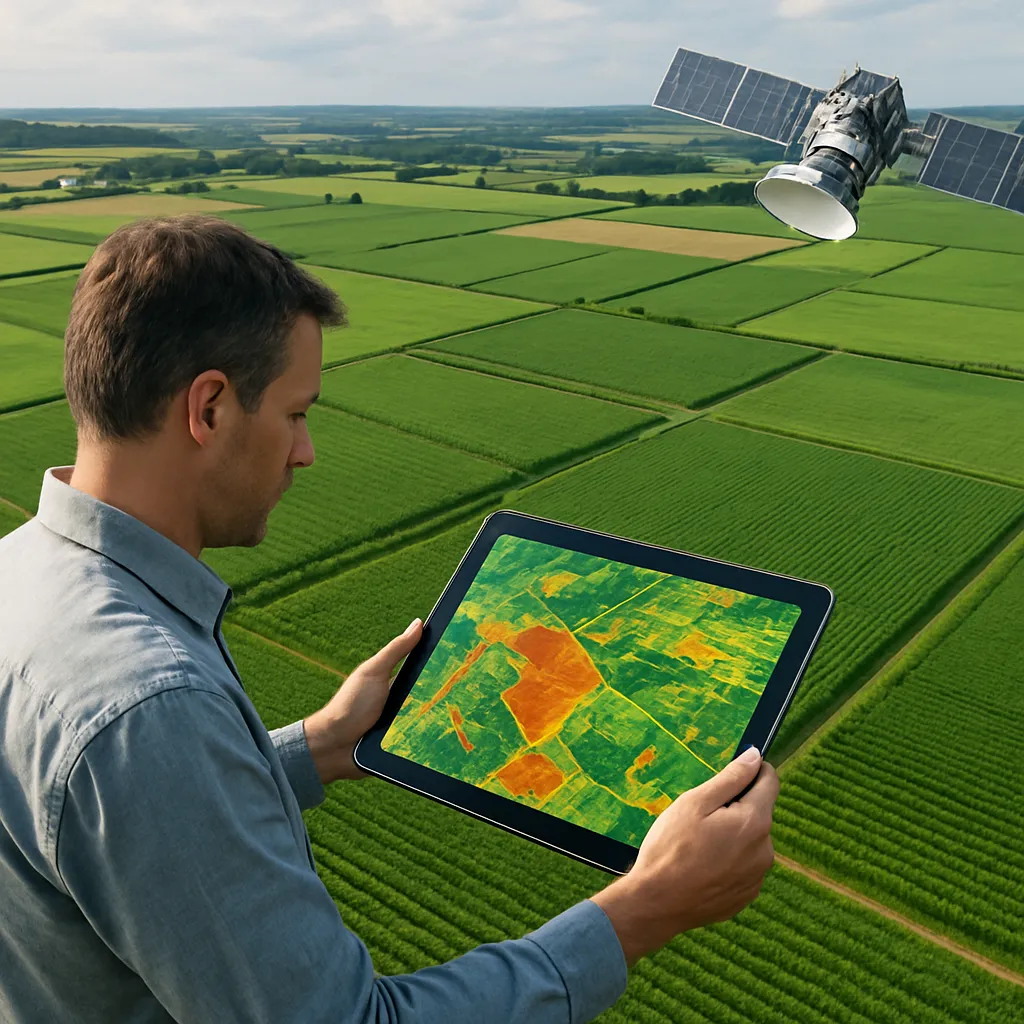
The intricate network that moves agricultural products from farm fields to dinner tables has become increasingly scrutinized by informed consumers and industry stakeholders alike. As global markets expand and environmental concerns intensify, the demand for visible, accountable supply chains has never been higher. Properly implemented transparency measures not only safeguard product quality and safety but also foster enduring relationships between producers, retailers, and consumers. This article examines how transparent practices are redefining trust in the worldwide agriculture sector, the technologies that enable end-to-end visibility, and the strategic steps stakeholders can take to meet evolving expectations.
Understanding Supply Chain Transparency in Global Agriculture
Supply chain transparency involves openly sharing information about every stage of a product’s journey—from seed selection and cultivation methods to transportation, processing, and final sale. In a globalized marketplace, agricultural goods often cross multiple borders, undergo various handling processes, and are subject to distinct regulatory frameworks. This complexity can obscure critical data about origin, methods, and safety standards, leaving consumers uncertain about the authenticity and ethical footprint of their purchases.
Producers aiming to elevate transparency must document:
- Farm management practices, including water usage and soil conservation.
- Use of fertilizers, pesticides, and other chemical inputs.
- Harvesting and post-harvest treatment procedures.
- Transportation routes, storage conditions, and cold-chain maintenance.
- Processing facility certifications and quality-control records.
By integrating these data points into a cohesive system accessible to downstream partners and end users, companies can demonstrate accountability while reducing the risk of fraud, contamination, or unethical labor practices. Transparent systems also empower farmers by providing verifiable proof of their commitment to sustainability and fair-trade standards, potentially commanding higher market prices.
Consumer Trust and Market Growth
Modern consumers are more discerning than ever: they seek assurances that the food they buy is both safe and ethically produced. Studies show that shoppers are willing to pay premiums for products backed by verifiable claims about origin, animal welfare, and environmental stewardship. Transparency directly fuels consumer confidence by:
- Enabling visible verification of organic or non-GMO certifications.
- Providing details about labor conditions and fair wages.
- Highlighting carbon footprints and water usage metrics.
- Offering real-time updates on shipment status and product freshness.
Retailers and brands that embrace transparency enjoy several competitive advantages. First, they can differentiate themselves in crowded marketplaces through traceable claims that resonate with eco-conscious demographics. Second, they mitigate risks associated with product recalls and reputation damage—rapidly identifying and isolating contaminated batches minimizes financial losses and protects public health. Third, transparent practices strengthen loyalty: shoppers who trust a brand’s integrity are more likely to become repeat customers and brand advocates.
Enabling Technologies for Traceability
Emerging technologies provide the backbone for robust supply chain visibility. Key tools include:
- Blockchain: Immutable ledgers record each transaction and transfer of goods. Because blockchain entries cannot be altered retroactively, stakeholders gain confidence in the authenticity of data and reduce the incidence of fraudulent claims or mislabeling.
- Internet of Things (IoT) Sensors: Deployed in fields, warehouses, and transport vehicles, sensors continuously monitor temperature, humidity, and location. Automated alerts ensure prompt corrective action if conditions deviate from predefined thresholds, preserving product quality and safety.
- Cloud-Based Platforms: Centralized dashboards aggregate data from disparate sources—farmers, processors, logistics providers, and retailers—offering real-time access to critical metrics and analytics. Secure permission settings allow stakeholders to share appropriate levels of detail without compromising proprietary information.
- Mobile Applications: User-friendly apps enable field workers and auditors to scan QR codes or RFID tags, instantly logging activities such as pesticide application or equipment maintenance. These records feed directly into the traceability system, reducing manual paperwork and errors.
When combined, these technologies create a comprehensive, tamper-proof view of the supply chain. As a result, brands can generate dynamic traceability reports that consumers access via smartphone scans, delivering instant assurance of product lineage and ethical sourcing practices.
Overcoming Obstacles and Advancing Standards
Despite clear benefits, achieving full transparency in agricultural supply chains faces multiple challenges:
- Fragmentation: Smallholder farmers, especially in developing regions, may lack digital infrastructure or technical expertise to participate in traceability programs.
- Cost Constraints: Implementing IoT sensors, blockchain solutions, and extensive auditing can require significant upfront investments in both technology and training.
- Data Privacy: Balancing the need for openness with protection of proprietary information demands robust governance frameworks and clear data-sharing agreements.
- Regulatory Variation: Differing labeling requirements and food-safety standards across countries complicate efforts to harmonize transparency initiatives on a global scale.
To address these obstacles, industry coalitions and governments are collaborating on certification schemes and standardized protocols. For example, public-private partnerships are funding training programs that equip farmers with mobile connectivity and digital literacy. International bodies are developing unified traceability guidelines that align with World Trade Organization agreements, reducing redundant audits and harmonizing expectations.
Furthermore, fintech innovations—such as microloans linked to compliance milestones—help finance the adoption of advanced traceability systems among small-scale growers. By tying credit access to verifiable improvements in compliance and reporting, these programs incentivize participation and strengthen the overall integrity of supply chains.
Empowering Stakeholders for a Transparent Future
As consumer demand for ethical, sustainable agriculture continues to rise, transparent supply chains will become less of a differentiator and more of a requirement. Producers that invest in traceability, technology, and collaborative data-sharing practices stand to benefit from:
- Enhanced market access and preferential trade terms.
- Reduced insurance premiums and liability risks.
- Improved negotiation power with distributors and retailers.
- Deeper insights into operational efficiencies and areas for improvement.
Ultimately, transparency cultivates an ecosystem built on trust, where every link—from seed to shelf—is accountable and visible. As the agricultural global market evolves, companies that embrace openness and uphold the highest standards of integrity will lead the way, earning consumer loyalty and shaping the future of food.