The global meat substitutes sector has witnessed remarkable transformation over the past decade, driven by shifts in dietary preferences, environmental imperatives, and advances in food science. This article delves into the factors shaping the market and examines emerging trends that will influence its trajectory. By exploring growth dynamics, regional variations, and technological breakthroughs, we aim to provide a comprehensive forecast for stakeholders across the agricultural and food industries.
Market Dynamics and Growth Drivers
Several interlinked forces are propelling the expansion of the meat substitutes industry. Rising health consciousness among populations has elevated the appeal of products perceived as cleaner and lower in saturated fat. Ethical concerns about animal welfare have further motivated a move toward alternatives. In addition, the pressing need for sustainability has spotlighted the substantial resource footprint of conventional livestock farming. As a result, countless start-ups and established protein giants are investing heavily in the development of new offerings.
Key drivers include:
- Increasing consumer awareness of diet-related health issues
- Governmental policies supporting reduced greenhouse gas emissions
- Corporate commitments to ethical sourcing and climate targets
- Technological advancements enabling scalable production
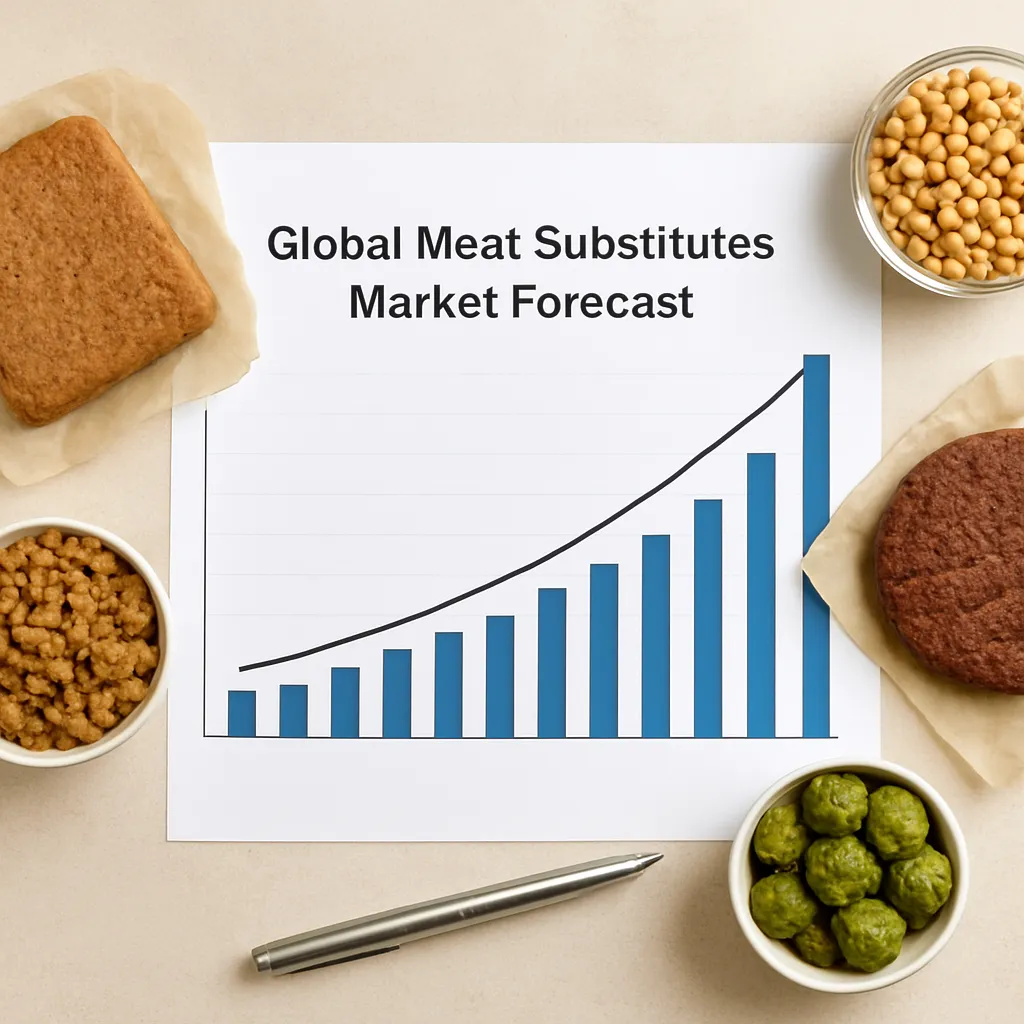
These factors together fuel a growing demand for alternatives that can mimic taste, texture, and nutritional profiles of meat. Market forecasts predict a compound annual growth rate of over 15% in the next five years, underscoring substantial opportunities for players across the value chain.
Regional Analysis and Forecast Trends
The global landscape of meat substitutes is far from uniform. Regional socio-economic conditions, culinary traditions, and regulatory environments shape adoption rates and product portfolios. By examining major geographies, we can identify pockets of rapid expansion as well as areas poised for future growth.
North America
North America remains a leading market, driven by strong purchasing power and a robust ecosystem of innovation hubs. Consumers in the United States and Canada are increasingly experimenting with plant-based burgers, sausages, and dairy analogues. Retail penetration is high, with supermarkets dedicating dedicated freezer sections to meat-free options. Strategic partnerships between food producers and quick-service restaurant chains are further broadening reach.
Europe
European countries, particularly Germany, the Netherlands, and the United Kingdom, display advanced consumer receptiveness. Stringent regulatory frameworks around food labeling and sustainability reporting have incentivized manufacturers to develop clean-label formulations. Ongoing expansion of online grocery platforms has also made niche products more accessible.
Asia-Pacific
In Asia-Pacific, rapid urbanization and rising incomes have fueled interest in alternative proteins, although adoption is still in early stages. China and Southeast Asian nations present vast potential due to large populations and shifting dietary norms. Local entrepreneurs are blending traditional soy and pea proteins with regional flavors to resonate with domestic palates.
Latin America and Middle East
While per capita consumption of substitutes remains modest in Latin America and the Middle East, governmental initiatives to enhance food security and diversify protein sources are creating new avenues for growth. Importantly, cost competitiveness will be crucial in these price-sensitive markets.
Key Technologies and Innovation in Meat Substitutes
Technological breakthroughs are central to improving product quality and driving down production costs. A diverse array of methods is being deployed to create textures and flavors that closely resemble those found in animal-derived foods without compromising on nutritional value.
- Precision fermentation: Microorganisms are engineered to produce proteins identical to those in meat, offering authentic taste and mouthfeel.
- Cellular agriculture: Cultivated meat grown from animal cells enables production of true meat cuts without slaughter, though large-scale commercialization remains a few years away.
- 3D printing: Advanced printing techniques can assemble layers of plant or cell-based materials to mimic muscle fiber alignment, improving texture realism.
Investment and Funding Landscape
Equity investments in alternative protein companies have surged, with venture capitalists and corporate venture arms deploying billions of dollars in recent funding rounds. Leading themes in investor due diligence include scalability, intellectual property, supply chain integration, and route to market. Public-private collaborations are also emerging, aiming to support research in high-impact projects.
Regulatory Framework and Safety
Regulatory approval remains a critical milestone for novel products. Authorities across different regions have adopted varied approaches: some have expedited pathways for foods deemed Generally Recognized As Safe (GRAS), while others require extensive safety trials and labeling disclosures. Harmonization of global standards will be essential to facilitate cross-border trade and reduce time-to-market.
Ultimately, success in the meat substitutes arena depends on a balanced interplay between culinary authenticity, nutritional adequacy, and cost-efficiency. The coming years will witness intensified R&D collaboration, consumer education campaigns, and continuous optimization of manufacturing processes to meet the evolving expectations of environmentally conscious and health-focused consumers.