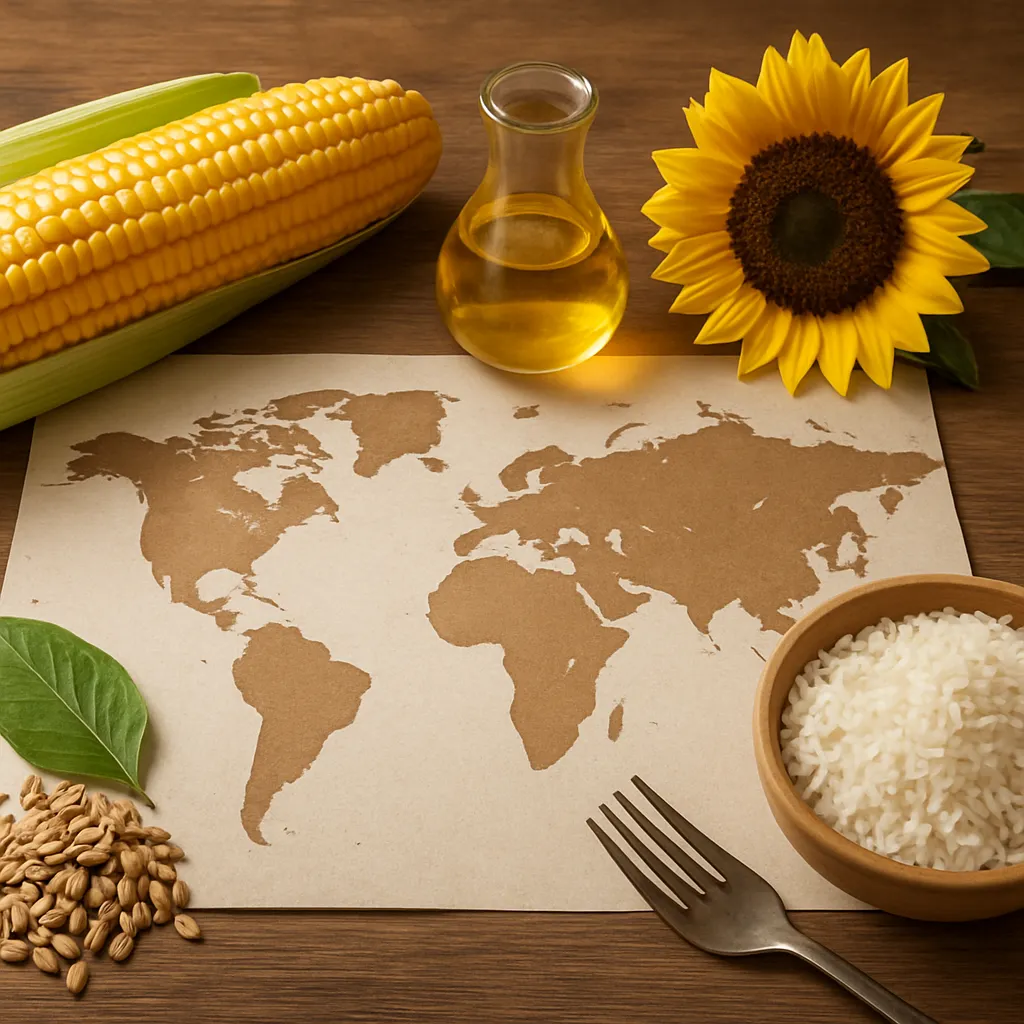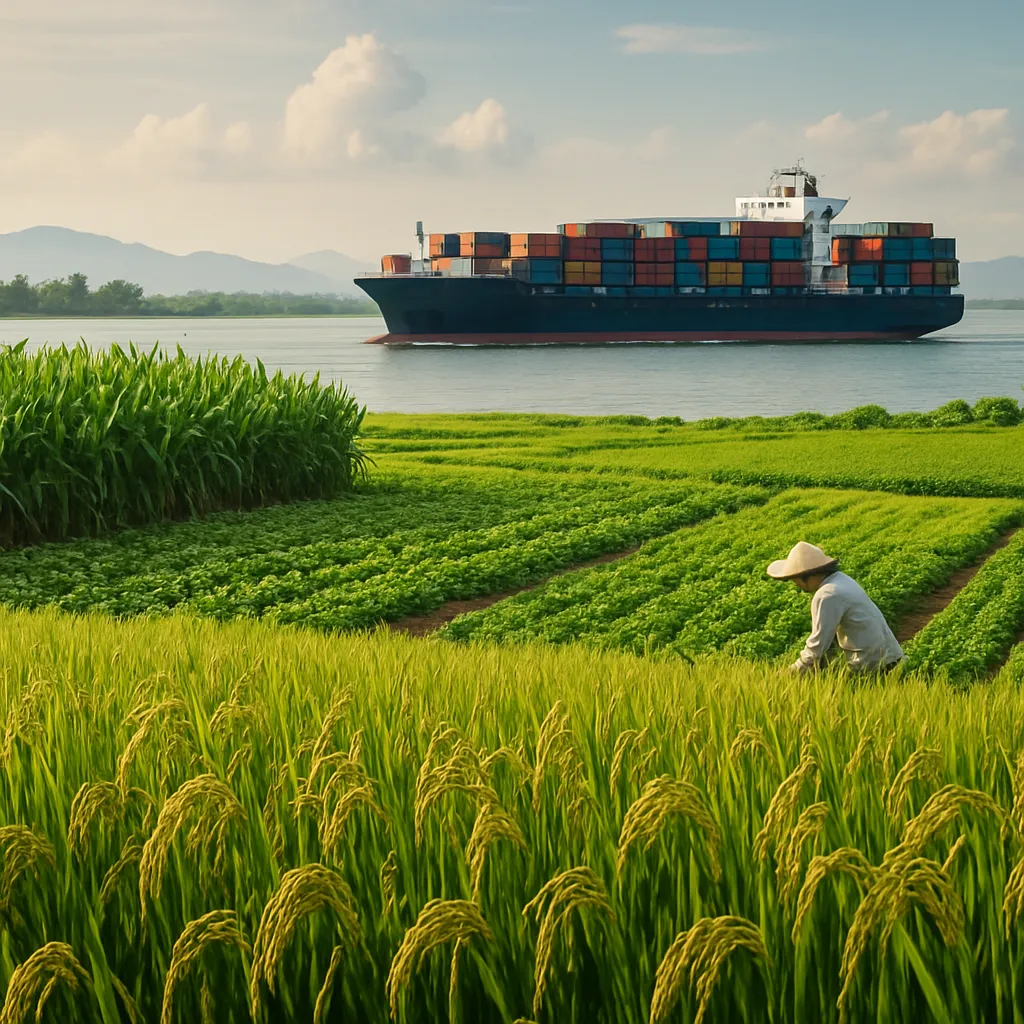
Global agricultural exporters are increasingly eyeing the vast and diverse markets of Asia, where burgeoning populations and rising incomes are driving unprecedented demand for food and agricultural goods. As countries across the region modernize their consumption patterns, opportunities abound for suppliers able to navigate complex regulatory environments, evolving consumer tastes, and dynamic trade policies. This article explores key **market dynamics**, identifies high-potential **export commodities**, examines logistical and policy challenges, and highlights emerging **technologies** that can boost competitiveness in Asia’s agricultural sector.
Market Dynamics in Key Asian Economies
Asia’s economic landscape is defined by both scale and diversity. With more than half of the global population residing in this region, demand for staples and value-added products continues to expand. Rapid urbanization and growing middle classes in countries such as China, India, Indonesia, and Vietnam are shifting dietary preferences toward higher-protein diets and premium food items. The following factors shape current and future export prospects:
- Population Growth: Asia’s population is projected to exceed 5.3 billion by 2050, fuelling demand for staple grains, oils, and proteins.
- Income Diversification: Rising disposable incomes drive consumption of fruits, vegetables, dairy, meat, and processed foods.
- Urbanization: By 2030, more than half of Asia’s population will live in urban centers, encouraging expansion of modern retail and cold chains.
- Trade Liberalization: Bilateral and regional trade agreements such as the Regional Comprehensive Economic Partnership (RCEP) reduce tariffs and harmonize standards.
- Consumer Preferences: Increased health awareness bolsters demand for organic, non-GMO, and functional ingredients.
China and India: Giants of Consumption
China and India alone account for over 35% of global food demand. In China, government policies emphasize **sustainability** and domestic self-sufficiency in strategic crops, leading to strong imports of soybeans, rapeseed, and feed grains. India, meanwhile, is emerging as both a major exporter and importer, requiring pulses, edible oils, and horticultural products to meet shortfalls.
ASEAN Growth Corridors
Member states of the Association of Southeast Asian Nations (ASEAN) are forging closer economic ties. Vietnam and Thailand export rice, seafood, and rubber, while Malaysia and Indonesia are world leaders in palm oil production. These countries also import grains, dairy products, and specialized food ingredients to cater to urban elites and the tourism sector.
Strategic Export Commodities and Supply Chains
Successful penetration of Asian markets depends on selecting commodities that align with regional demand and ensuring efficient delivery through reliable logistics. Key export segments include:
- Grains and Oilseeds: Soybeans, wheat, corn, and canola remain staples for animal feed and processed foods. Exports must meet stringent phytosanitary standards and often require certification of sustainable farming practices.
- Fruits and Vegetables: Off-season sourcing from temperate zones delivers fresh produce to Asian consumers. Advanced cold chain infrastructure and rapid customs clearance bolster shelf life.
- Animal Proteins: Poultry, pork, beef, and seafood drive high-margin opportunities. Traceability and disease-free status are critical for market access.
- Dairy and Functional Foods: Milk powders, cheese, yogurt cultures, and nutraceutical ingredients benefit from Asia’s health and wellness trend.
- Processed and Packaged Foods: Ready-to-eat meals, snacks, sauces, and bakery items leverage brand appeal and convenience consumption.
Value Chain Integration
Building end-to-end **value chains** is vital for competitive exports. Key components include:
- Supplier partnerships in origin countries to ensure consistent quality and volume.
- Investments in digitalization of procurement, inventory management, and demand forecasting.
- Coordinated logistics networks incorporating sea freight, rail, and road transport.
- Compliance with traceability protocols and blockchain-based tracking systems to satisfy regulatory and consumer transparency demands.
Challenges and Policy Implications
Despite attractive opportunities, exporters face obstacles ranging from regulatory complexities to infrastructure gaps. Understanding these challenges enables better market entry strategies:
- Tariffs and Non-Tariff Barriers: Even within free trade agreements, specific products may encounter high duties, quotas, or import licensing requirements.
- Stringent Sanitary and Phytosanitary (SPS) Measures: Ensuring products meet microbiological and chemical residue limits demands rigorous quality control.
- Infrastructure Deficits: Inland transport, cold storage capacity, and port efficiency vary widely among Asian countries, affecting shipment lead times and costs.
- Currency Fluctuations: Exchange rate volatility can erode export profitability, necessitating hedging strategies.
- Geopolitical Risks: Trade disputes or shifting tariffs may disrupt established supply routes and trade partnerships.
Regulatory Alignment and Standards
Harmonizing standards across multiple jurisdictions is a major policy priority. Exporters benefit from engaging with industry associations and multilateral bodies to drive mutual recognition of certifications and testing protocols. Collaboration with local importers to secure partnerships also facilitates navigation of bureaucratic procedures and cultural nuances.
Future Trends and Technological Innovations
Looking forward, several trends and technological breakthroughs will shape the next decade of agricultural trade with Asia:
- Climate-Smart Agriculture: Adoption of drought-resistant crop varieties, precision irrigation, and reduced-input farming enhances resilience and appeals to environmentally conscious consumers.
- Digital Platforms: E-commerce marketplaces and B2B portals enable small and medium exporters to reach niche customer segments without heavy fixed costs.
- Blockchain and IoT Integration: Real-time monitoring of temperature, humidity, and location ensures compliance with cold chain requirements and combats fraud.
- Alternative Proteins: Plant-based and cultured meat products are gaining traction among younger, urban consumers seeking lower-carbon footprints.
- Fintech Solutions: Supply chain finance and mobile payment systems address working capital constraints and facilitate cross-border transactions.
Building Supply Chain Resilience
The COVID-19 pandemic underscored the importance of diversified sourcing and agile logistics. Exporters are now investing in multi-lane distribution strategies, including dual-port routing and alternative maritime corridors, to mitigate future disruptions. Incorporating real-time risk analytics and scenario planning can further strengthen supply chain resilience.
Asia’s significant and sustained demand for agricultural imports offers a compelling growth pathway for exporters who can deliver quality, reliability, and innovation. By aligning with evolving trade policies, embracing advanced technologies, and forging strong partnerships, global suppliers can solidify their position in one of the world’s most dynamic markets.