The global agricultural machinery market is experiencing a significant transformation, propelled by evolving **farming practices**, shifting **consumer demands**, and accelerating **technological advancements**. This comprehensive outlook delves into the core factors shaping the industry, examining key drivers, innovative solutions, regional growth patterns, and future prospects. Stakeholders across the value chain—from equipment manufacturers to agribusiness investors—are navigating a landscape defined by **sustainability**, **efficiency**, and digital **integration**.
Market Dynamics and Drivers
Demand Shifts in Emerging Economies
Rapid urbanization and rising incomes in regions such as Southeast Asia, Africa, and parts of Latin America have spurred demand for **commercial agriculture** solutions. Smallholder farmers are increasingly transitioning from manual tools to mechanized equipment, seeking to maximize **yield** and reduce labor dependency. Government subsidies and favorable credit schemes further bolster adoption rates of tractors, harvesters, and tillage implements. As a result, manufacturers are customizing machinery to meet diverse soil types, crop patterns, and climatic conditions, enhancing **versatility** and local relevance.
Policy Frameworks and Regulatory Impact
Strict environmental regulations and emission standards in North America and Europe are compelling original equipment manufacturers (OEMs) to invest in **clean technologies**. Incentive programs encourage the uptake of low-emission engines and precision-guided equipment, aimed at reducing greenhouse gas emissions. On the other hand, import tariffs and trade agreements still pose challenges, affecting the global **supply chain** and pricing models. Policymakers must strike a balance between protecting local industries and fostering cross-border collaboration to ensure steady progress.
Technological Innovations Shaping Machinery
Precision Agriculture and IoT Integration
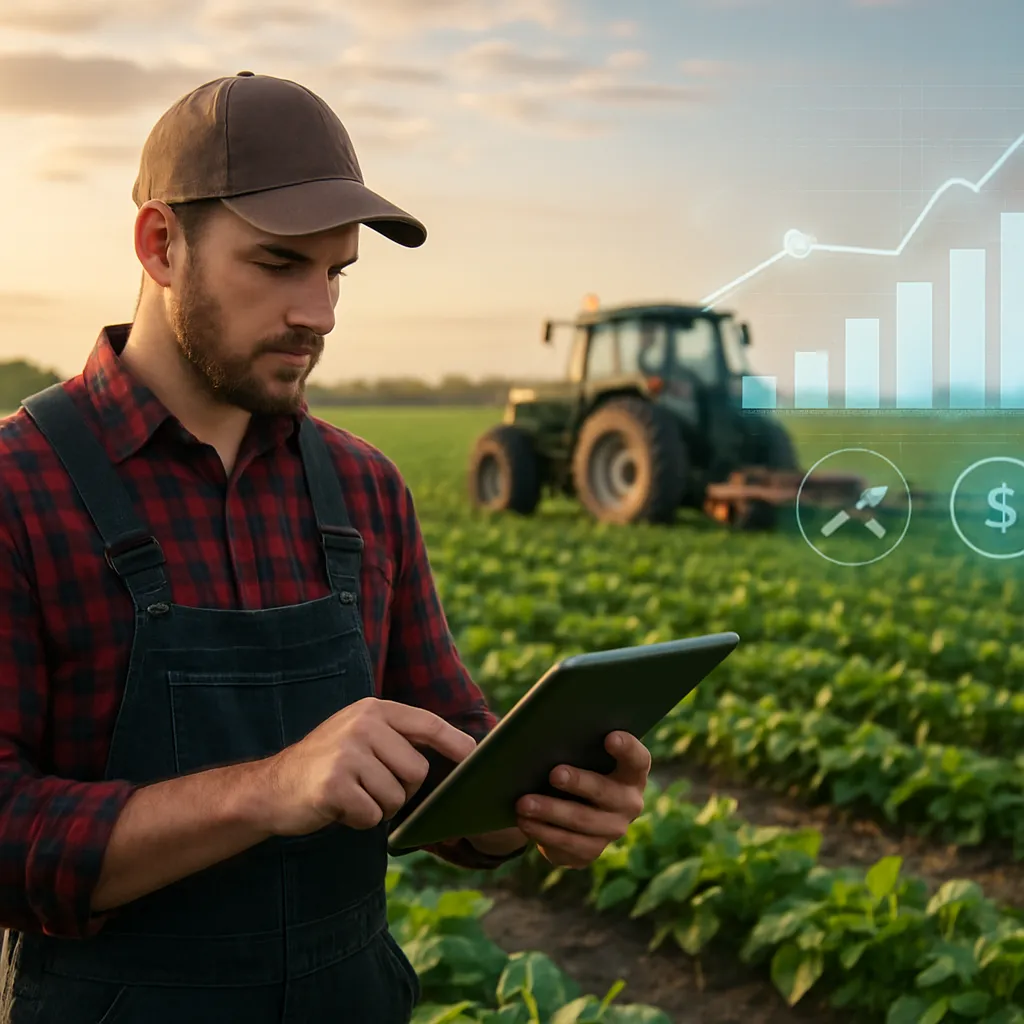
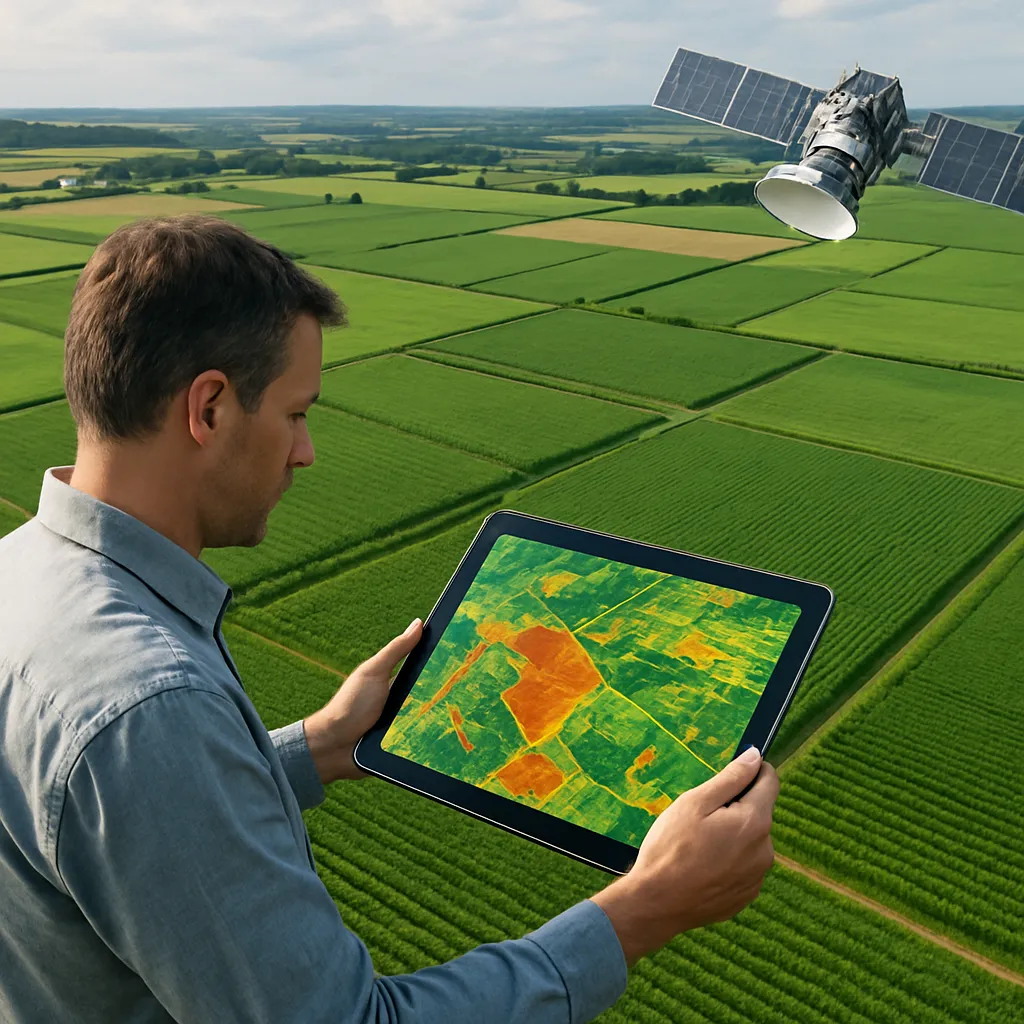
Precision agriculture has emerged as a cornerstone for modern farming. The incorporation of **Internet of Things** sensors, GPS-guided systems, and real-time analytics enables farmers to make data-driven decisions. Equipment such as variable-rate planters and smart sprayers adjust input levels—fertilizers, seeds, pesticides—on the go, optimizing resource allocation and cutting operational costs. Collaborations between tech startups and established OEMs are resulting in user-friendly dashboards that deliver actionable insights, enhancing overall **productivity**.
Automation, Robotics, and Artificial Intelligence
The rise of autonomous tractors and robotic harvesters is redefining labor dynamics on the farm. Advanced **machine vision** and AI-driven algorithms allow machines to navigate fields, identify crop maturity, and perform tasks with minimal human intervention. This shift addresses labor shortages in developed markets while improving precision on tasks like fruit picking and weeding. Research in swarm robotics promises synchronized teams of miniature machines that can distribute workload efficiently across large areas, ushering in a new era of **smart farming**.
Regional Analysis and Growth Opportunities
North America and Europe: Advanced Mechanization
In North America, the United States and Canada lead in adopting high-horsepower tractors and sophisticated harvesters. Robust infrastructure and access to capital drive investments in **cutting-edge** machinery. Europe’s market emphasizes sustainable solutions, with Germany, France, and the Netherlands at the forefront of developing electric and hybrid models. Collaborative research initiatives, such as EU-funded innovation hubs, accelerate the commercialization of energy-efficient equipment, reinforcing the region’s position as a global **technology hub**.
Asia-Pacific and Latin America: Rapid Expansion
The Asia-Pacific region is witnessing the fastest growth rate, fueled by mechanization in paddy, wheat, and vegetable cultivation. Countries like India and China are upgrading fleets with mid-range tractors and self-propelled implements, supported by government-led modernization programs. In Latin America, Brazil and Argentina exhibit strong demand for large-scale harvesters and planters, driven by the expanding soybean and corn industries. Regional OEMs are partnering with global manufacturers to co-develop products that address local soil challenges and crop cycles, enhancing **market resilience**.
Challenges and Future Outlook
Supply Chain Constraints and Raw Material Costs
Volatility in steel, aluminum, and semiconductor prices strains manufacturing margins. Disruptions caused by geopolitical tensions and transport bottlenecks can delay production schedules, impacting product availability. Companies are exploring vertical integration and localized component sourcing to mitigate risks. Additionally, digital twins and predictive maintenance systems are being employed to forecast potential breakdowns and streamline after-sales service networks, safeguarding **operational continuity**.
Opportunities in Sustainable Expansion
As global emphasis on climate-smart agriculture intensifies, there is a profound opportunity for eco-friendly machinery. Solar-powered irrigation pumps, bio-based lubricant solutions, and low-carbon engine alternatives are gaining traction. Collaborative platforms—uniting governments, academia, and industry—are vital for standardizing sustainable practices and scaling **circular economy** initiatives. Investment in training programs for farmers on equipment operation and data literacy will further augment adoption rates, creating a robust ecosystem that supports long-term growth and **agricultural resilience**.