The ongoing revolution in digital commerce has ushered in profound changes across the global food ecosystem. From rural farms to metropolitan tables, online channels are reshaping how agricultural produce travels through the market. This transformation hinges on a synergy between e-commerce platforms, data-driven logistics solutions and consumer expectations that demand freshness, transparency and speed. As technology stitches together growers, distributors and end customers, traditional supply chain models face unprecedented challenges and opportunities. This article delves into the key forces driving this shift, examines emerging innovations and evaluates the implications for stakeholders in the agriculture and food sectors.
The Rise of Online Grocery and Farm-to-Table Integration
Reimagining Consumer Access
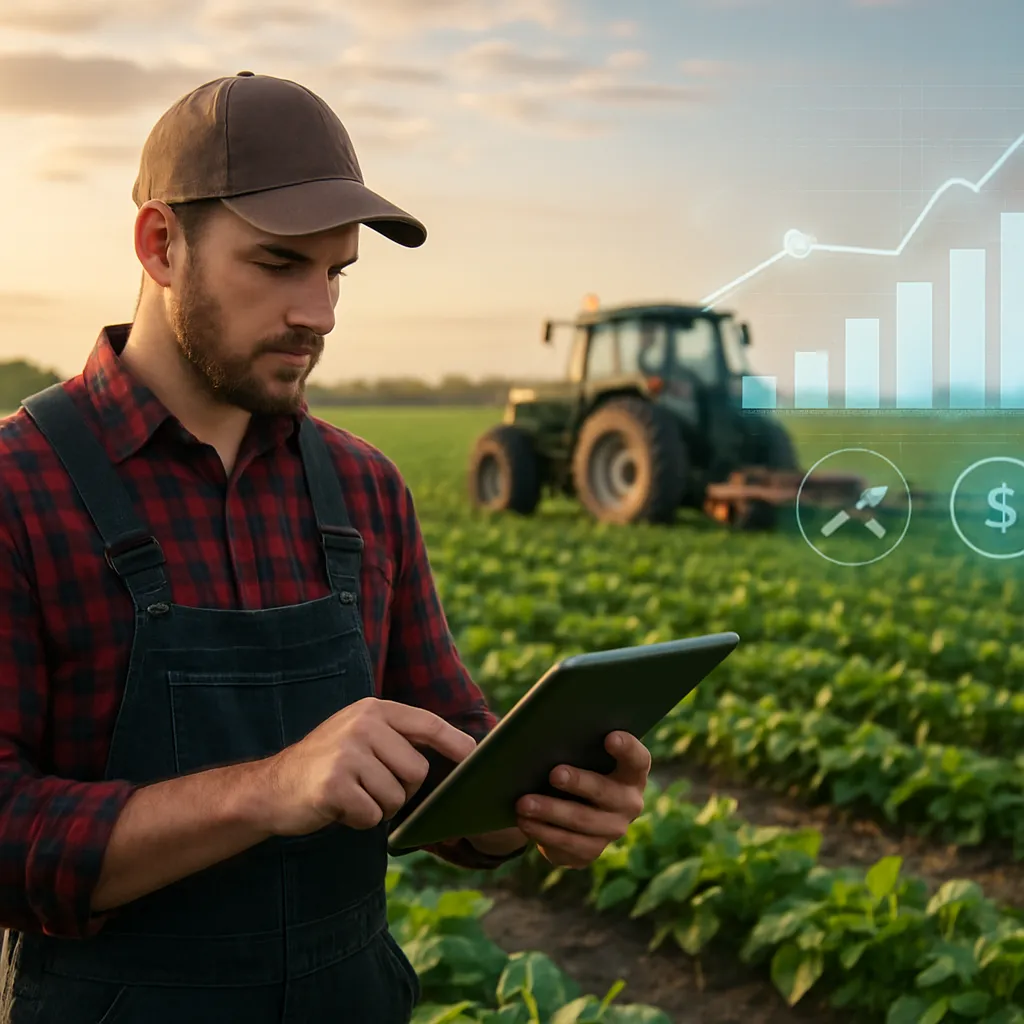
Digital marketplaces now enable urban food buyers to source produce directly from farms thousands of miles away. Specialized apps connect smallholder producers with city markets, bypassing intermediate actors in the classic wholesale network. Such platforms empower farmers to list inventory in real time, set dynamic pricing and receive instant payment in some cases. For shoppers, it translates into unprecedented transparency regarding origin, harvest date and sustainable cultivation practices. As a result, the gap between farm and fork narrows, aligning with health-conscious consumers who value both quality and traceability.
Enhancing Fulfillment Capabilities
Warehouse robotics, route optimization algorithms and cold-chain monitoring systems are converging to redefine last-mile delivery for perishable goods. Companies leverage IoT sensors to track temperature, moisture and handling conditions from packing to doorstep. Automated sorting facilities expedite order consolidation, reducing dwell time and spoilage. Through digital platforms, distribution centers can forecast demand spikes based on local weather, holiday schedules and historical sales data. This granular intelligence minimizes waste while ensuring that delicate items like berries, leafy greens and seafood arrive in optimal condition.
Building Trust through Certification and Transparency
Trust remains paramount when consumers shift from inspecting apples in person to buying sight unseen. Blockchain pilots record every transaction along the distribution chain, creating an immutable ledger for auditing provenance. QR code labels on produce packages reveal each transit milestone, certifications held and safety test results. Subscription models for organic vegetable boxes often incorporate virtual farm tours and grower interviews, deepening customer engagement. This convergence of on-chain records and immersive content fosters brand loyalty and justifies premium pricing strategies in a competitive market.
Supply Chain Innovations Driving Efficiency and Resilience
Smart Warehousing and Automated Handling
State-of-the-art fulfillment centers utilize autonomous guided vehicles and robotic picking arms for high-throughput sorting of fruits, grains and dairy products. Machine vision systems identify blemishes and categorize items by size and ripeness, ensuring consistent quality standards. Through integrated warehouse management solutions, supervisors allocate dynamic storage zones based on real-time inventory forecasts. These smart warehouses can adapt within minutes to changing order volumes, reducing idle capacity and labor costs. As a result, distributors can scale rapidly without compromising service levels or product integrity.
Collaborative Logistics Networks
Cooperative models are emerging where smaller producers share refrigerated trailers, distribution hubs and packing lines. Multi-tenant consolidation reduces environmental footprint and lowers entry barriers for new market entrants. Third-party logistics providers partner with agritech firms to offer end-to-end services, from customs clearance on cross-border shipments to last-kilometer delivery in remote regions. These alliances create a mesh network of transport corridors, enabling swift re-routing in case of disruptions such as natural disasters or geopolitical constraints. By pooling resources, stakeholders improve resilience and optimize asset utilization.
Data-Driven Demand Forecasting
Advanced analytics ingest weather patterns, social media trends and historic point-of-sale data to predict consumer preferences and order volumes. AI-driven models can identify emerging crop diseases or yield shortfalls and proactively alert distributors to adjust procurement. In parallel, dynamic pricing engines respond to real-time supply glut or scarcity, guiding buyers toward alternative products. This level of responsiveness transforms an often fragmented agricultural supply chain into a coherent, adaptive ecosystem. Distributors applying these insights report significant reductions in spoilage rates and improved profitability across volatile market cycles.
Global Market Dynamics and Strategic Outlook
Expanding Cross-Border Trade
Trade liberalization agreements and digital customs portals facilitate faster clearance for perishable exports. Producers in developing economies leverage e-commerce to access premium markets in North America, Europe and Asia-Pacific. Certified compliance modules within online platforms ensure that small-scale growers meet phytosanitary and quality regulations. This creates new revenue streams for communities previously limited to domestic sales. Meanwhile, global distributors diversify their sourcing portfolio to hedge against localized shocks, ensuring a continuous flow of staple commodities and specialty goods.
Sustainability and Ethical Sourcing
Consumers increasingly scrutinize the environmental and social footprint of their food purchases. E-commerce leaders respond by integrating carbon footprint calculators, fair wage indicators and regenerative farming scores into their product listings. Delivery fleets transition to electric vehicles or adopt biofuel blends to reduce greenhouse gas emissions. Packaging innovations feature compostable materials and minimal plastics, reflecting a commitment to circular economy principles. Such sustainability measures resonate with younger demographics, positioning forward-thinking brands as industry pacesetters.
Investing in Rural Digital Infrastructure
To support the upsurge in online trade, rural regions require reliable broadband, cold storage facilities and electrification. Governments collaborate with private enterprises to subsidize satellite internet and solar-powered warehouses. Training programs equip farmers with skills in digital literacy, data management and quality certifications. Microfinancing initiatives underwrite investments in post-harvest technologies, ensuring that produce meets the stringent standards of global e-commerce channels. Empowered with these resources, agricultural communities can transition smoothly into the modern marketplace.
Emerging Technologies on the Horizon
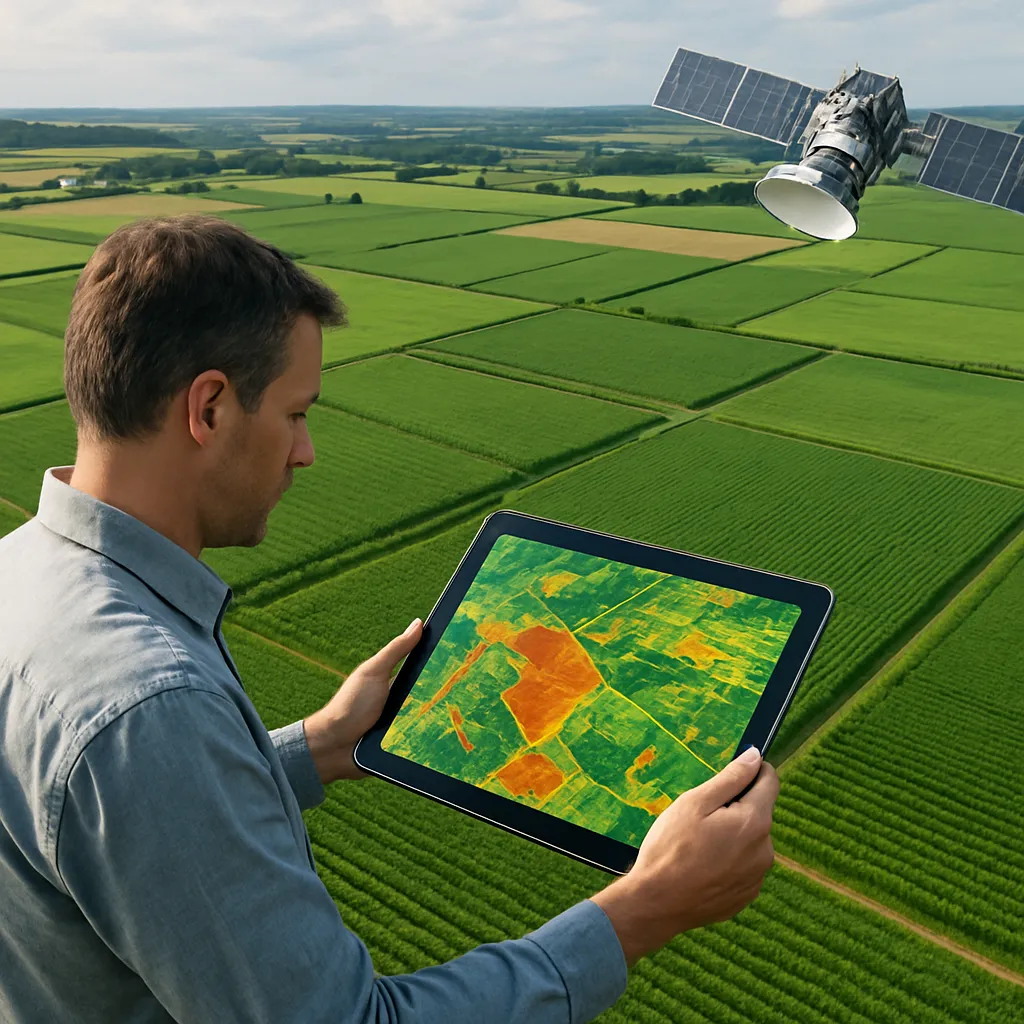
Looking ahead, drone-based aerial mapping will optimize land use and predict yield variations at the parcel level. Vertical farming in urban warehouses may supply hyper-local produce, slashing transit distances. Molecular sensors embedded in packaging could relay spoilage signals directly to buyer apps. As 5G connectivity proliferates, real-time farm-to-fork telemetry will become ubiquitous. These breakthroughs represent not just incremental upgrades but potential paradigm shifts in how food is produced, distributed and consumed on a planetary scale.
Conclusion
- Integration of innovation and automation streamlines traditional agricultural processes
- Global globalization fosters new market opportunities while demanding higher compliance standards
- Emphasis on sustainability and ethical sourcing drives consumer trust and brand differentiation
- Investments in rural digital infrastructure and collaborative networks enhance resilience and inclusivity