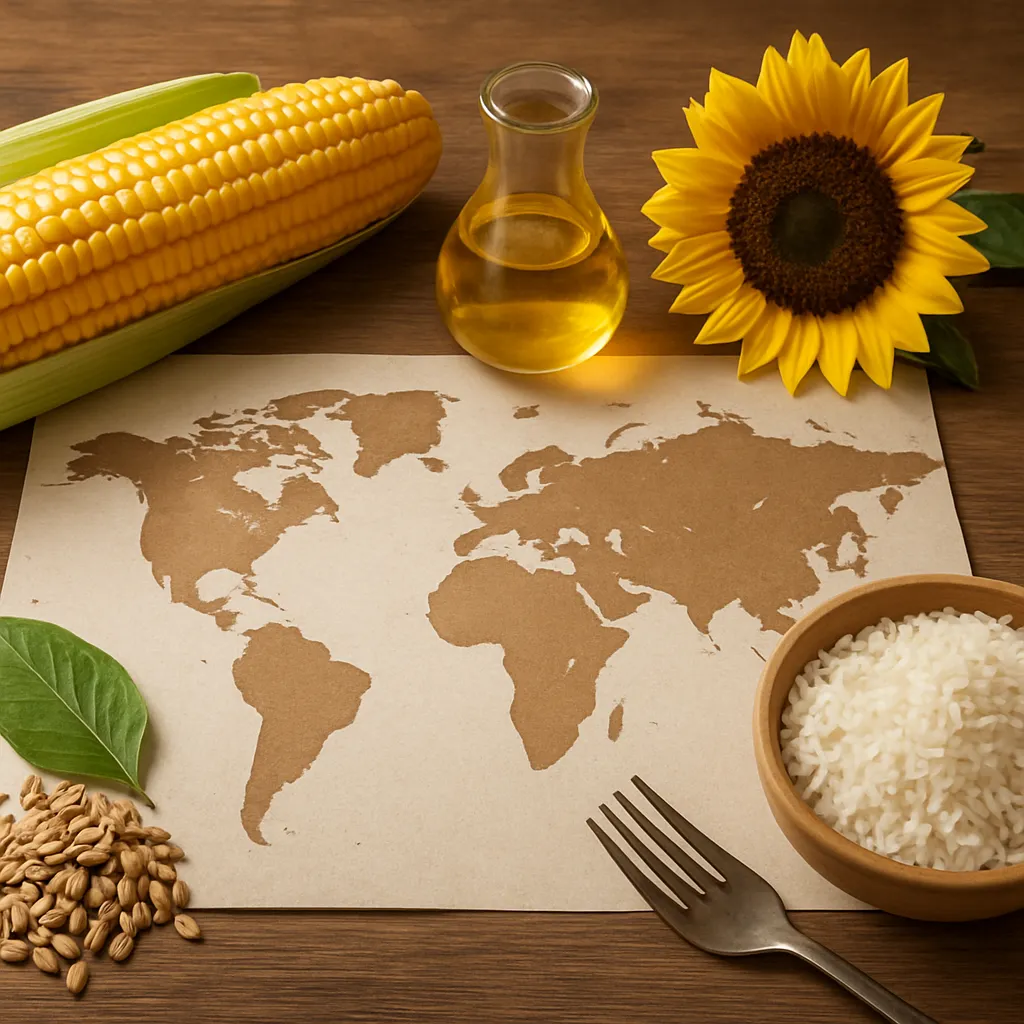
The intricate landscape of global agriculture is shaped by a web of trade agreements that determine the flow of food commodities across borders. Examining these treaties reveals how nations strive to balance domestic priorities with international commitments. This exploration delves into the origins, mechanics, and repercussions of multilateral and bilateral arrangements that define the modern food market.
Historical Evolution of Food Trade Treaties
The trajectory of international food trade began in earnest after World War II, with the establishment of the General Agreement on Tariffs and Trade (GATT). Through successive negotiation rounds, member states reduced tariffs and established norms for fair exchange. The creation of the World Trade Organization (WTO) in 1995 solidified a multilateral framework, emphasizing the reduction of trade barriers and the regulation of subsidies.
Key milestone events include:
- 1947: Signing of the original GATT, setting the stage for future globalization.
- 1994: Uruguay Round concludes, integrating agriculture under WTO rules.
- 2001: Doha Development Agenda launches, seeking to address inequality in exports and imports rules.
- 21st century: Surge in bilateral and regional pacts, from the Trans-Pacific Partnership (TPP) to the African Continental Free Trade Area (AfCFTA).
These agreements gradually introduced disciplines on domestic support, market access, and export regulations, reshaping national policies and corporate strategies.
Key Components and Mechanisms
Modern treaties incorporate a variety of provisions designed to facilitate agricultural commerce while safeguarding local producers. Among the most significant are:
- Tariff Schedules: Harmonized systems classify products, assign duties, and define thresholds for duty-free trade.
- Domestic Support Ceilings: Limits on public spending for price support and direct payments, aiming to prevent market distortion.
- Quotas and Tariff Rate Quotas (TRQs): Hybrid instruments that allow a set quantity of goods at a reduced duty, with higher duties beyond the threshold.
- Sanitary and Phytosanitary (SPS) Standards: Measures to protect human, animal, and plant life, requiring scientific justification.
- Technical Barriers to Trade (TBT): Regulations ensuring product quality and labeling without arbitrary discrimination.
Negotiation processes often involve rounds of complex discussions, where countries leverage market size and domestic constituencies. Transparency initiatives push for transparency in tariff bindings and dispute settlements, though confidentiality clauses sometimes limit public scrutiny.
Impacts on the Global Agriculture Market
The implementation of trade agreements has profound effects on producers, consumers, and ecosystems:
Market Expansion and Price Signals
By lowering barriers, agreements stimulate cross-border trade, allowing producers in emerging economies to access lucrative markets. Consumers benefit from diversified supplies and competitive pricing. However, price volatility can increase, as global commodity exchanges become more interconnected. Efficient supply chains are essential for buffering shocks and ensuring timely distribution.
Shifts in Production Patterns
Comparative advantage leads nations to specialize in crops where they hold productivity edge. For example, Brazil’s soybean sector and New Zealand’s dairy industry expanded rapidly under liberalized regimes. These shifts can drive deforestation or overuse of inputs, raising concerns about sustainability.
Role of Subsidies and Distortions
Despite disciplines, many developed countries maintain significant support for farmers. Such measures can depress world prices, disadvantaging unsubsidized producers. Dispute panels within the WTO occasionally adjudicate on illegal or excessive subsidies, but rulings may be delayed or circumvented.
Challenges and Future Trajectories
The next generation of agreements faces pressing issues that extend beyond tariff cuts:
- Digital Trade and Traceability: Blockchain and IoT solutions promise to enhance supply chain visibility, but require international interoperability.
- Environmental Clauses: Growing momentum for including carbon footprints and deforestation metrics as part of treaty obligations.
- Smallholder Integration: Crafting special provisions to protect livelihoods in rural areas, ensuring fair access to markets.
- Food Security and Resilience: Balancing open trade with strategic reserve requirements to withstand crises.
Negotiators must reconcile diverse objectives, from promoting free trade to enforcing social and ecological safeguards. The dynamic interplay between public policy, corporate strategy, and civil society advocacy will shape the future of global food commerce.