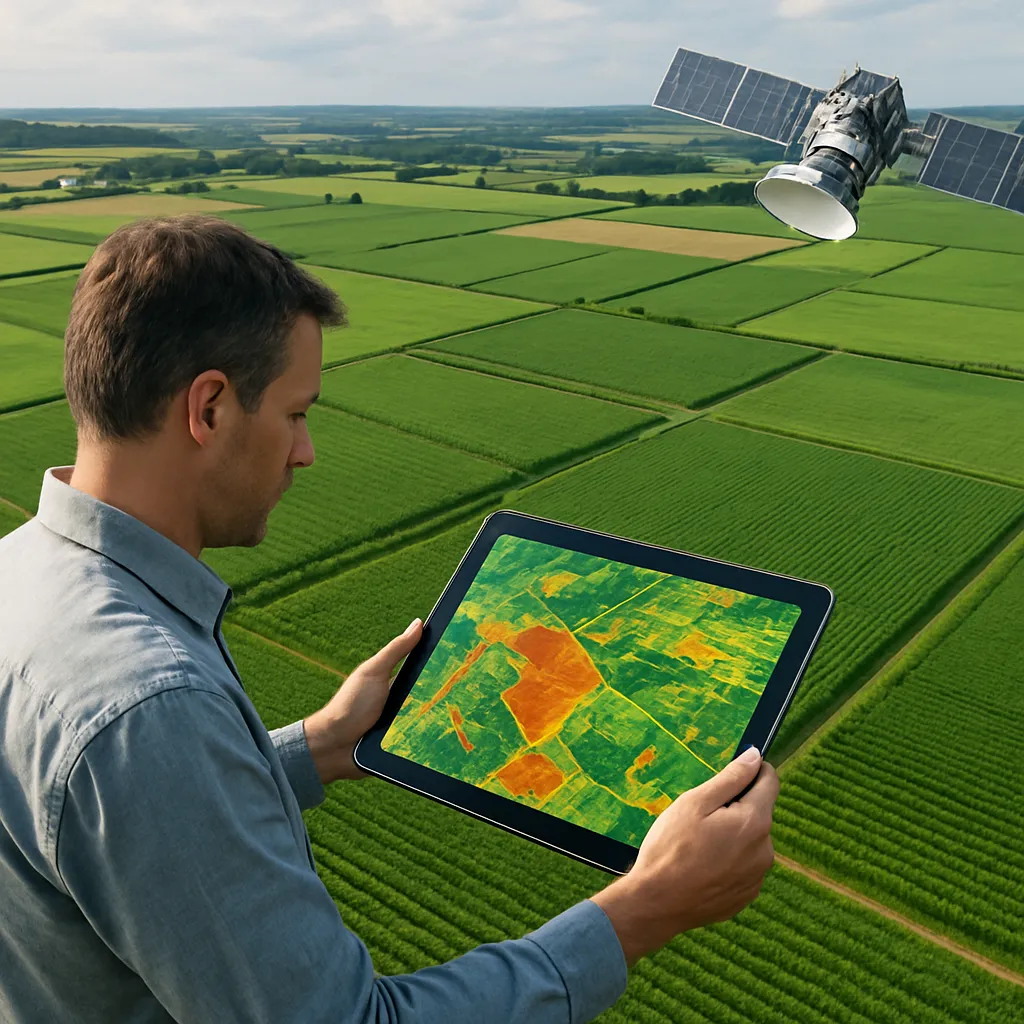
As global agriculture shifts towards environmentally conscious production, a groundbreaking mechanism has emerged that offers both ecological benefits and financial opportunities. By transforming on-farm practices into tradeable assets, carbon farming credits are redefining how growers interact with the broader marketplace and unlocking fresh revenue channels. This article examines the principles, protocols, and economic implications of these credits in the context of the ever-evolving global agricultural sector.
Creating Value: The Rise of Carbon Farming Credits
Over the past decade, a convergence of policy incentives, corporate climate goals, and consumer demand has propelled carbon farming credits into the spotlight. Unlike traditional commodities, these credits represent quantified reductions or removals of greenhouse gases achieved through improved land management. By adopting practices like cover cropping, reduced tillage, or agroforestry, farmers can sequester carbon in soil and biomass. Each metric ton of verified carbon uptake becomes a credit that can be sold to entities seeking to offset unavoidable emissions.
Key drivers behind this movement include:
- Rising corporate net-zero commitments and voluntary offsetting programs.
- Governmental policies rewarding sustainability and low-carbon agriculture.
- Innovations in remote sensing and data analytics that enhance measurement accuracy.
What was once seen as an experimental niche is now recognized as a multi-billion-dollar opportunity. The integration of blockchain platforms and digital registries further cements the integrity of this emerging asset class, enabling seamless transactions across borders.
Mechanisms and Protocols: From Soil to Marketplace
Transforming on-farm carbon sequestration into tradeable units requires rigorous methodologies. Established protocols dictate how practices are selected, monitored, and verified, ensuring that each carbon credit corresponds to a genuine and additional reduction in atmospheric CO2 levels.
Measurement and Monitoring
Accurate quantification begins with baseline assessments of soil carbon stocks. Advanced satellite imagery, coupled with in-field sampling, creates a robust dataset that tracks changes over time. Continuous monitoring is essential to capture seasonal variations and long-term trends.
Verification and Certification
Third-party auditors play a crucial role in validating claimed sequestration. They review practice implementation records, inspect field sites, and confirm that the carbon uptake exceeds what would have occurred under business-as-usual scenarios. This verification process upholds market integrity and fosters buyer confidence.
Registry and Trading Platforms
Once verified, credits are registered in secure digital ledgers. Buyers—including corporations, financial institutions, and governments—purchase these credits to neutralize emissions. Transparent registry systems track ownership changes, prevent double-counting, and facilitate compliance reporting.
Economic Benefits: New Income Streams for Agricultural Producers
Beyond environmental stewardship, carbon farming credits deliver tangible financial rewards. For many growers, these programs enable:
- Diversification of revenue sources, reducing reliance on commodity price fluctuations.
- Access to premium markets through eco-labels and sustainability branding.
- Long-term cost savings via improved soil structure, water retention, and nutrient cycling.
Consider a mid-size grain operation that implements no-till practices and integrates legumes as cover crops. As soil organic matter increases, so does the volume of sequestered carbon. Selling credits generated by these changes can provide a stable payment—often spanning 10 to 20 years—that helps offset equipment or planting expenses. This resilience against market volatility is especially valuable in regions prone to erratic weather patterns.
Moreover, programs often offer upfront support for participating farmers, including training workshops, technical assistance, and cost-sharing for monitoring tools. Such incentives lower barriers to adoption and cultivate a collaborative ecosystem of practitioners, agronomists, and service providers.
Market Dynamics and Future Directions in the Global Arena
As awareness of carbon farming expands, so too does competition among registries, certification bodies, and technology platforms. Key trends shaping the market’s trajectory include:
- Emergence of unified international standards to harmonize credit quality across jurisdictions.
- Increased participation by smallholder farmers in developing regions, supported by mobile-based verification tools.
- Integration of co-benefit metrics—such as biodiversity enhancement and water quality improvements—into credit valuations.
- Growth of blended financing models that combine public grants, private investments, and offset revenues.
These developments promise to drive down transaction costs and amplify the reach of carbon farming initiatives. Corporations with ambitious climate targets seek long-term partnerships with agricultural producers, recognizing that local action on the ground underpins credible net-zero strategies. In parallel, digital innovations—like AI-driven soil sensors and drone-based imaging—enhance the granularity and trustworthiness of carbon accounting.
Looking forward, multi-stakeholder collaborations will be critical. Governments, NGOs, agribusinesses, and research institutions must align incentives to ensure equitable benefit-sharing and avoid unintended social or environmental trade-offs. By embedding carbon farming credits within broader frameworks of regenerative agriculture, the sector can advance holistic goals of climate mitigation, rural development, and biodiversity conservation.