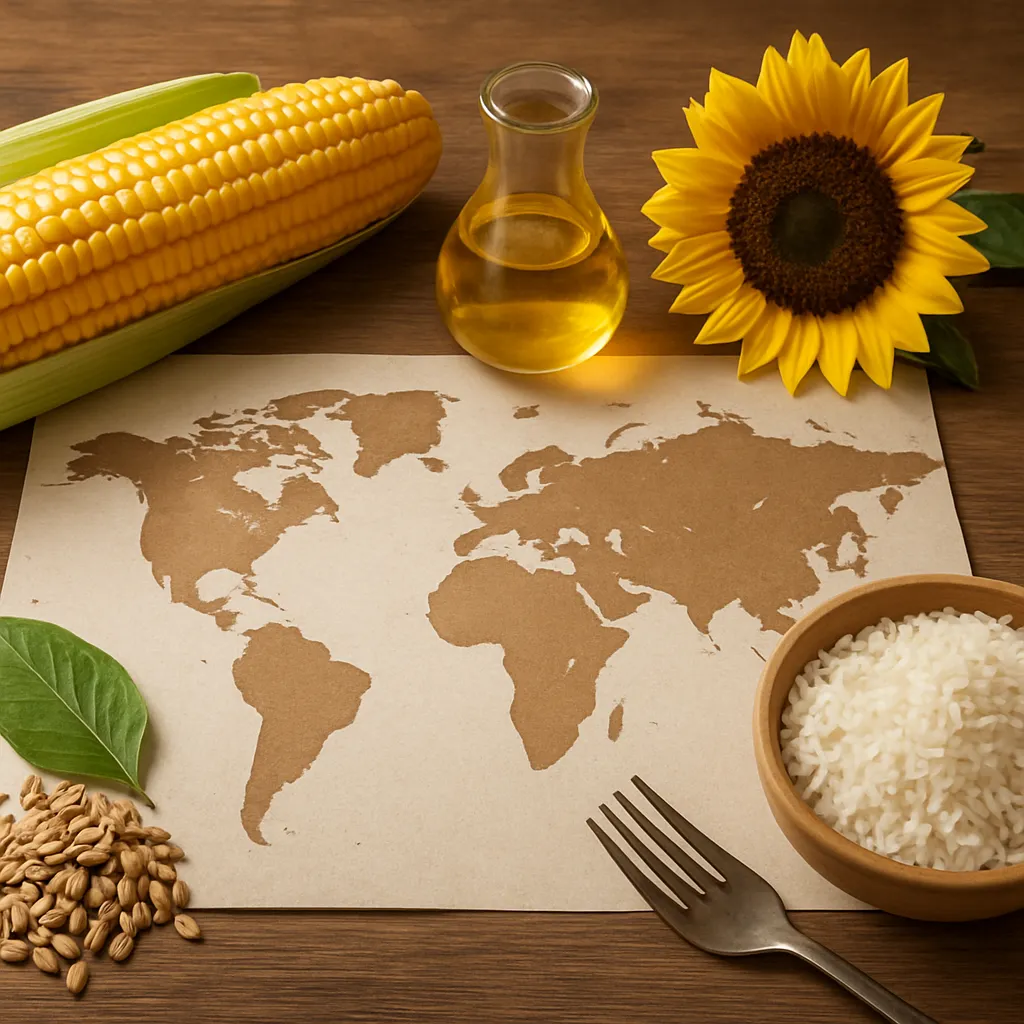
The accelerating transformation of agricultural landscapes across continents has profound implications for global food supply chains, environmental health, and rural livelihoods. As nations grapple with burgeoning populations and shifting dietary demands, the patterns of land allocation for crops, livestock, and other purposes are evolving at an unprecedented pace. This examination of land use dynamics and ensuing effects on food production explores the interplay between market forces, technological innovation, and sustainability imperatives.
Changing Patterns of Global Land Use
Over the past five decades, more than three billion hectares have been converted to agricultural use, reshaping ecosystems and altering the balance of greenhouse gas emissions. Regions like South America and Sub-Saharan Africa have witnessed significant expansion of croplands and pastures, driven largely by the rising demand for commodities such as soy, palm oil, and beef. Meanwhile, temperate zones in North America and Europe have stabilized or even seen contraction in agricultural area due to urbanization and farmland consolidation.
Drivers Behind Land Expansion
- Population Growth: The global population’s surge to nearly 8 billion intensifies the need for calories and protein sources.
- Dietary Shifts: Rising incomes in emerging economies fuel greater consumption of meat and dairy, requiring more land per calorie than plant-based diets.
- Commodity Prices: Fluctuating global prices incentivize farmers to bring new land under cultivation when returns are high.
- Policy Frameworks: Subsidies and land tenure laws can either encourage sustainable intensification or spur further expansion into fragile ecosystems.
Regional Variations and Land-Use Intensity
While the Amazon basin’s deforestation for cattle ranching and soy cultivation remains a pressing concern, other areas illustrate contrasting trends. In Europe, for instance, land use intensity has increased through precision farming and mechanization, yielding higher outputs per hectare. In East Asia, terraced agriculture and reclaiming marginal lands have partially offset rapid urban encroachment. Each regional context highlights a unique combination of climate constraints, agricultural technology, and socio-economic pressures.
Impact on Food Production and Security
Land use decisions directly influence the capacity to meet global food requirements. As arable land per capita declines, raising crop yields and improving resource efficiency are paramount. The nexus of land management, water availability, and nutrient cycles dictates the resilience of food systems in the face of climate variability.
Yield Gaps and Potential
- Agronomic Practices: Adoption of improved seeds, conservation tillage, and integrated pest management can significantly close yield gaps in developing regions.
- Irrigation Efficiency: With agriculture accounting for nearly 70% of freshwater withdrawals, enhancing water use efficiency is critical for both yield gains and ecosystem preservation.
- Soil Health: Maintaining soil organic matter through crop rotations and cover cropping supports long-term productivity while mitigating erosion.
Climate Change and Crop Viability
Rising temperatures, shifting precipitation patterns, and extreme weather events pose a dual challenge: some regions may experience longer growing seasons, whereas others face heightened risks of droughts and floods. This spatial variability necessitates adaptive land management strategies, including relocating certain crop systems to more climatically suitable zones and diversifying cropping portfolios to buffer against yield fluctuations.
Food Security Risks
Reduced access to productive land and increased market volatility can lead to spikes in food prices, disproportionately affecting low-income populations. Strengthening local production systems and reducing dependence on imported staple foods are essential measures for bolstering resilience. However, achieving equitable food distribution requires policy coordination, investment in rural infrastructure, and improved market access for smallholder farmers.
Market Dynamics and Sustainable Strategies
The global agricultural market sits at the confluence of supply-side limitations and demand-side pressures. Investors, corporations, and governments are increasingly evaluating land use through the lens of sustainability and risk management, recognizing that unsustainable practices threaten long-term productivity and corporate reputations.
Corporate Commitments and Certification
- Zero-Deforestation Pledges: Major commodity buyers have committed to sourcing from certified non-deforested lands, influencing supply chain choices and land clearing rates.
- Roundtable Certifications: Programs like the Roundtable on Sustainable Palm Oil (RSPO) and the Better Cotton Initiative (BCI) aim to standardize practices that balance yield, social equity, and environmental conservation.
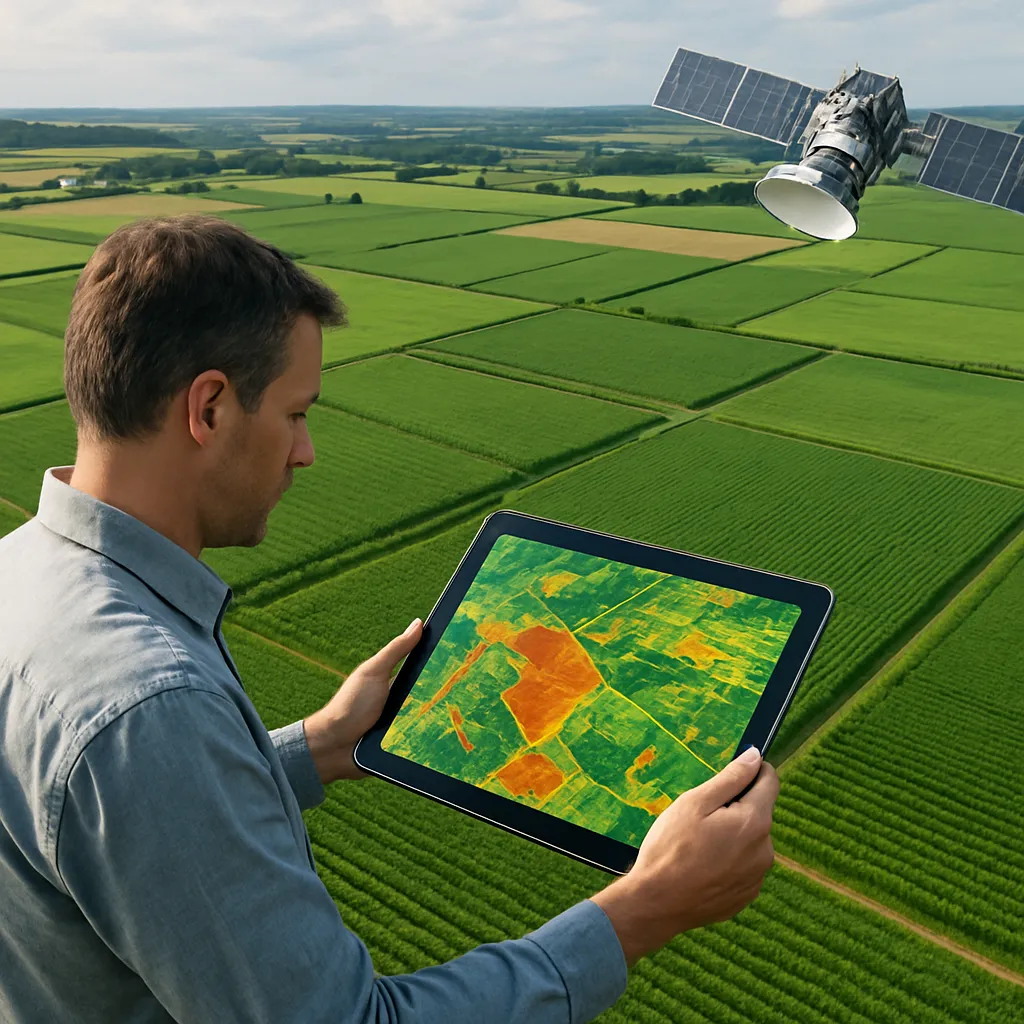
- Traceability Technologies: Blockchain and remote sensing tools enhance transparency, enabling stakeholders to verify land origin and farming practices in near real-time.
Policy Instruments and Incentives
Governments play a pivotal role in shaping land use outcomes. Payment for ecosystem services (PES) schemes reward landowners for maintaining carbon-rich forests or restoring degraded land. Conversely, perverse subsidies that lower the cost of land conversion can accelerate habitat loss. Aligning fiscal policies with sustainability goals—such as tax breaks for regenerative agriculture or penalties for excess fertilizer use—can help recalibrate incentives.
Emerging Trends and Innovations
- Agroforestry Systems: Integrating trees with crop and livestock production improves biodiversity, enhances carbon sequestration, and diversifies farmer incomes.
- Urban Agriculture: Vertical farms and rooftop gardens offer innovations that reduce the land footprint of fresh produce while improving urban food access.
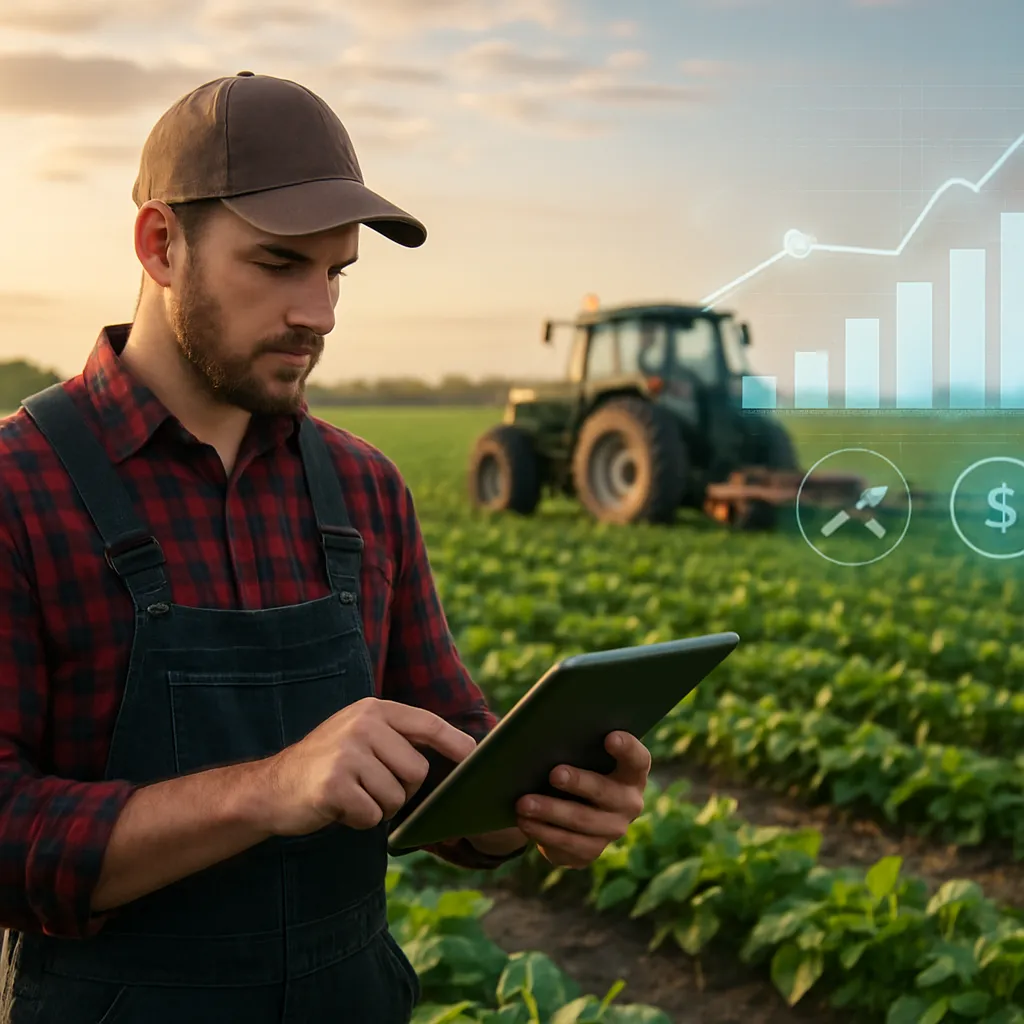
- Digital Platforms: Data-driven decision support tools enable farmers to optimize land allocation, fertilizer application, and irrigation scheduling, boosting both profitability and environmental stewardship.
Addressing the complexities of global land use and food production requires collaborative action across sectors. By deploying targeted policies, harnessing technological advances, and promoting market-based incentives for conservation, stakeholders can navigate the delicate balance between feeding a growing population and preserving the planet’s natural capital.