The global agricultural sector is undergoing a profound transformation driven by the integration of advanced technologies into traditional farming practices. As global food demand continues to climb, farmers and agribusinesses are increasingly embracing data-driven solutions to enhance productivity, improve resource management, and ensure long-term sustainability. This article explores the latest statistics on smart farming adoption, examines geographical trends, and evaluates the challenges and future directions shaping the industry.
Market Dynamics and Growth Drivers
Expanding Market Value
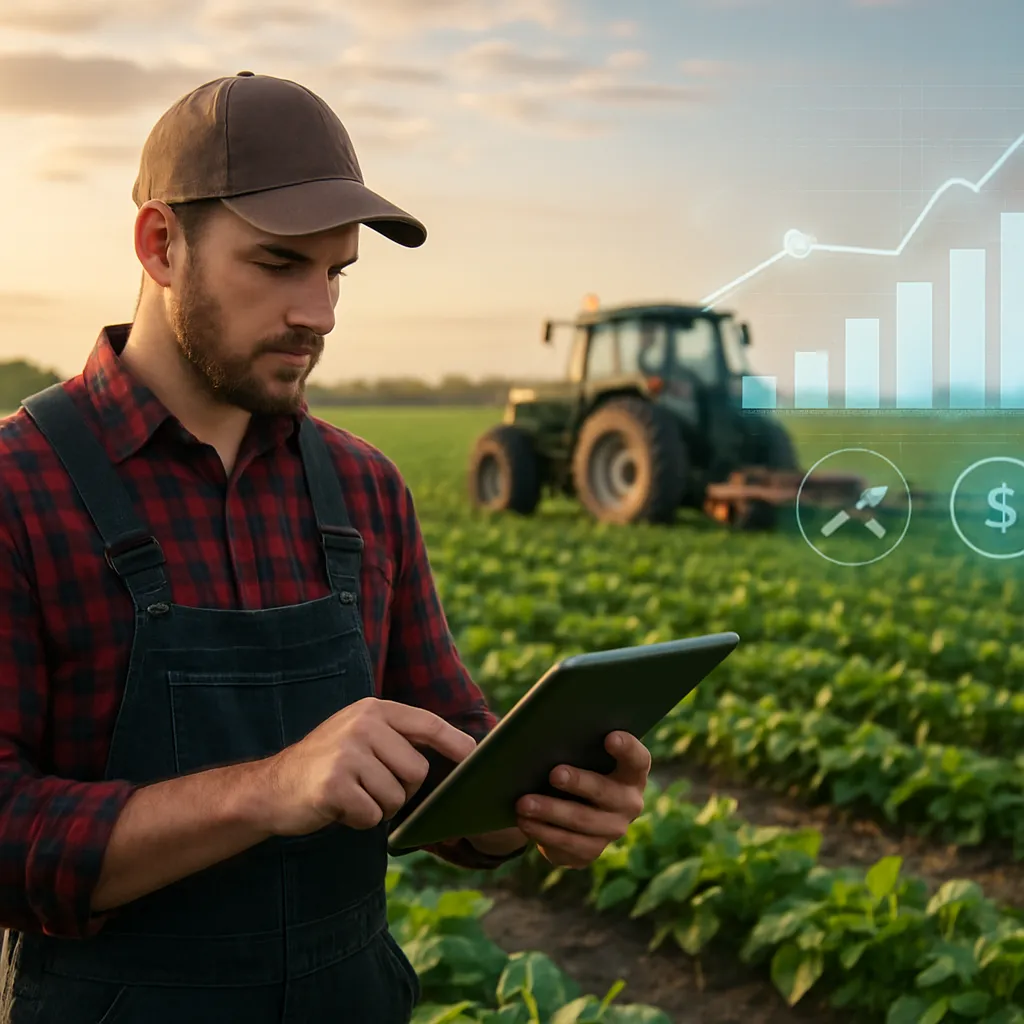
The global smart farming market has witnessed exponential growth over the past decade. According to recent market intelligence, its valuation surpassed $14 billion in 2023, and projections estimate a compound annual growth rate (CAGR) of nearly 14% through 2030. This surge is fueled by a convergence of factors, including government incentives, private investments, and heightened consumer awareness about food traceability and quality.
Key Growth Catalysts
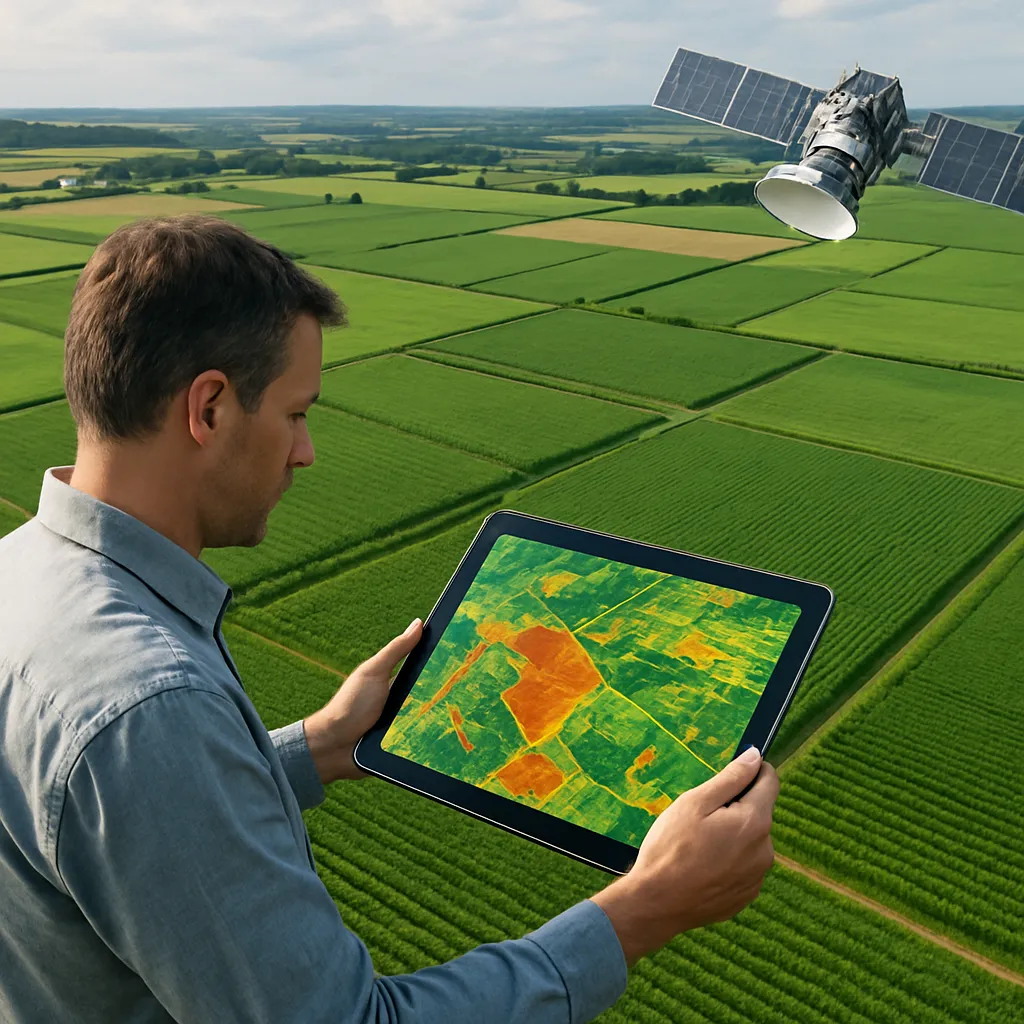
- Rising adoption of IoT devices and cloud-based analytics to monitor crop health in real time.
- Increasing pressure to optimize water usage amid global water scarcity concerns.
- Growing popularity of precision agriculture techniques that minimize input costs and environmental impact.
- Deployment of automation tools, including drones and autonomous tractors, to address labor shortages.
- Integration of big data platforms that enable predictive modeling for weather events and pest outbreaks.
Regional Adoption Patterns and Statistics
North America and Europe as Early Adopters
In North America, smart farming adoption rates exceed 60% among large-scale producers, driven by robust IT infrastructure and supportive policy frameworks. European countries, particularly Germany and the Netherlands, have similarly high penetration, with a focus on reducing carbon footprints and enhancing sustainability.
Emerging Markets in Asia-Pacific
The Asia-Pacific region represents the fastest-growing segment. Nations such as China, India, and Australia are investing heavily in digital agriculture. China, for example, aims to deploy AI-driven monitoring systems across 40% of its farmland by 2025. India’s emphasis on farmer empowerment has led to smartphone-based advisory services reaching over 20 million smallholders.
Statistical Highlights by Region
- North America: 60% adoption; average farm yield increase of 12% since 2018.
- Europe: 55% adoption; water usage reduced by 20% on precision-irrigated farms.
- Asia-Pacific: 45% adoption; expected to reach 70% by 2030.
- Latin America: 30% adoption; strong growth in Brazil and Argentina.
- Africa: 15% adoption; pilots underway for solar-powered sensors in East Africa.
Technological Innovations, Challenges, and Future Outlook
Emerging Technologies
Beyond primary sensors and GPS guidance, the next wave of innovation includes blockchain for supply chain transparency and edge computing to reduce data latency. Researchers are also experimenting with nanotechnology to develop self-healing coatings on equipment, enhancing durability and reducing maintenance costs.
Major Technological Trends
- Advances in connectivity: 5G networks enabling real-time remote control of machinery.
- Enhanced efficiency: robotics reducing labor requirements by up to 30%.
- Machine learning algorithms predicting optimal planting windows based on multi-year historical data.
- Smart greenhouses using combined CO₂ enrichment and LED light spectra for year-round cultivation.
- Integrating renewable energy sources with automated feeding and irrigation systems in livestock farming.
Challenges to Wider Adoption
Despite promising advances, the transition to smart farming faces several hurdles:
- High initial investment costs deter small and medium enterprises from adopting advanced tools.
- Lack of digital literacy among traditional farmers slows down technology uptake.
- Data privacy concerns and unclear regulations on agricultural data ownership.
- Interoperability issues across devices from different manufacturers.
- Infrastructure gaps in rural areas limit access to reliable broadband connections.
Strategies to Overcome Barriers
Stakeholders are pursuing multiple strategies to address these issues. Public-private partnerships are funding training programs and subsidizing sensor equipment. Standardization bodies are working to create open APIs that ensure innovation can flourish without vendor lock-in. International development agencies are investing in rural broadband expansion to enhance connectivity.
Future Prospects and Opportunities
By 2030, the smart farming market could exceed $40 billion as novel applications emerge in vertical farming, aquaponics, and bioinformatics. Integration with healthcare and nutrition platforms may enable personalized food production tailored to regional dietary deficiencies. The combination of biotechnology and digital tools promises to unlock new levels of yield and resilience against climate change.
Potential Impact on Global Food Security
Projected increases in productivity and resource efficiency will be crucial for feeding an estimated 9.7 billion people by mid-century. Smart farming offers a path to reduce post-harvest losses, optimize supply chains, and bolster economic resilience in vulnerable communities. Advancements in sensor miniaturization and low-power networking will extend benefits to previously underserved regions, narrowing the digital divide in agriculture.
As the sector evolves, collaboration across governments, technology providers, and farming communities will be essential to realize the full potential of smart agriculture. The synergy of profitability, environmental stewardship, and social equity positions smart farming as a cornerstone of the next agricultural revolution.